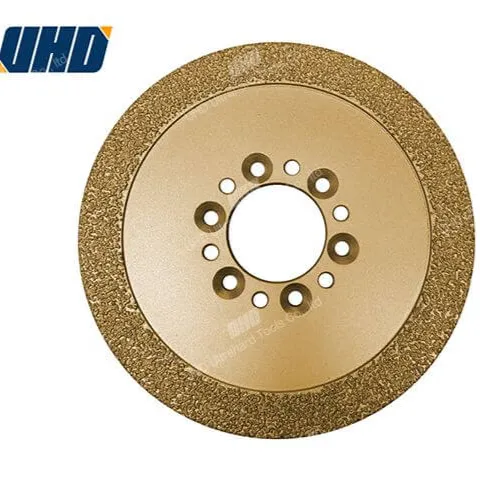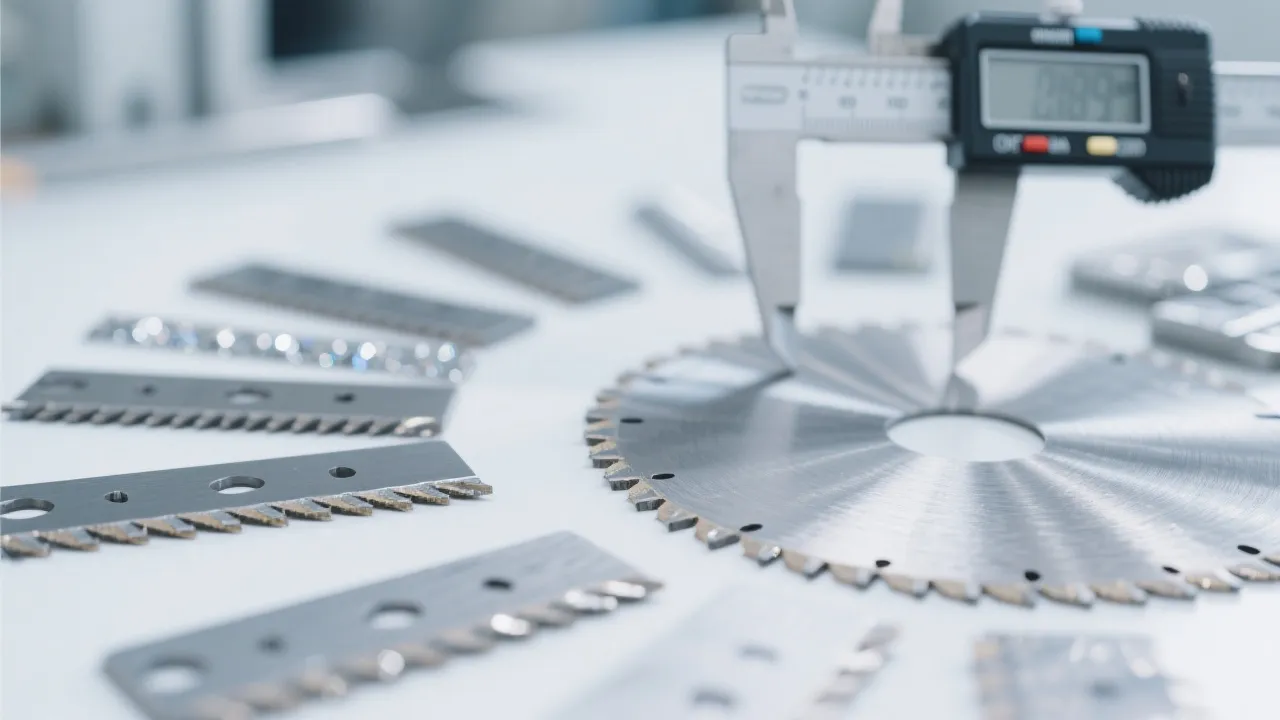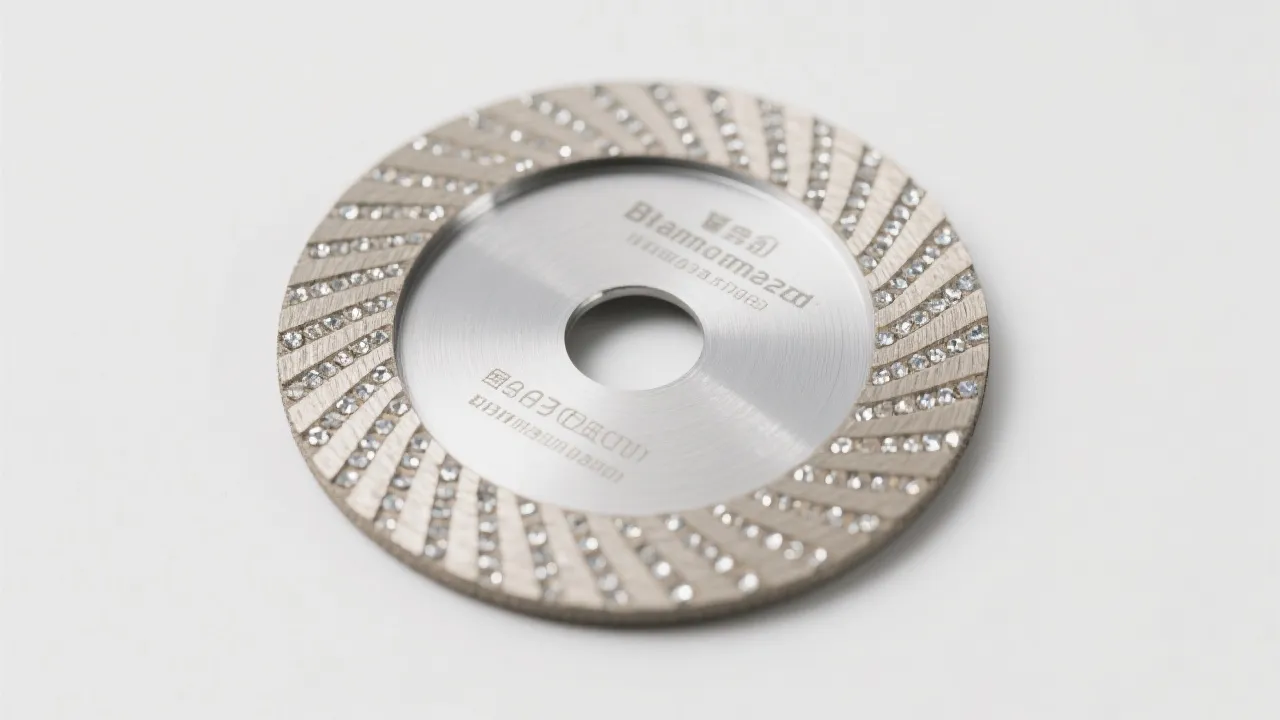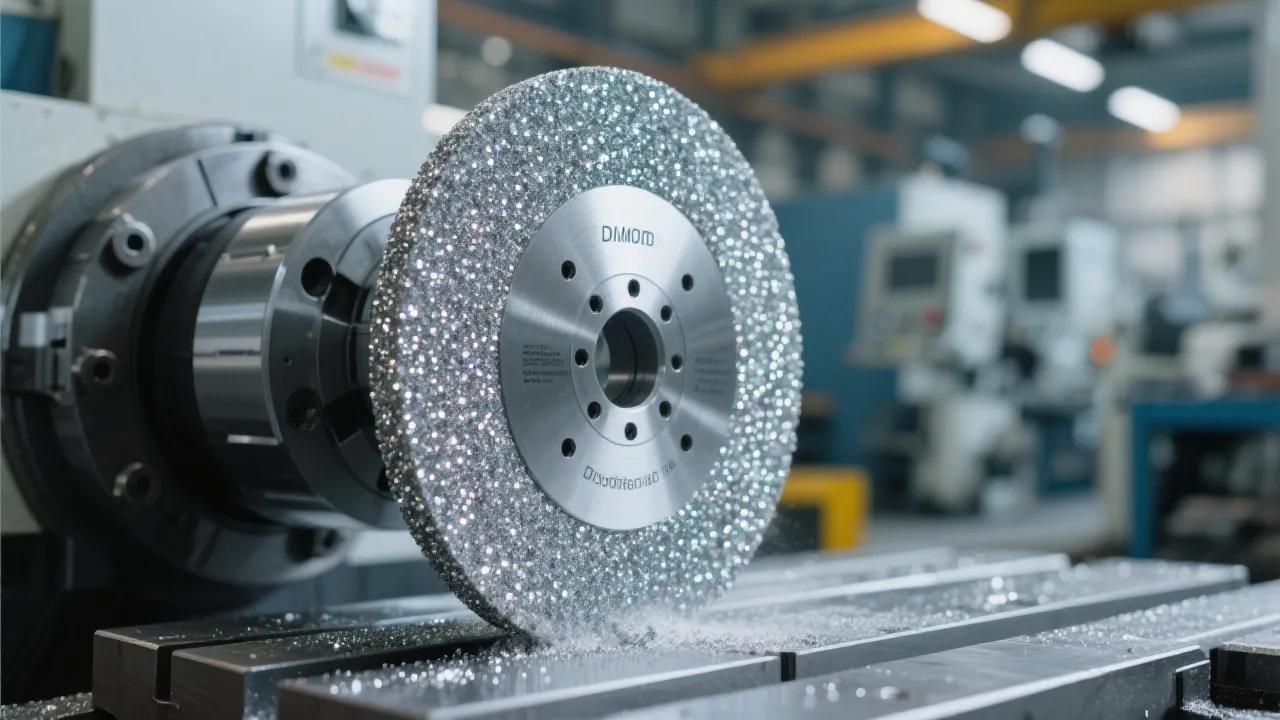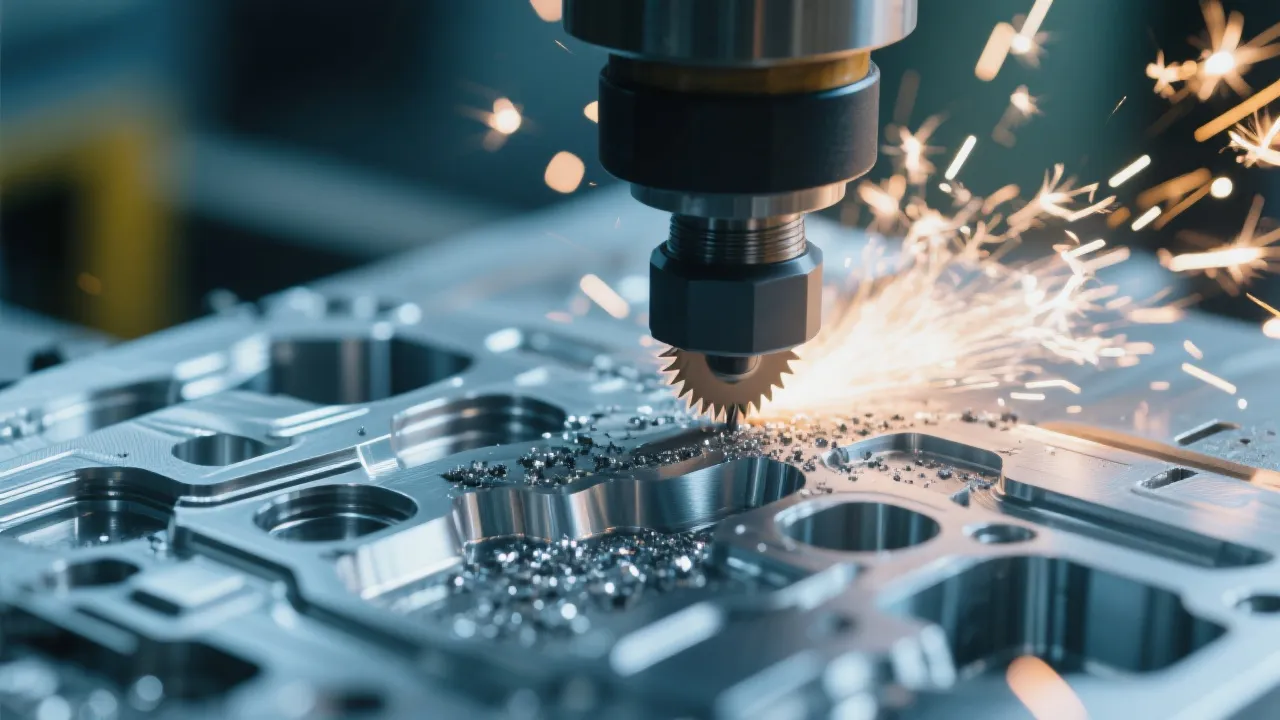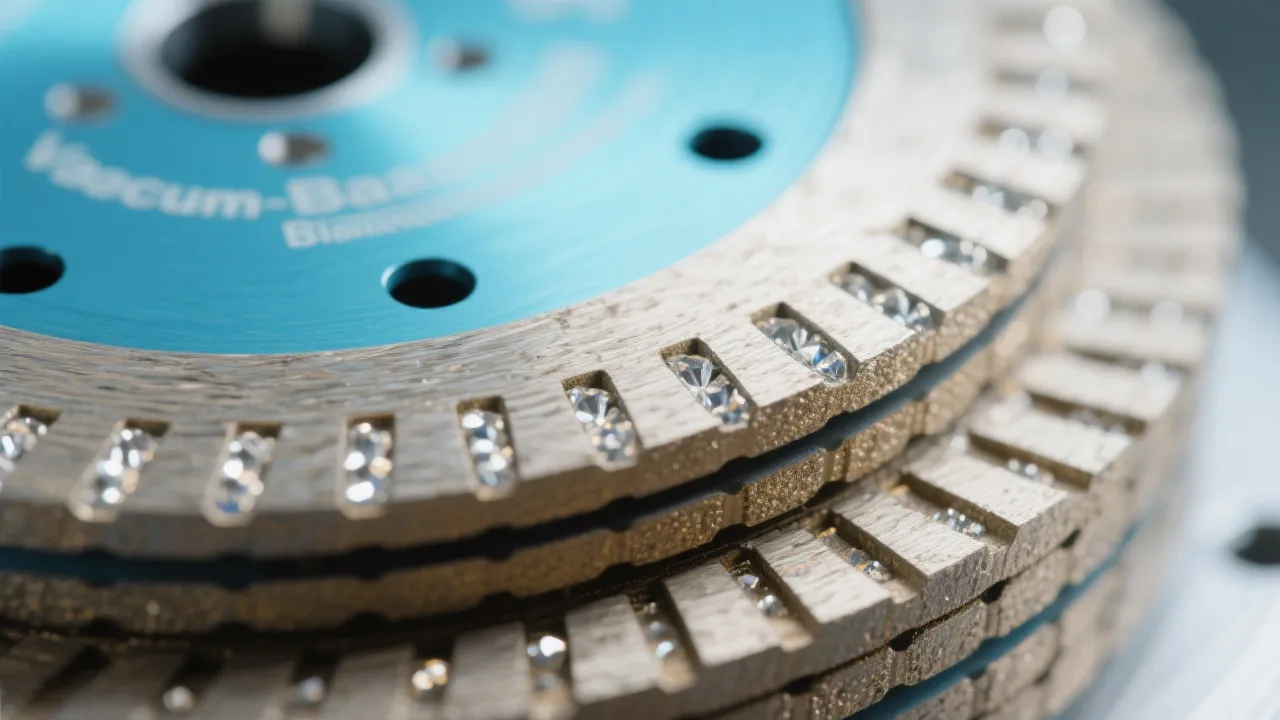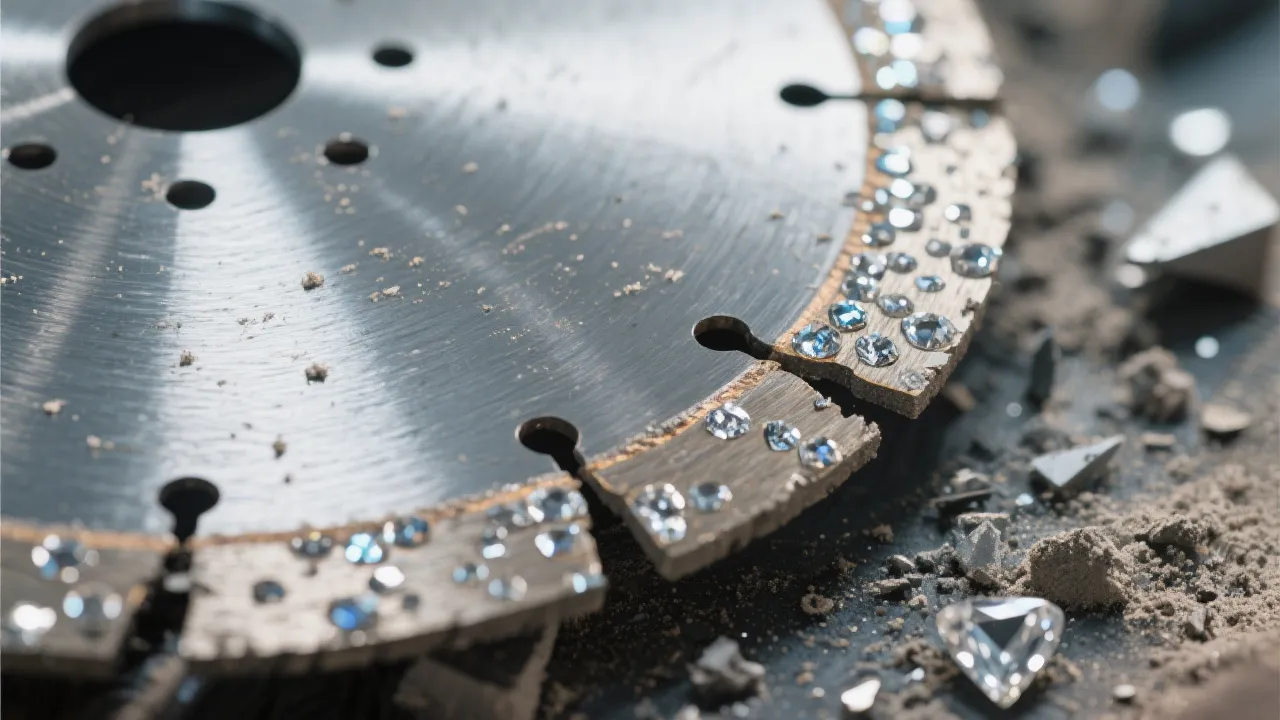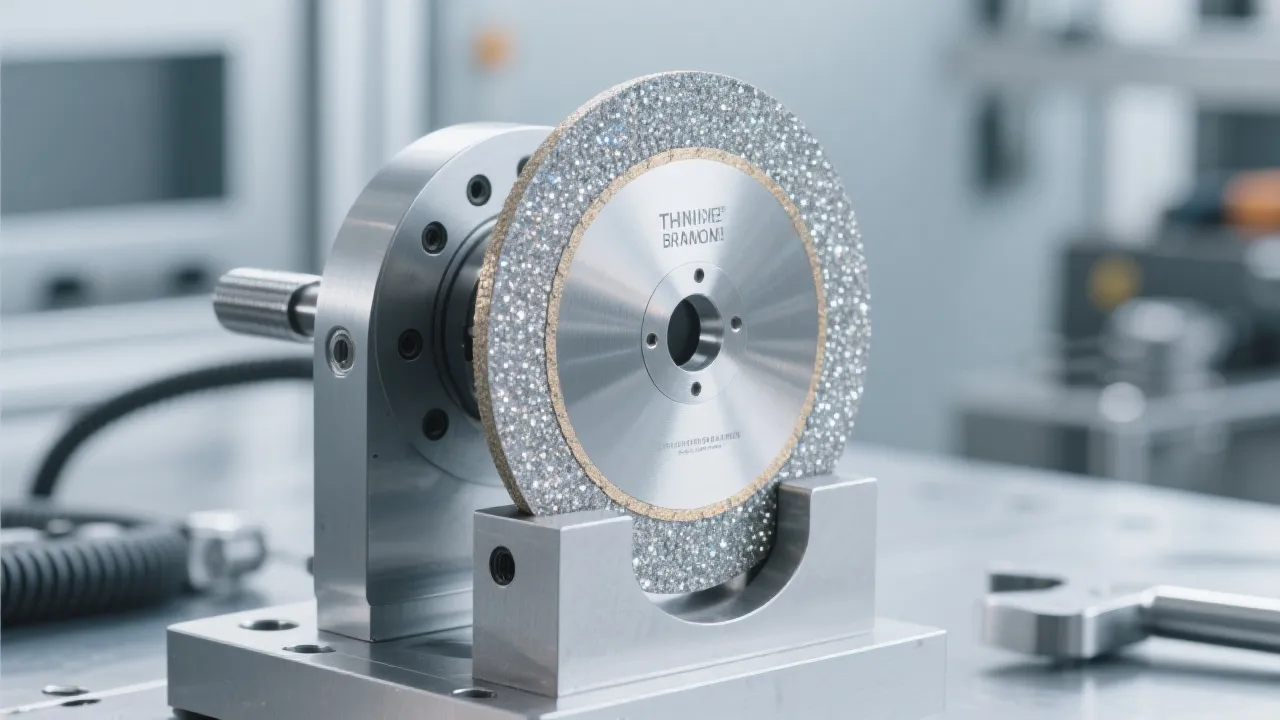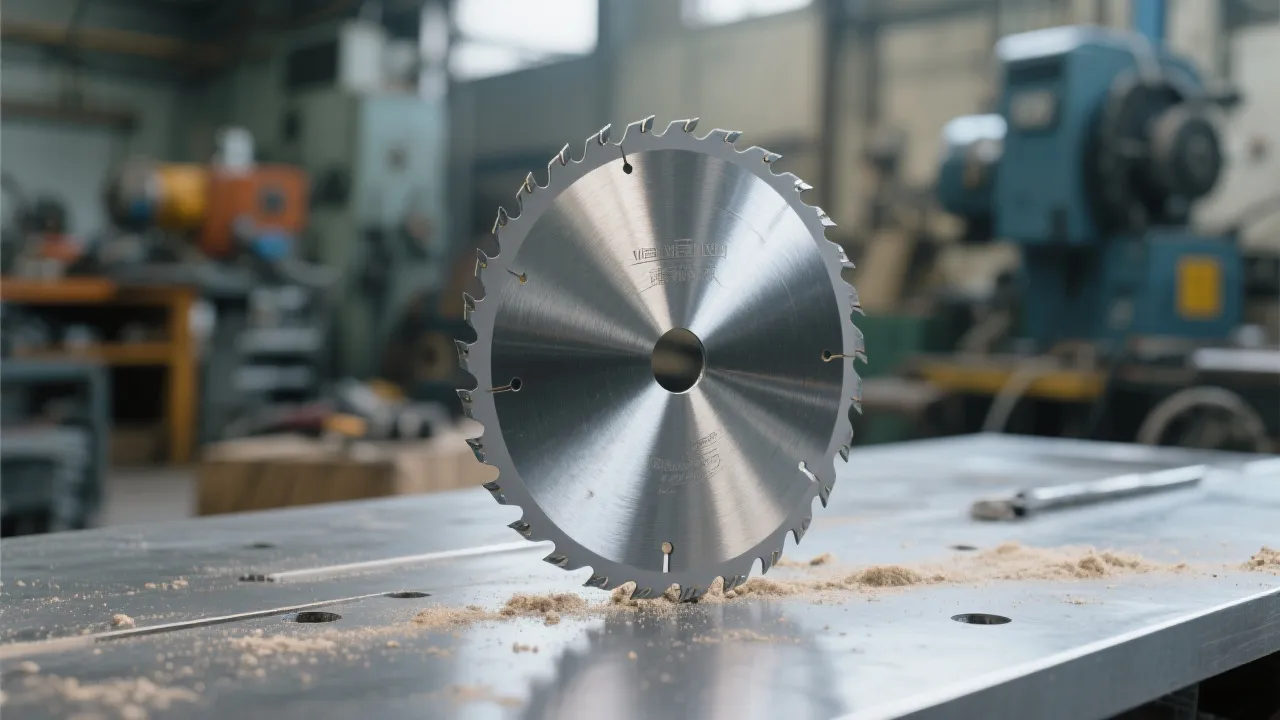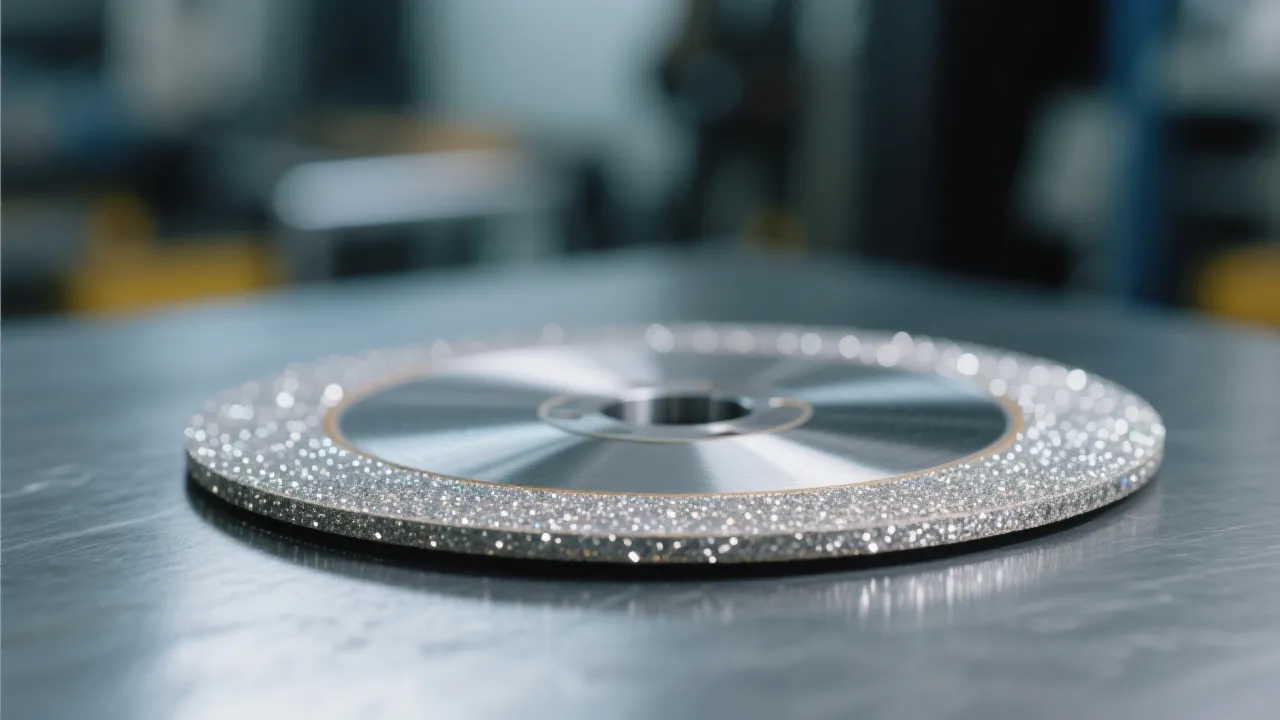
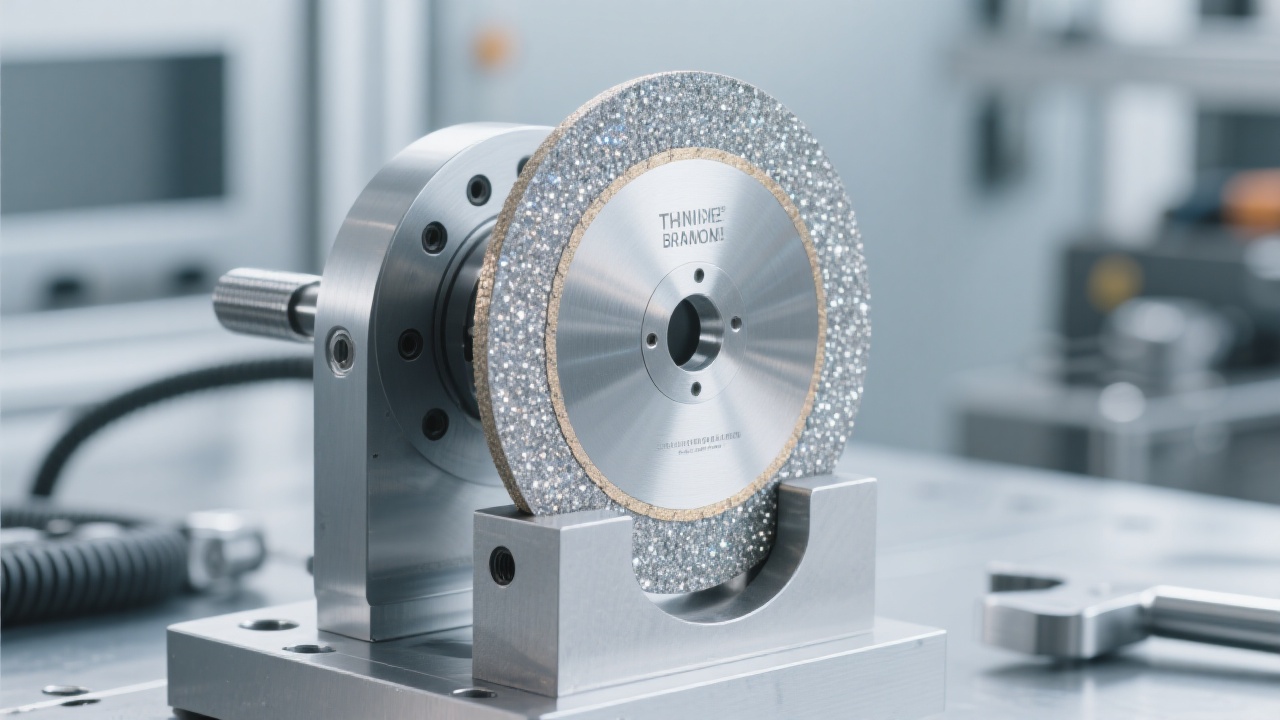
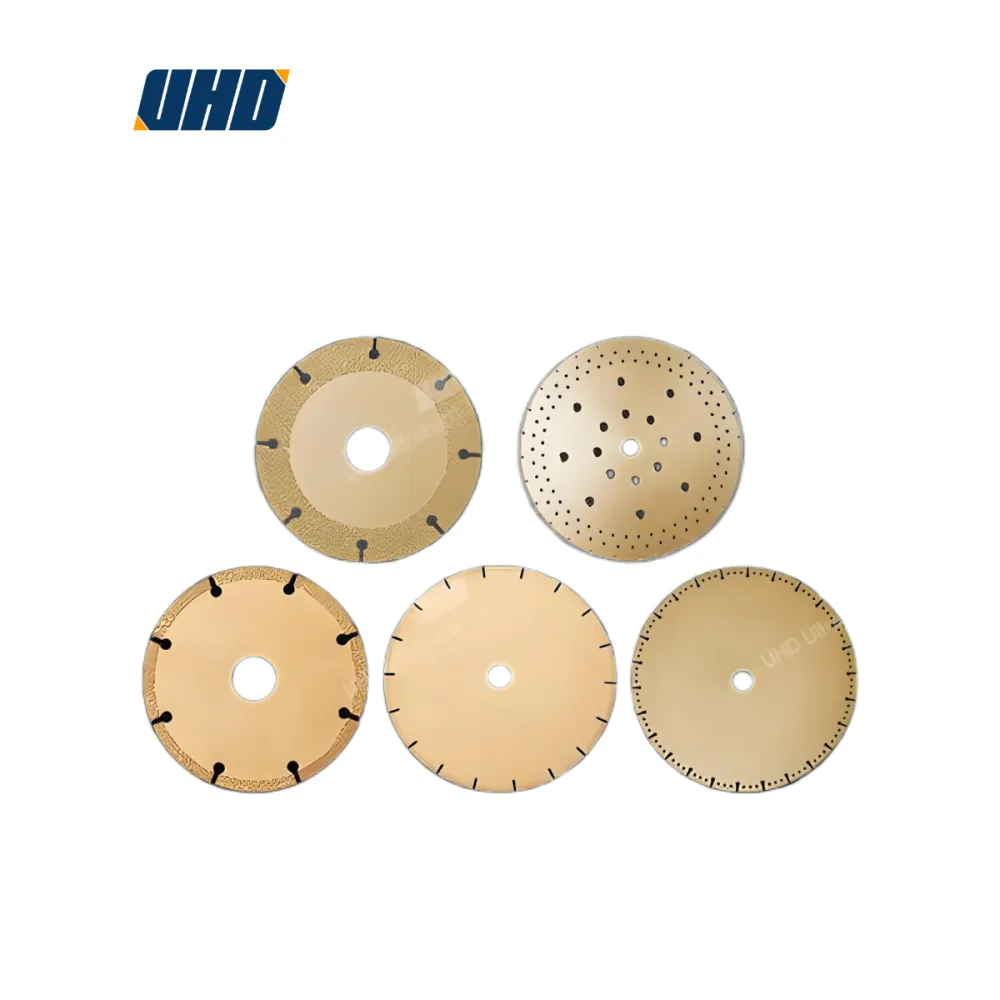
In today's rapidly evolving metalworking industry, tool performance and reliability are paramount. UHD’s diamond grinding shafts have emerged as revolutionary tools, setting new benchmarks in precision cutting and grinding. Engineered for superior productivity, these shafts deliver exceptional results when machining complex hard metals such as grey cast iron, stainless steel, and cemented carbides. This article presents an in-depth analysis of the technical advantages of UHD diamond grinding shafts, focusing on their ultra-thin design, high-manganese steel substrate, dual cutting and grinding capabilities, and safety-enhancing structural innovations.
UHD’s diamond grinding shafts utilize a high-manganese steel base, a material renowned for its superior toughness and impact resistance. This choice of substrate significantly minimizes shaft deformation and wear, extending the tool lifespan by up to 30% compared to conventional steel alloys, according to industry testing standards (ISO 527). The integration of an ultra-thin diamond segment, varying between 0.2 to 0.5 mm in thickness, enhances cutting precision while reducing material waste and minimizing heat generation during operation.
Such an ultra-thin design not only improves machining accuracy but also allows for smoother finishes in hard materials, making UHD grinding shafts especially suitable for high-precision industrial applications.
UHD diamond grinding shafts boast combined cutting and grinding functionalities, streamlining production flows by reducing tool changes. This multi-use potential results in an estimated 20-25% increase in operational efficiency for fabrication workshops handling hard metals. In tests involving grey cast iron and stainless steel, UHD tools demonstrated superior surface finish quality — achieving an average surface roughness reduction of 15% compared to traditional abrasive wheels.
Moreover, these diamond shafts excel in processing hard-to-machine alloys, maintaining consistent performance without premature blade wear or degradation.
Safety in high-speed metal cutting environments is critical. UHD diamond grinding shafts incorporate a patented secure bonding layer between the diamond segment and the steel substrate. This design reduces the risk of segment detachment during intensive use, complying with global safety norms such as ANSI B7.1 and EN 13236 standards.
Additionally, the shafts feature an optimized geometric profile that balances vibration dampening with cutting aggressiveness. Users report up to a 40% reduction in machine tool vibration at operating speeds of up to 15,000 RPM, directly translating into improved operator comfort and extended tool life.
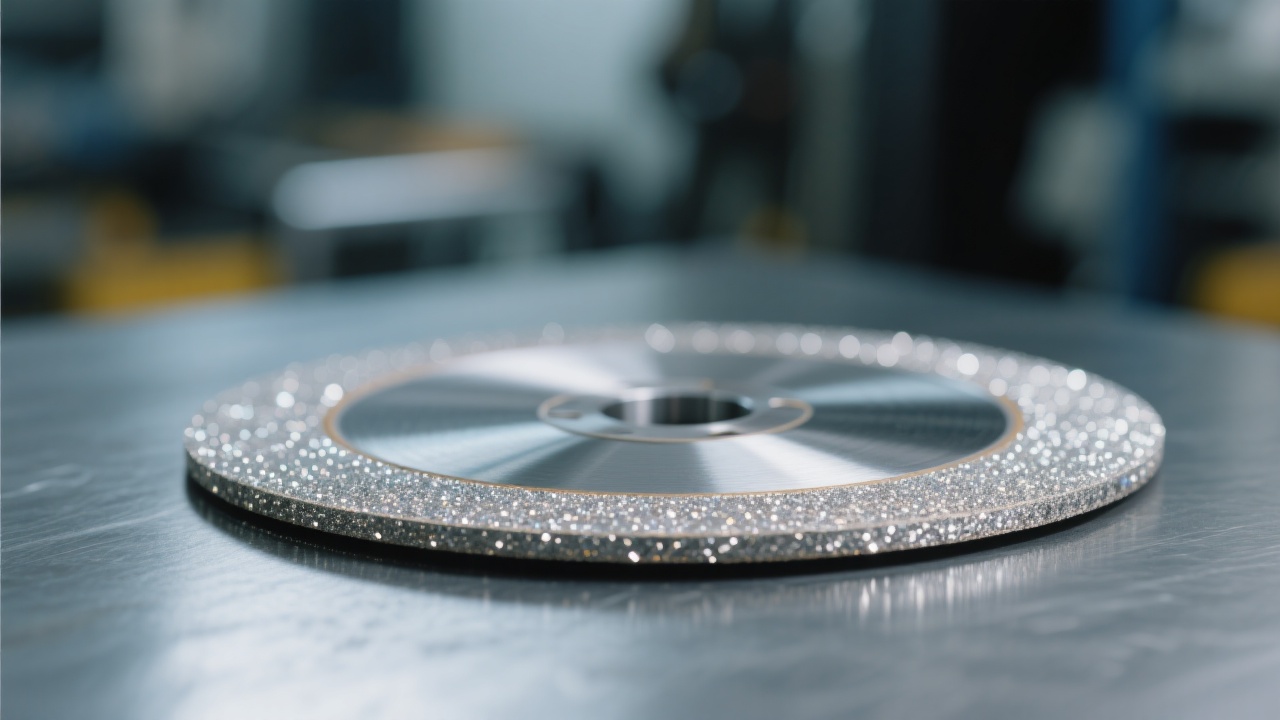
Leading manufacturers across Europe and Asia have integrated UHD diamond grinding shafts into their production lines. For example, an automotive components supplier reported a 35% reduction in machining cycle times when switching from a conventional abrasive shaft to UHD’s dual-function diamond grinding shafts. This operational gain resulted in inventory cost savings, tighter tolerances, and higher throughput, critical competitive advantages in automotive OEM supply chains.
Another user in aerospace alloy fabrication praised the exceptional consistency of surface finish on titanium alloy parts, critical for fatigue resistance in structural components.
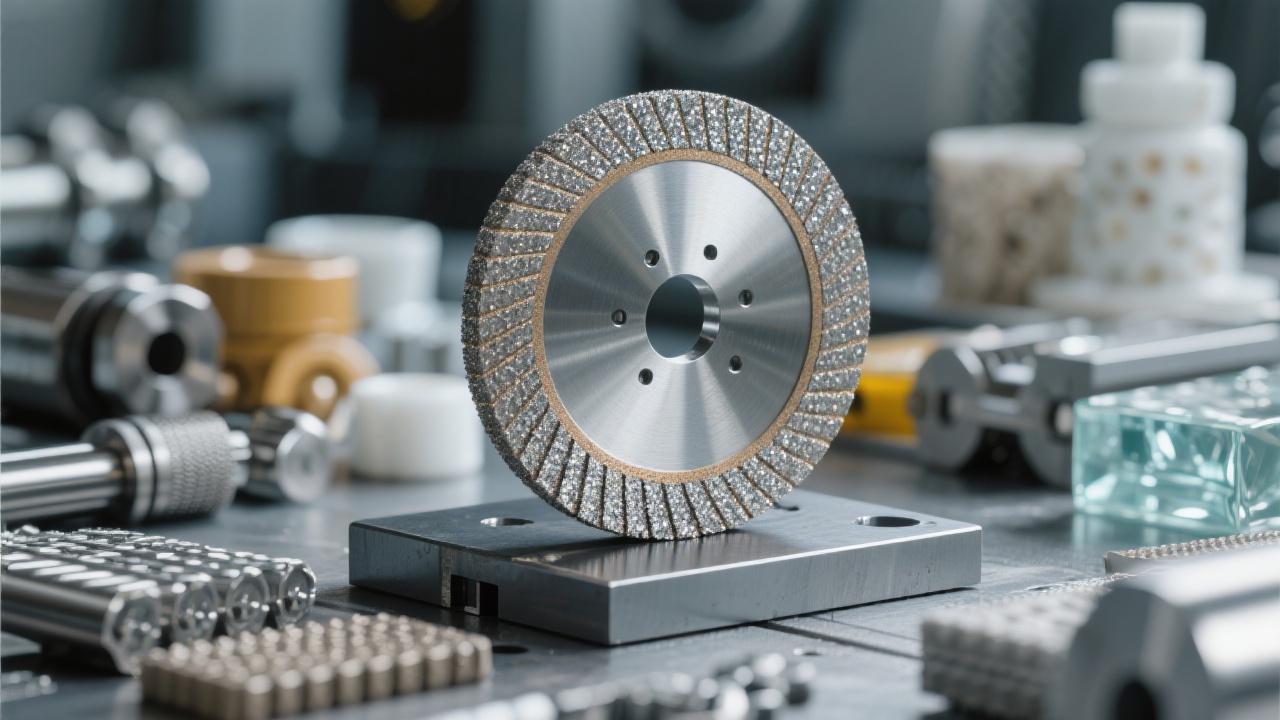
The evolution of UHD diamond grinding shafts is poised to continue with innovations in nanodiamond coatings and smart cutting monitoring systems. These advancements aim to further extend tool life, increase cutting speeds, and provide real-time wear analytics to operators, enhancing predictive maintenance and reducing downtime.
Integration with Industry 4.0 manufacturing protocols will enable seamless data-driven optimization of machining parameters, tailor-fitting UHD’s high-performance tools to evolving production demands globally.
.png?x-oss-process=image/resize,h_1000,m_lfit/format,webp)
.png?x-oss-process=image/resize,h_1000,m_lfit/format,webp)