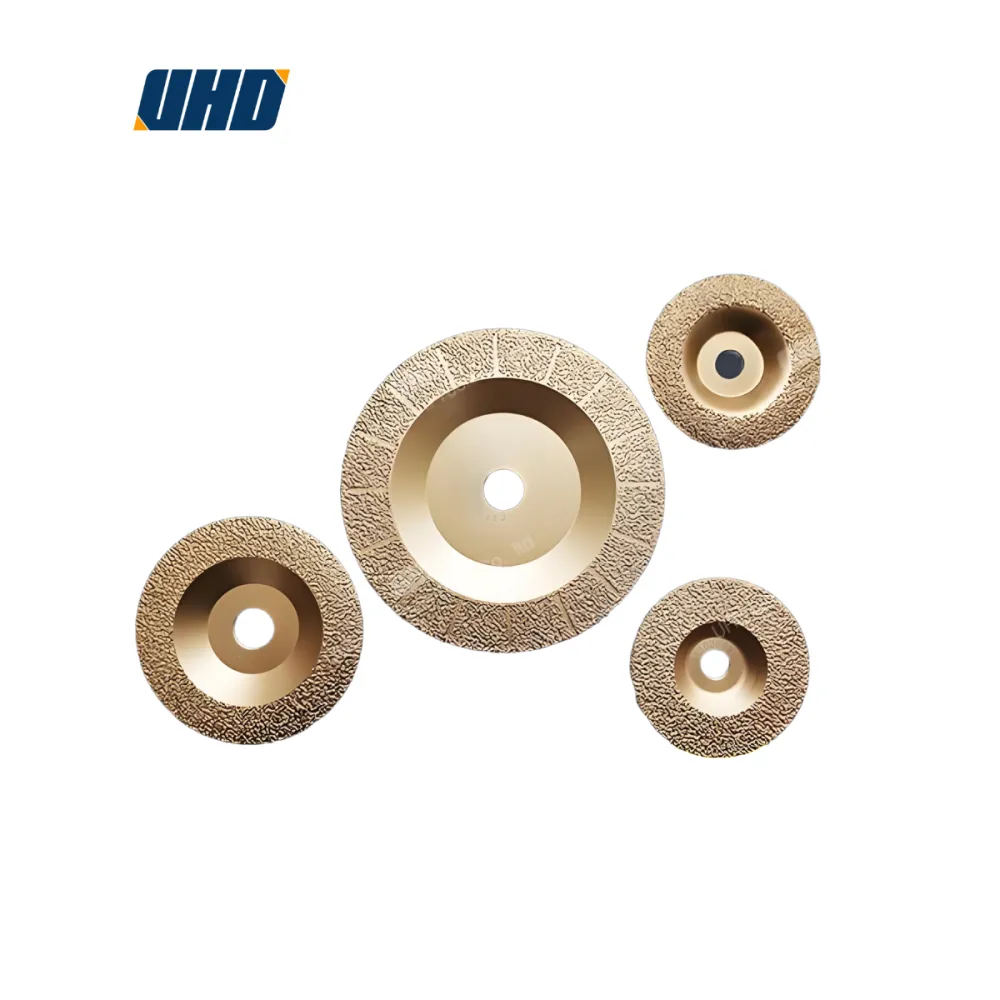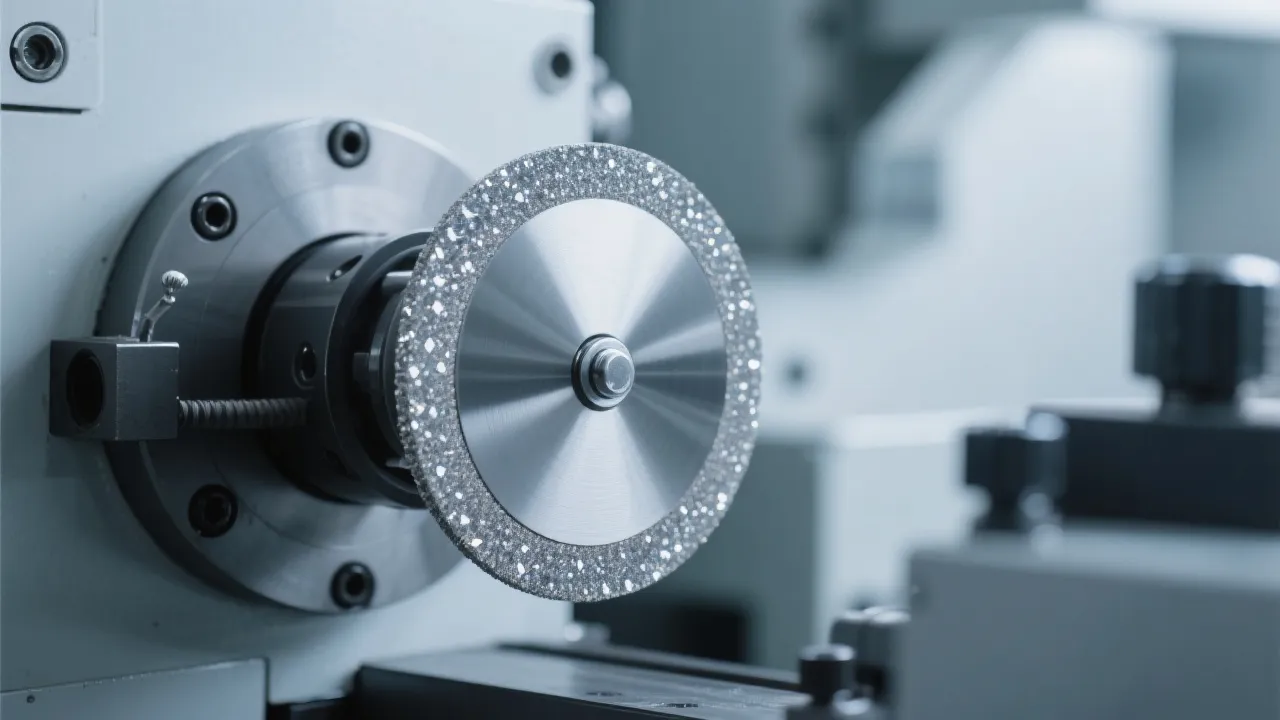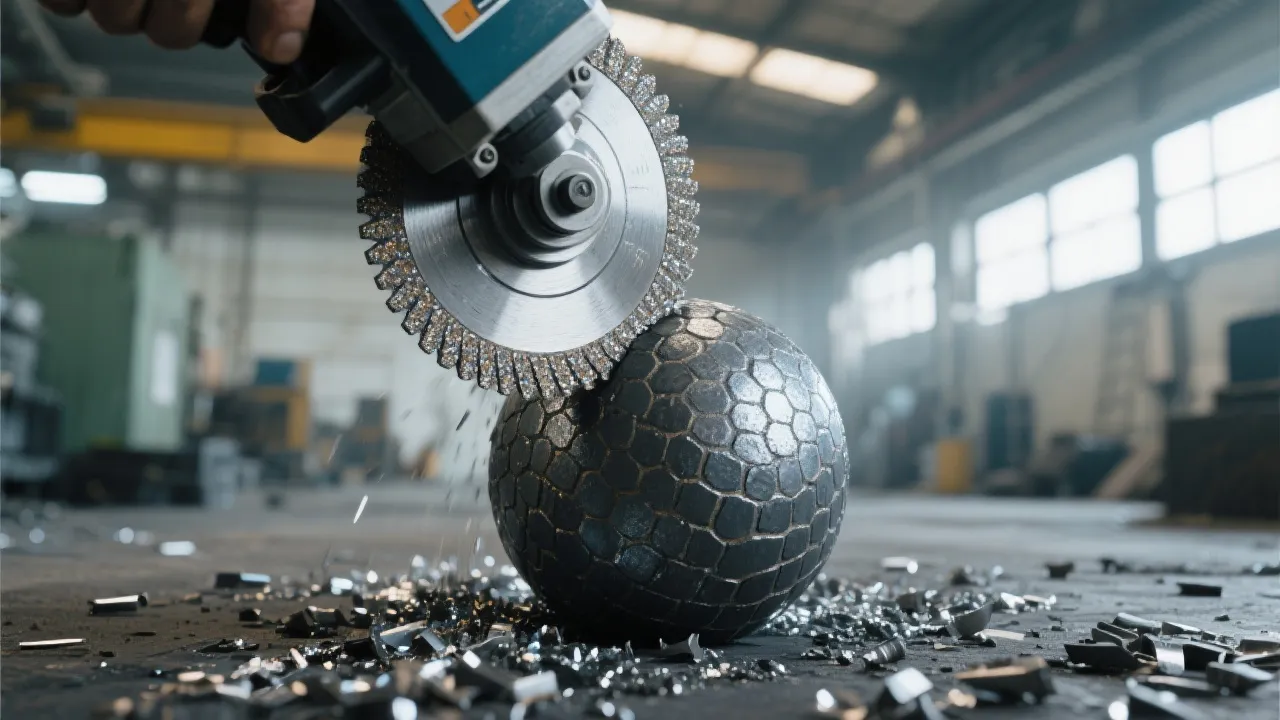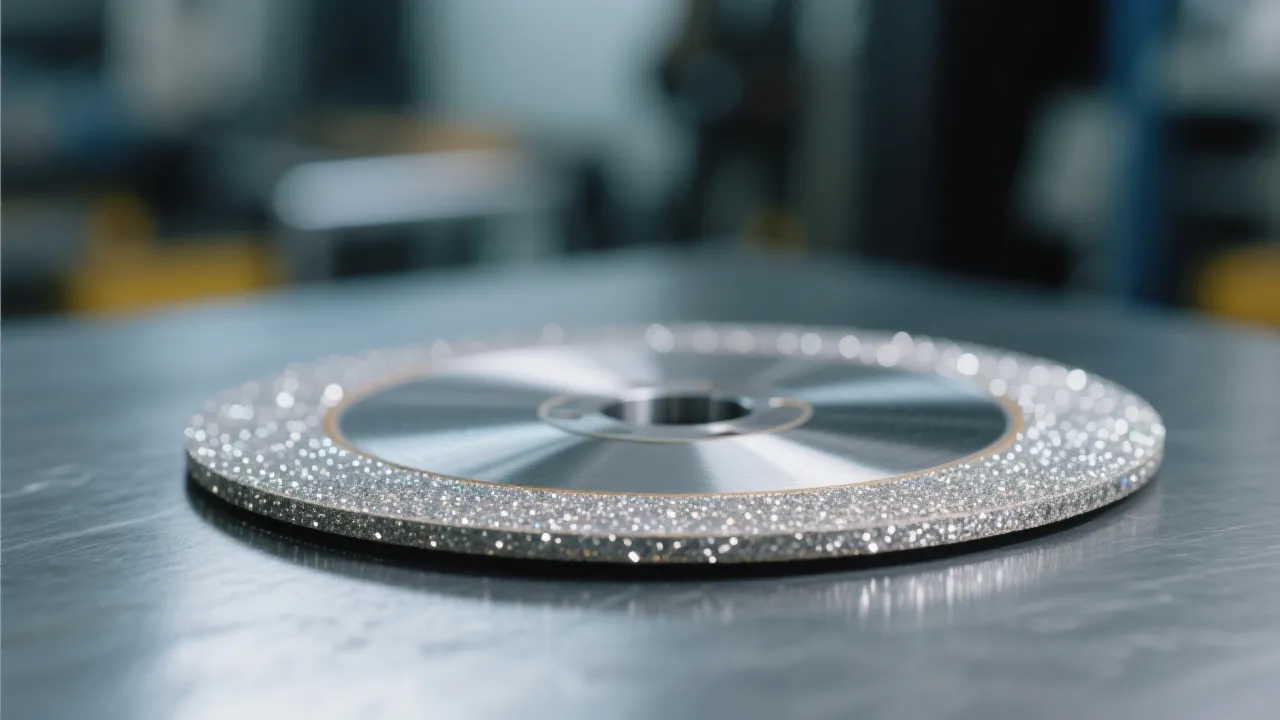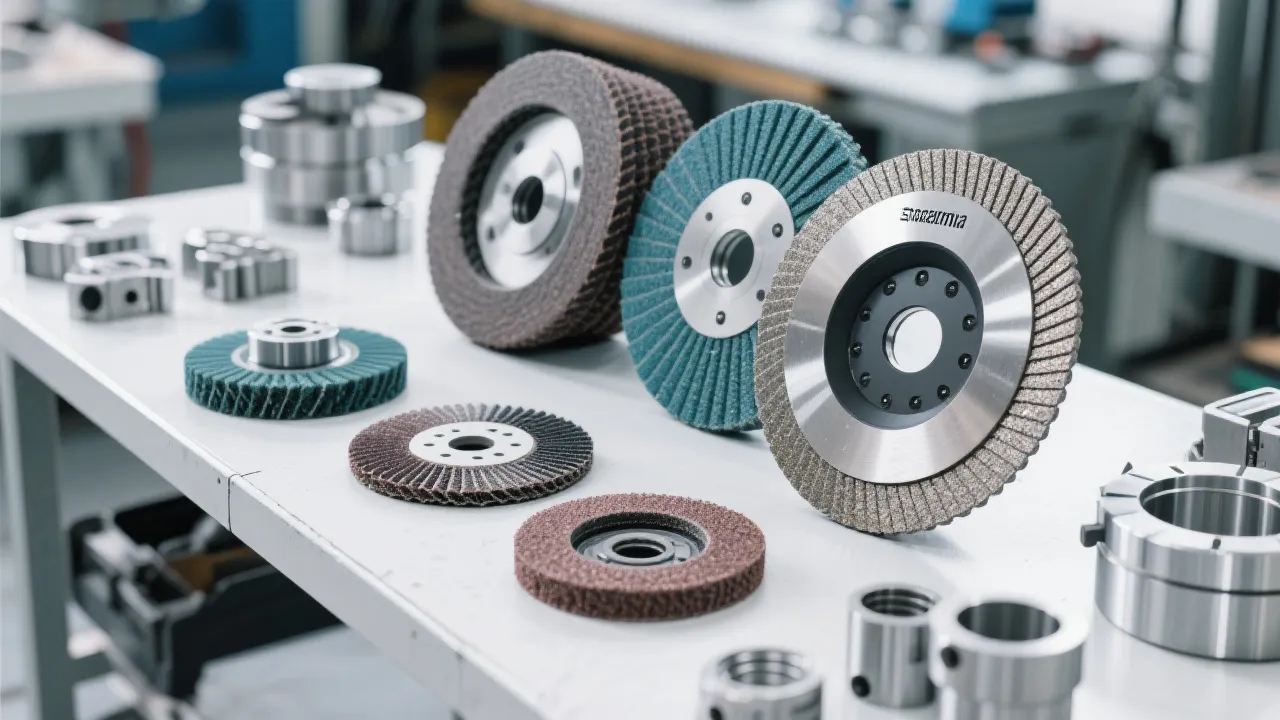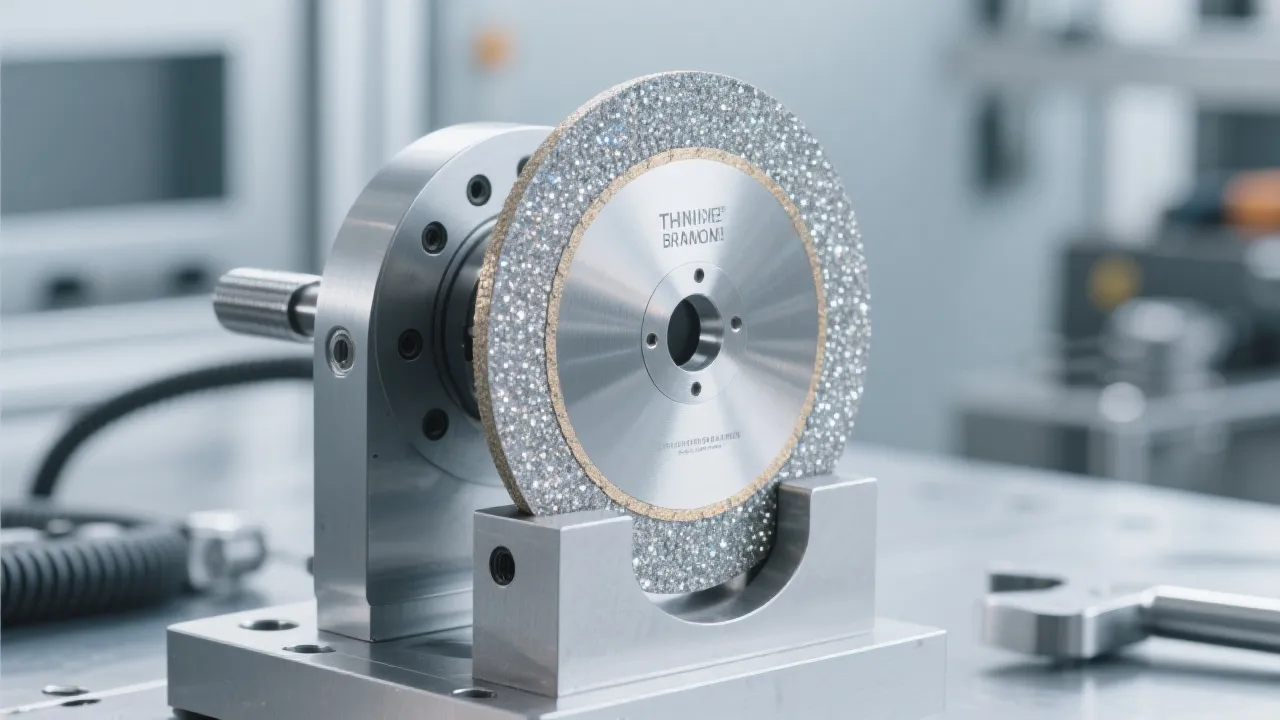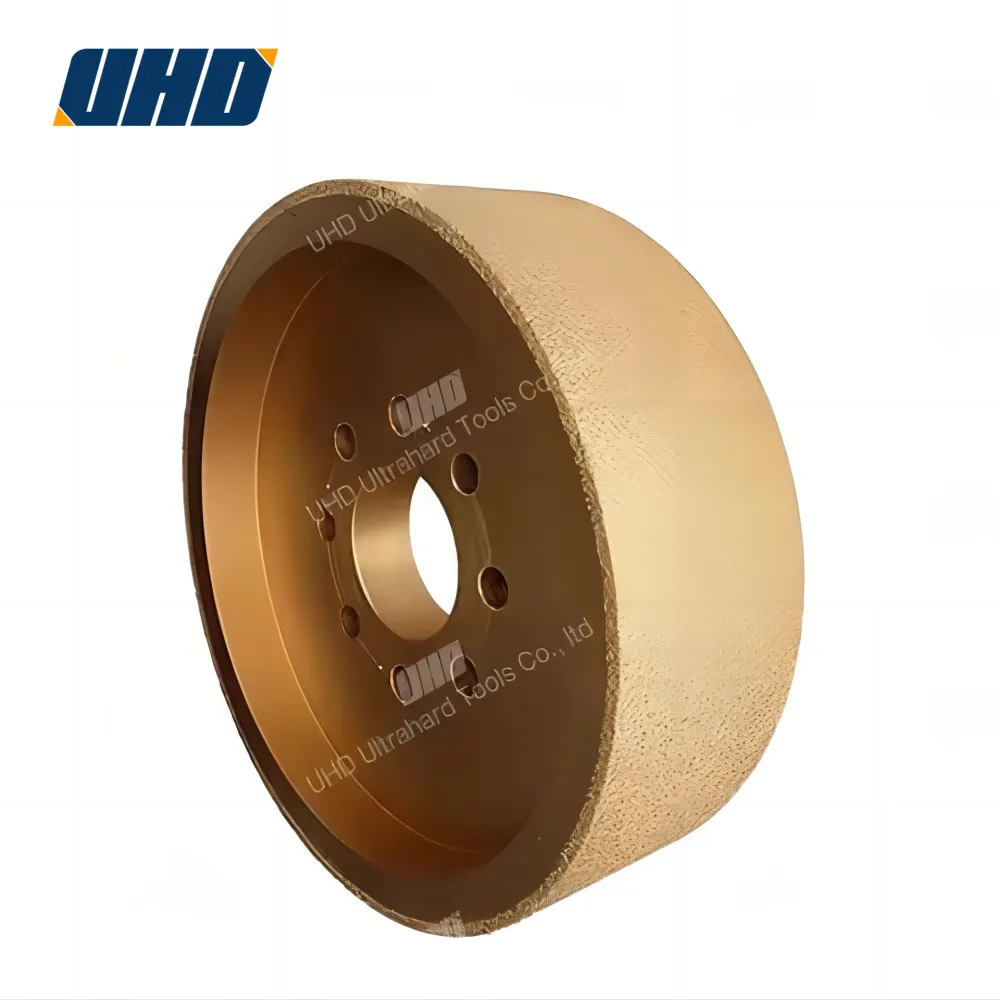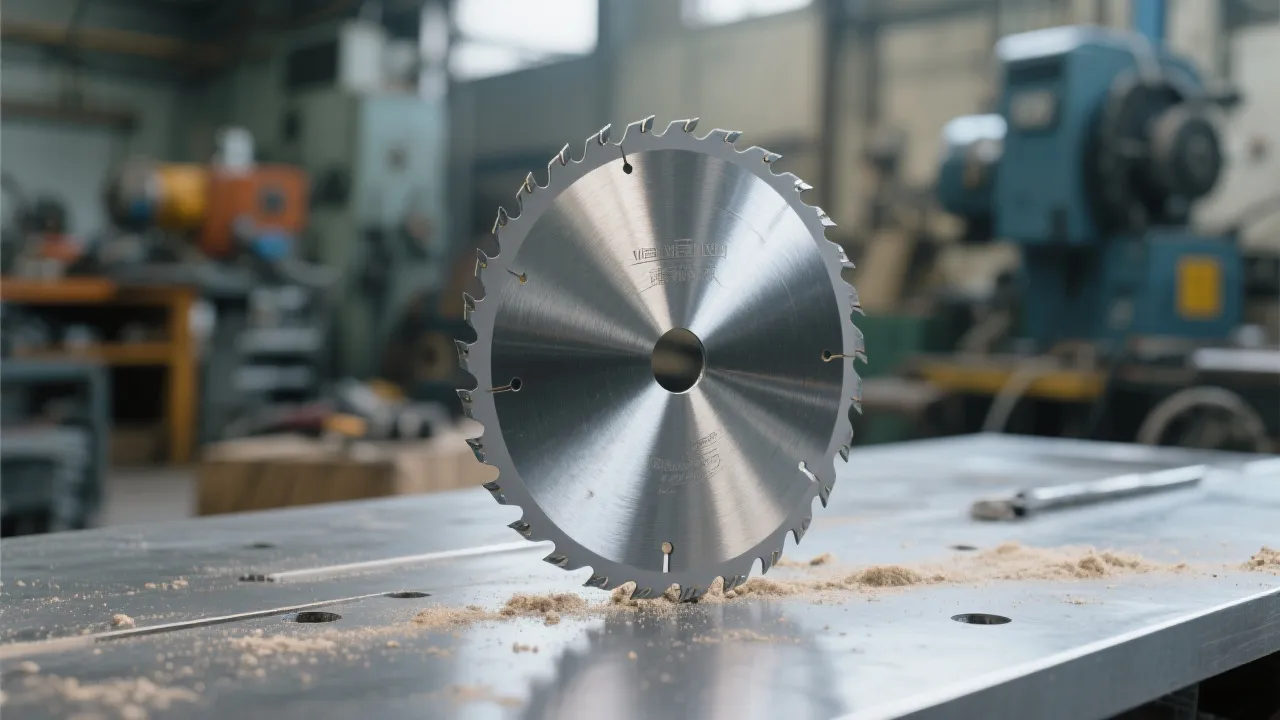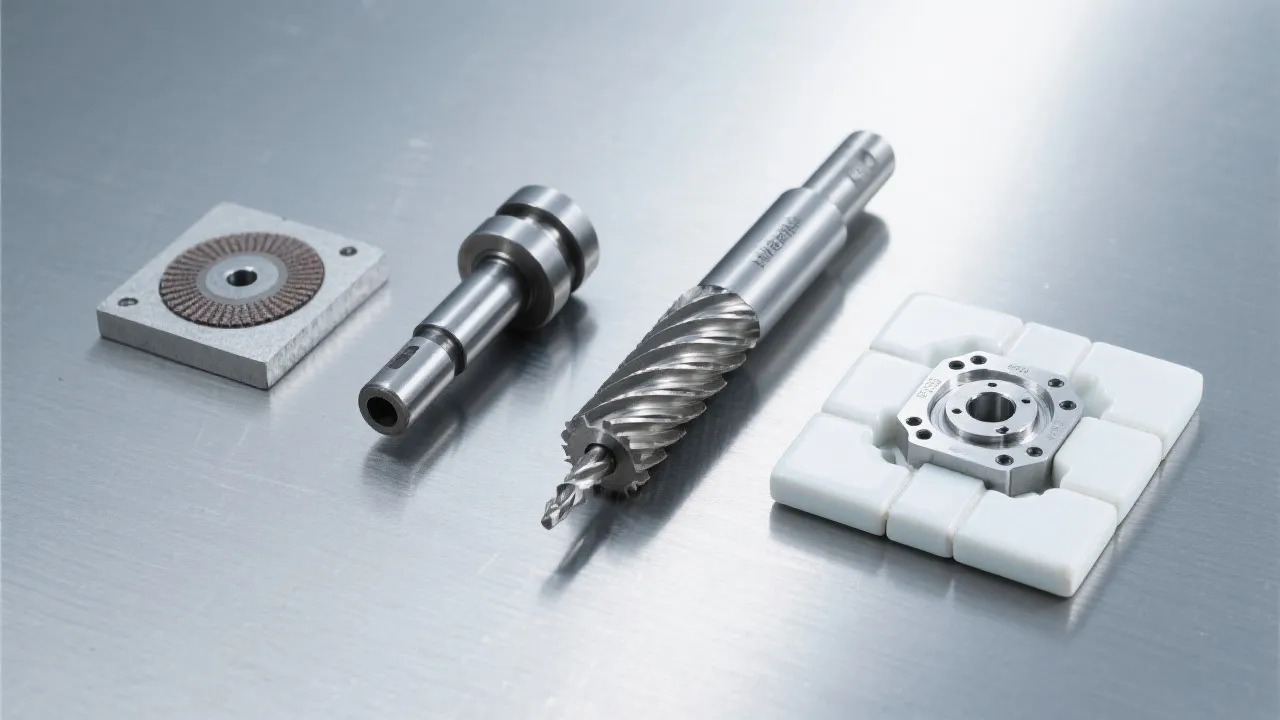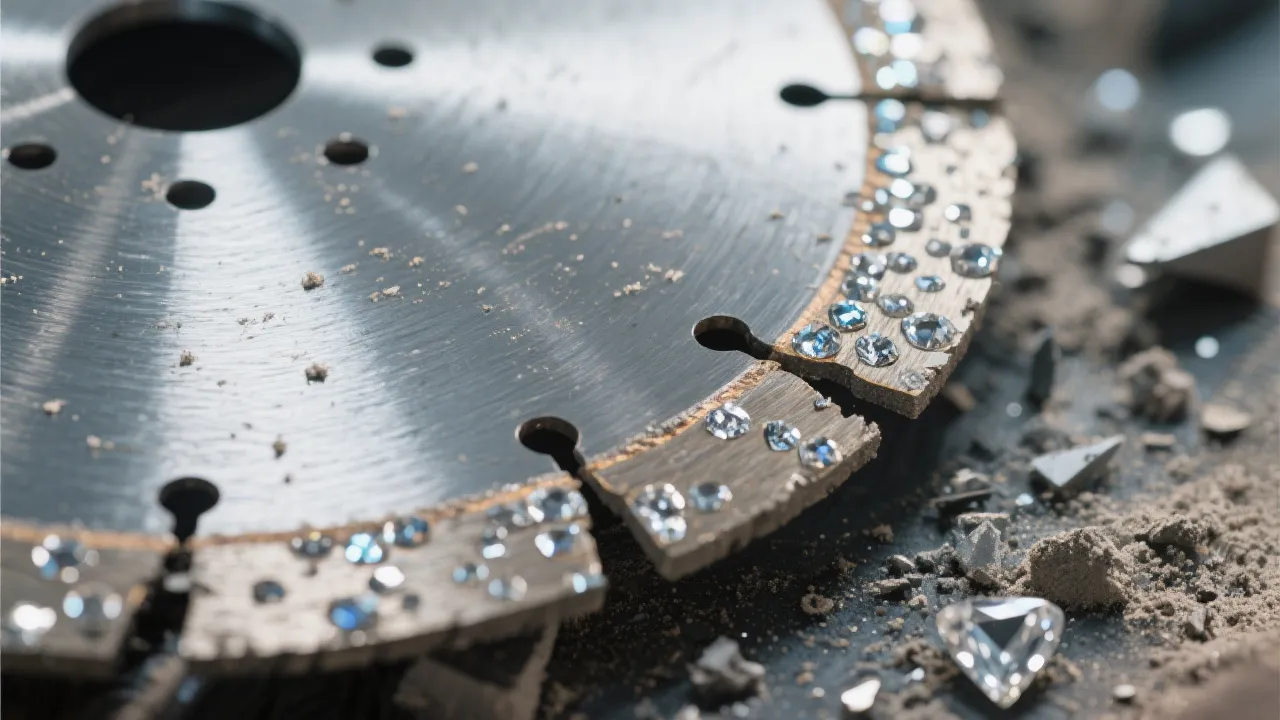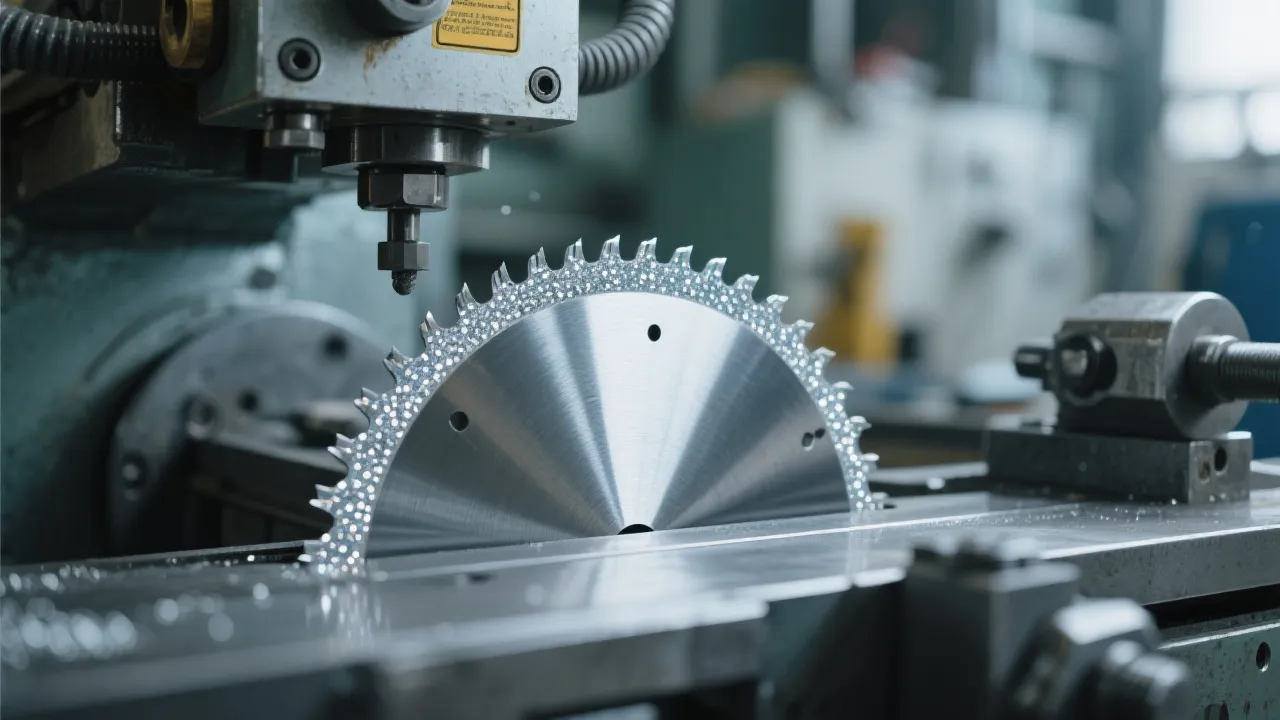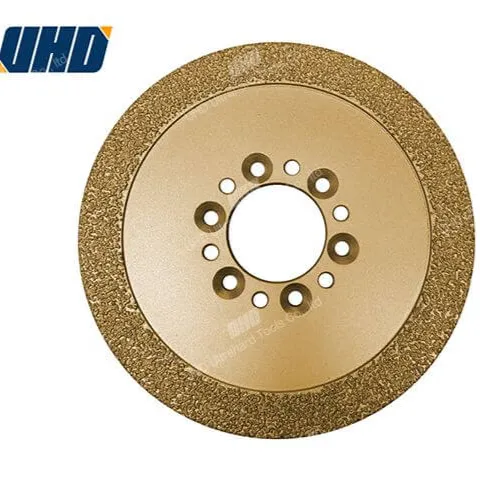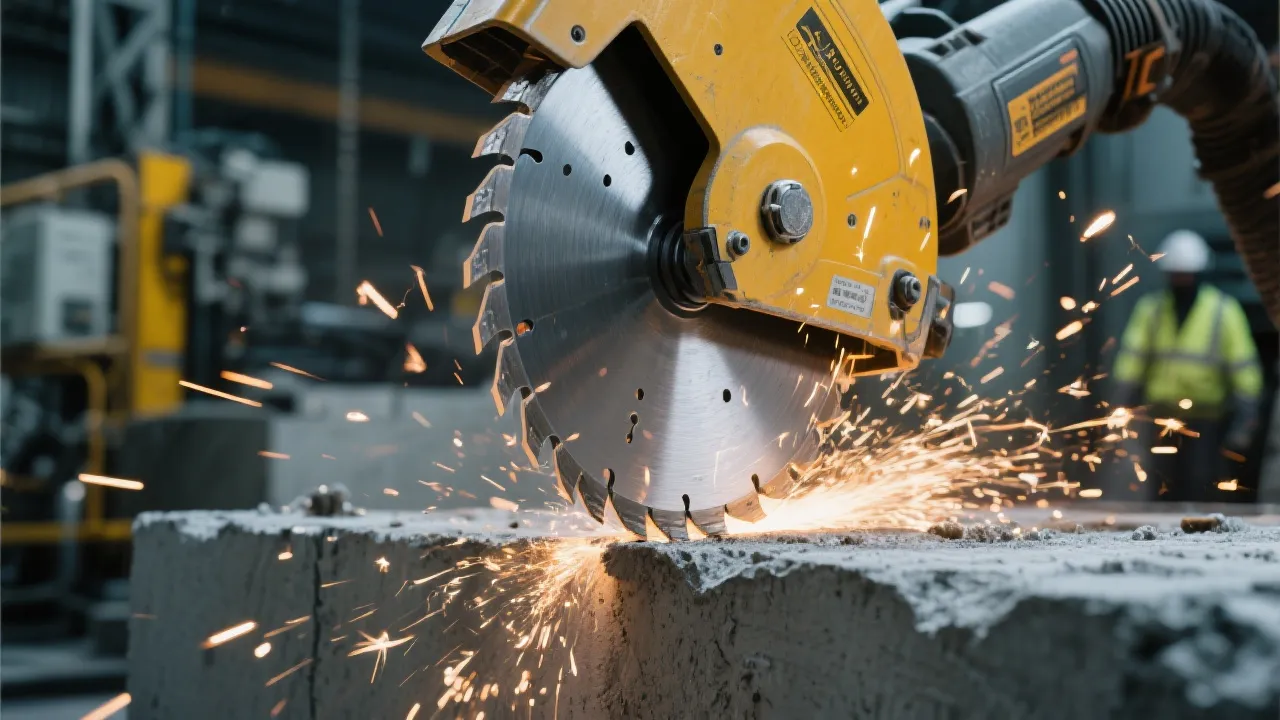
In the sphere of industrial cutting tools, the diamond grinding stick stands out as a pivotal innovation especially for the processing of hard materials. As industrial demands grow for precision and efficiency, the integration of UHD’s premium diamond grinding sticks—boasting high manganese steel substrates and ultra-thin designs—enhances productivity and product quality across applications.
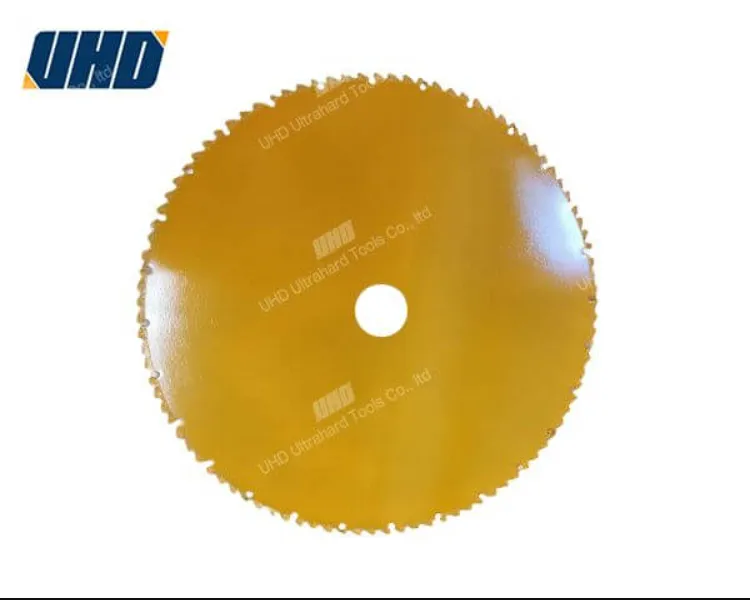
Diamond grinding sticks deliver a dual functionality by coupling cutting and grinding into one tool, significantly streamlining operations. UHD’s adoption of a high manganese steel base ensures superior mechanical strength and resistance to deformation under high stress, while the ultra-thin profile reduces friction and heat generation during cutting processes.
Such design choices make these sticks highly durable, with lifespan improvements up to 30% compared to conventional grinding tools, according to in-house testing. Their sharp, consistent edges enable precision shaping and finishing, resulting in enhanced surface quality and minimal rework requirements.
UHD’s diamond grinding sticks excel in the machining of multiple hard substrates, including gray cast iron, ductile iron, stainless steel, cemented carbides, natural stone, glass, and ceramics.
This multi-material adaptability empowers manufacturers and craftsmen alike to utilize fewer tool variants, drastically cutting down tooling inventory costs and machine downtime.
Traditionally, cutting and grinding require dedicated tools, leading to process complexity and time consumption. UHD’s diamond grinding sticks expertly integrate both operations, translating into a 25% increase in line throughput as reported by several manufacturing partners.
By seamlessly transitioning from rough cuts to final surface refinement without tool swapping, factories achieve reduced cycle times, lower operator fatigue, and improved process stability—key factors driving cost reduction and high-quality output.
The use of high manganese steel substrates in UHD’s grinding sticks elevates toughness and impact resistance, preventing premature tool failure in high-load environments. The ultra-thin profile design—typically between 0.3 to 0.6 mm thickness—minimizes cutting resistance, which correlates directly to lower power consumption and heat buildup.
These structural advances provide users with safer, more efficient tools that maintain consistent performance throughout extended production runs.
The careful engineering behind UHD’s tools pays dividends in operator safety and operational stability. The reinforced bonding between diamond grit and the steel base is optimized for reduced particle detachment, minimizing health risks related to airborne dust. Additionally, the tool geometry is tailored for balanced rotational dynamics to curtail vibrations and unexpected wear.
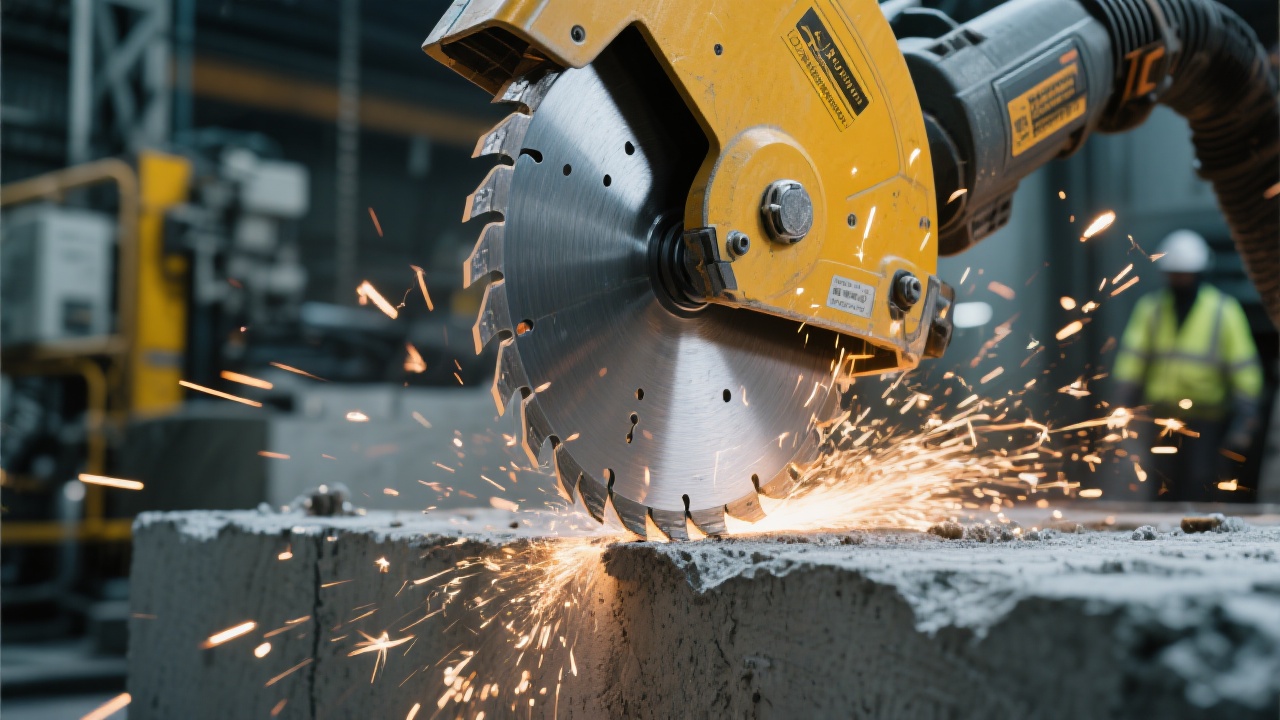
Empirical tests conducted in manufacturing lines processing stainless steel cutting blades demonstrated a 40% reduction in surface roughness (Ra value drop from 1.6 μm to 0.96 μm) when utilizing UHD’s diamond grinding sticks compared to legacy abrasives.
Furthermore, end-users report enhanced component lifespans due to cleaner edges and precise dimensional adherence, decreasing scrap rates by nearly 18% per batch.
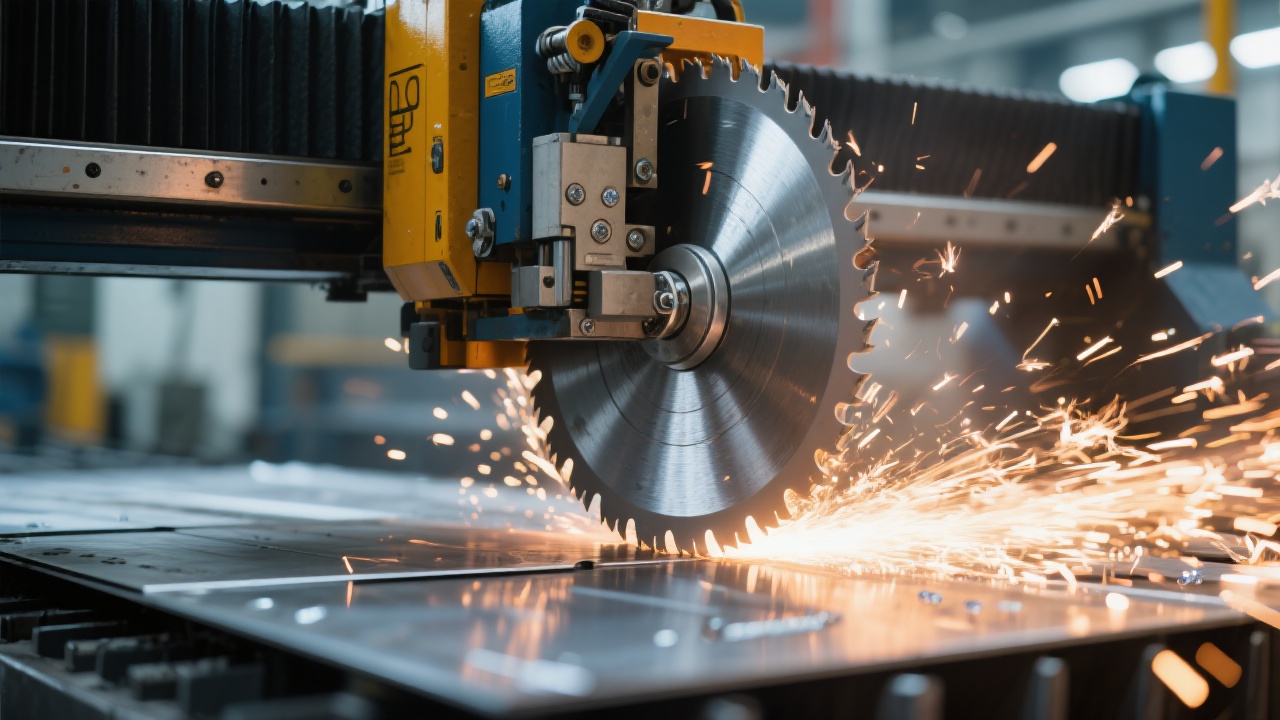
Integrating UHD diamond grinding sticks translates into tangible business advantages: streamlined production, cost savings on consumables, and superior product quality collectively elevate brand reputation and market standing. Enterprises deploying these tools often unlock premium pricing opportunities by delivering finished goods with unmatched precision and reliability.
Moreover, the sustainability aspect cannot be overlooked — prolonged tool life and reduced waste align with green manufacturing initiatives, reinforcing corporate responsibility commitments.
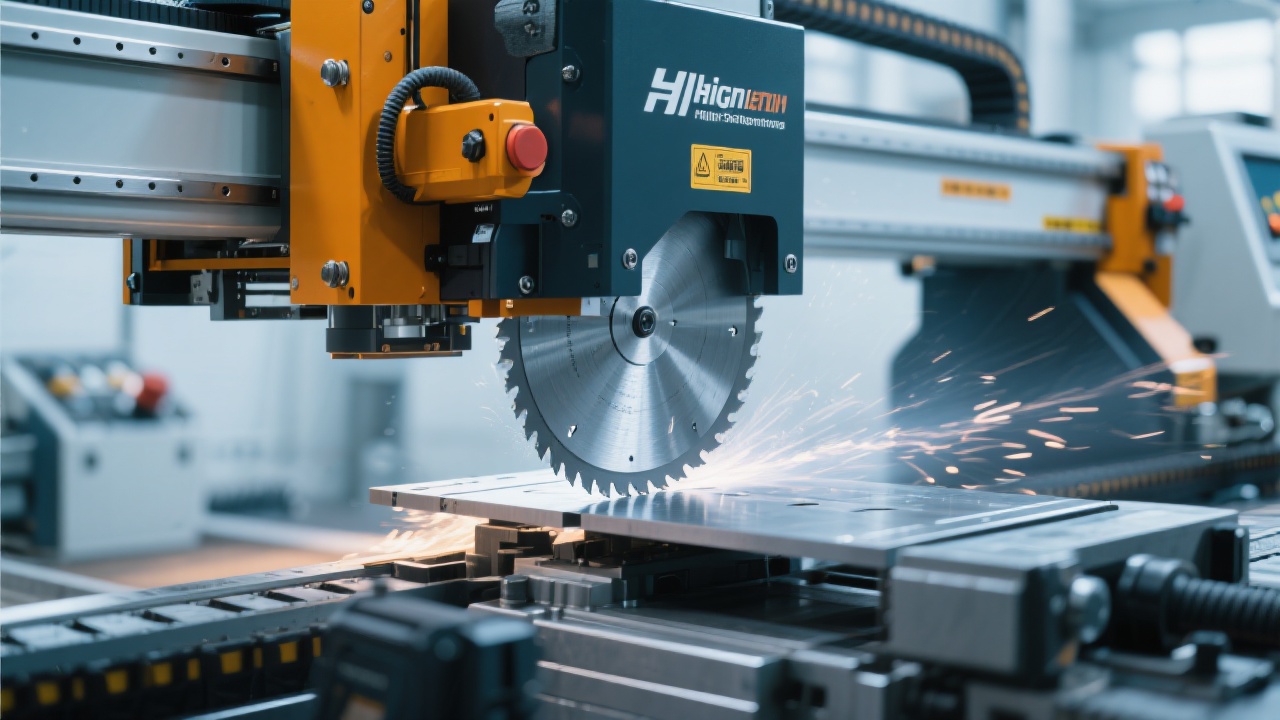
To maximize tool lifespan, UHD advises users to implement precise operational protocols—including calibrated speed settings tailored to material hardness, regular inspection for wear signs, and controlled cooling to prevent thermal degradation.
Routine cleaning routines remove debris and prevent grit clogging, further stabilizing performance and extending overall tooling cycles.

.png?x-oss-process=image/resize,h_1000,m_lfit/format,webp)