How to Choose the Right Diamond Grinding Tools to Boost Efficiency in Ceramic Material Processing
11 12,2025
Application Tips
Selecting the appropriate diamond grinding tools is essential for enhancing both efficiency and precision in ceramic material processing. This article explores the unique advantages of diamond cutting grinding discs—such as high sharpness, ultra-thin design for safety and performance, and dual functionality (cutting + grinding)—and demonstrates how these features translate into real-world gains. Supported by practical case studies and technical data from Henan Yode Superhard Tools, including a 30% increase in cutting speed and 50% longer tool life, this guide provides actionable insights for optimizing tool selection based on ceramic type, thickness, equipment constraints, and process requirements.
How to Choose the Right Diamond Grinding Tools for Ceramic Material Processing Efficiency
Ceramic materials—known for their hardness, thermal stability, and wear resistance—are widely used in aerospace, electronics, and construction industries. However, traditional grinding tools often struggle to meet modern production demands due to rapid wear, inconsistent surface finish, and low cutting efficiency.
Why Conventional Tools Fall Short in Ceramic Machining
Standard abrasives like aluminum oxide or silicon carbide degrade quickly when processing ceramics with Mohs hardness ratings of 7–9. This leads to frequent tool changes, increased downtime, and poor dimensional accuracy—especially in thin-walled or precision components.
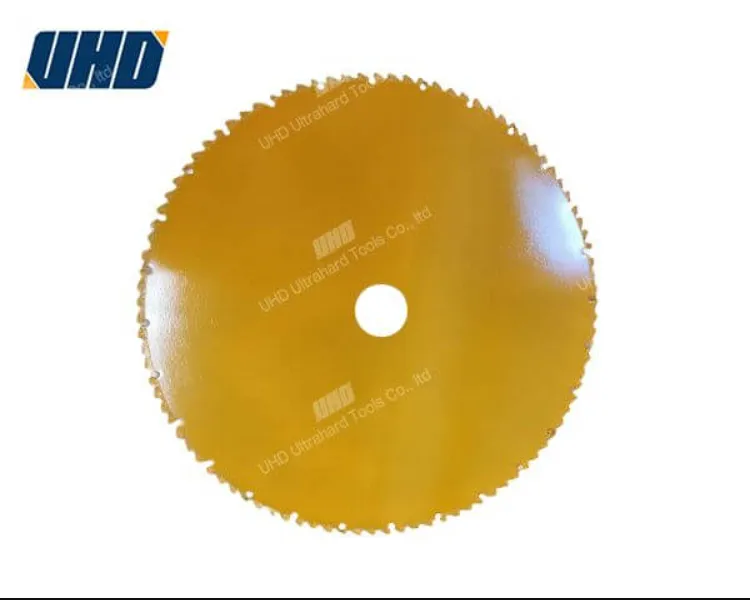
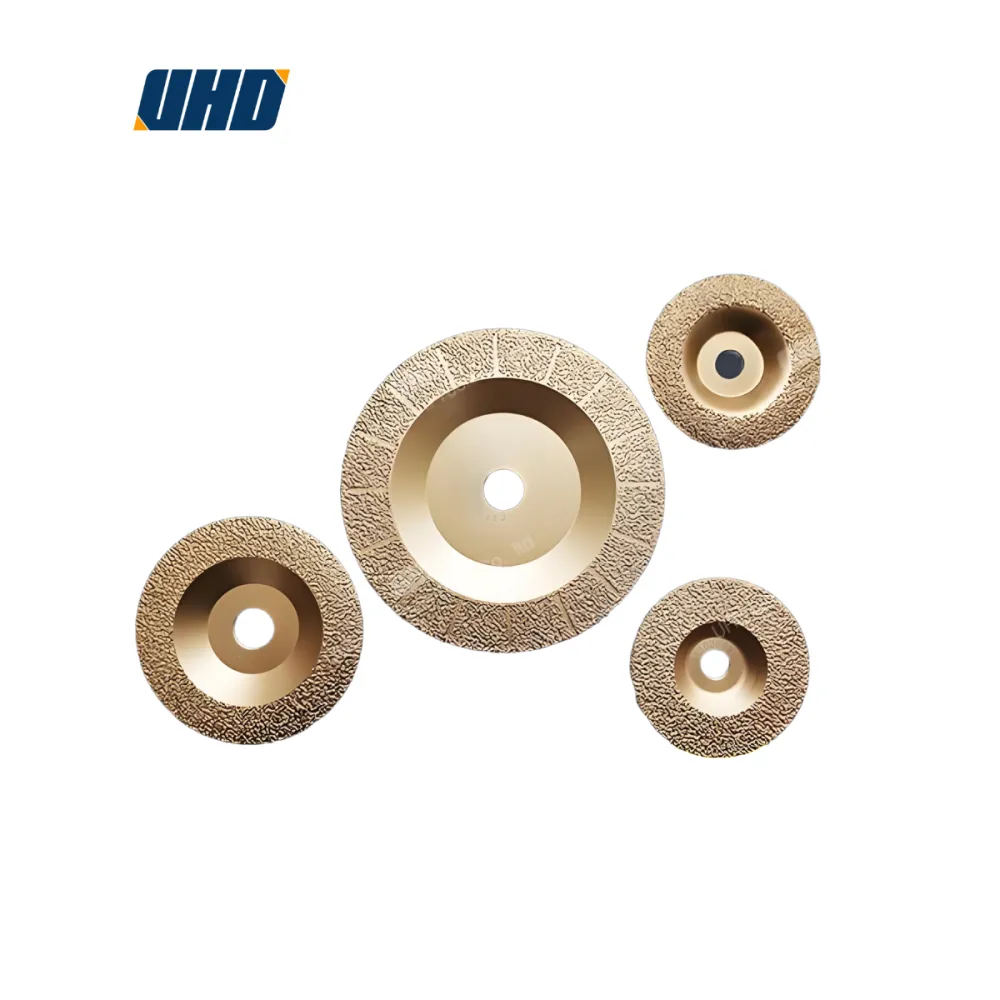
The Technical Edge of Diamond Cutting Wheels
Diamond grinding wheels offer a compelling solution:
- Exceptional wear resistance: Up to 5x longer life than conventional tools under identical conditions (based on real-world test data from河南优德超硬工具).
- High thermal stability: Maintains sharpness even at temperatures above 800°C—a key factor in high-speed ceramic machining.
- Surface quality: Achieves Ra values as low as 0.2 μm, reducing post-processing needs by up to 40%.
- Double functionality: One wheel can both cut and grind, minimizing tool changeover time and enhancing workflow flexibility.
| Tool Type |
Cutting Speed (mm/min) |
Tool Life (hours) |
Surface Finish (Ra, μm) |
| Aluminum Oxide Wheel |
120 |
4.5 |
1.8 |
| Diamond Wheel (Brazed) |
180 |
9.0 |
0.2 |
Material & Process Considerations: What Makes a Diamond Wheel Effective?
Not all diamond wheels are created equal. The choice of base material—such as high-manganese steel versus tungsten carbide—and bonding method (e.g., brazing vs. sintering) significantly impacts performance. For example, brazed diamond segments provide better heat dissipation and mechanical strength, making them ideal for continuous operation in automated ceramic processing lines.
Practical Selection Guide Based on Application Needs
To maximize efficiency and reduce waste:
- For thick ceramic tiles (>10 mm): use wider, thicker diamond blades (e.g., 3.2 mm thickness) with optimized grit distribution.
- For precision thin parts (<3 mm): opt for ultra-thin segmented wheels (1.0–1.5 mm) to minimize kerf loss and improve accuracy.
- When using CNC machines: match wheel RPM to spindle speed—typically 6,000–12,000 rpm for optimal chip removal without overheating.
Let every cut be precise. Let every segment last longer.
Discover how our brazed diamond cutting wheels can transform your ceramic processing workflow — without compromise.
Explore Our Diamond Cutting Solutions


.png?x-oss-process=image/resize,h_1000,m_lfit/format,webp)

 <#else>





