Choosing the Right Diamond Saw Blade for High-Speed Cutting: Performance Insights and Selection Tips

26 03,2026
UHD
Application Tips
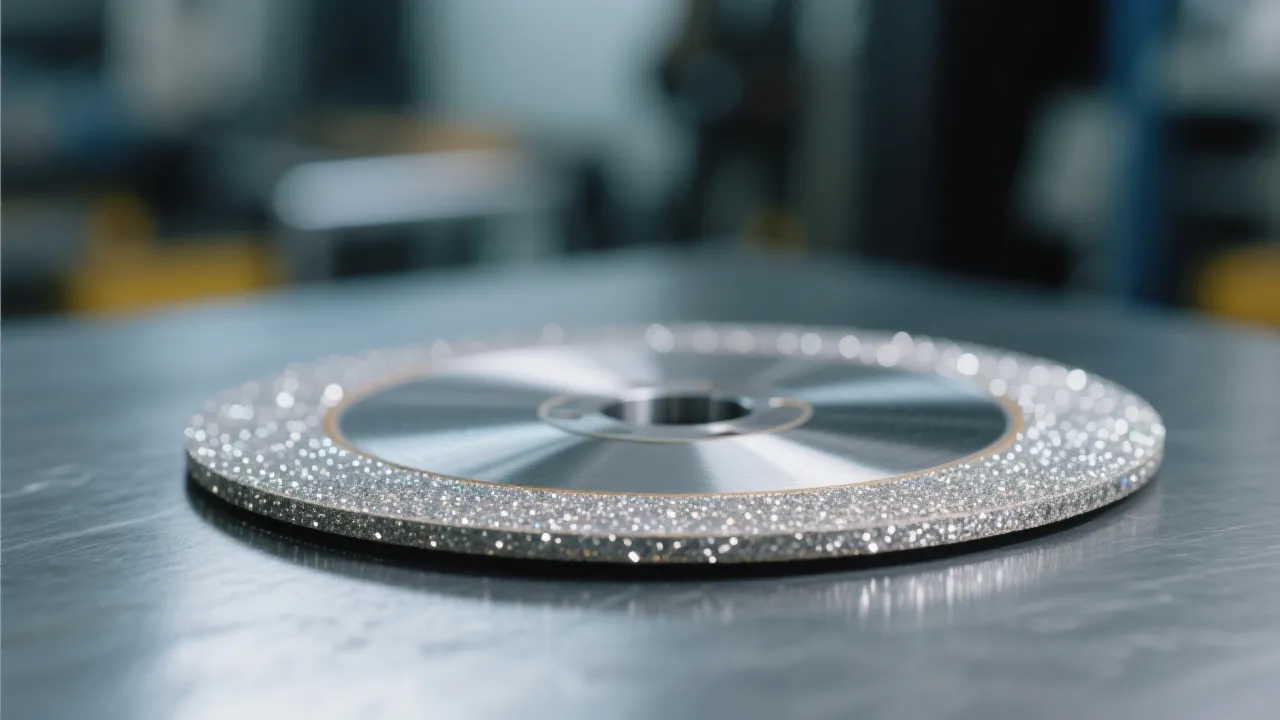
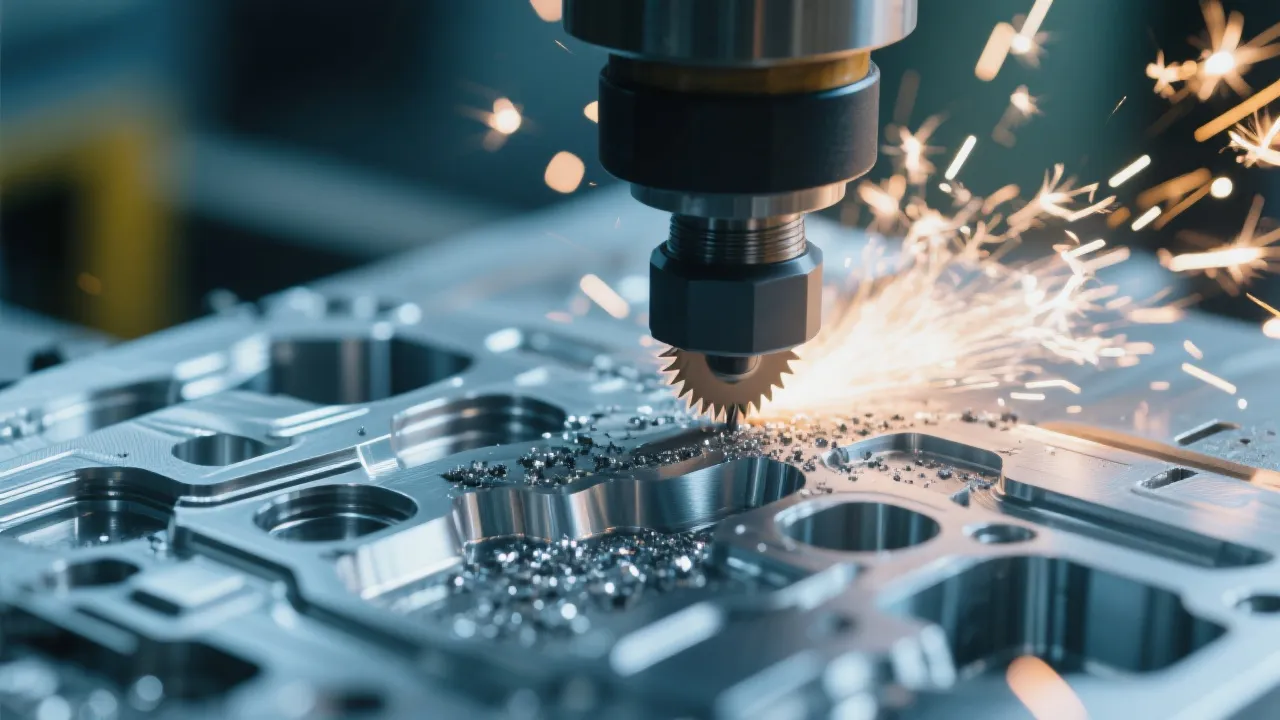
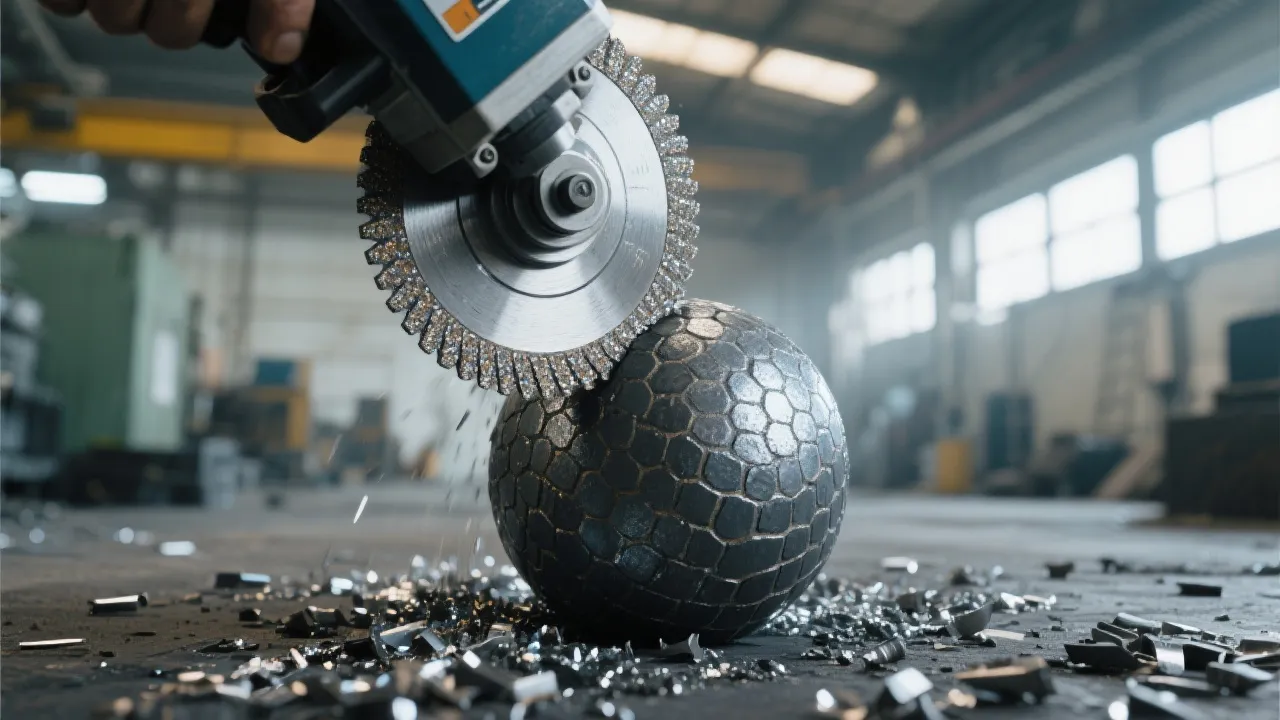
In high-speed, high-power cutting environments, selecting the right diamond saw blade is critical to maximizing efficiency and ensuring equipment safety. This article explores how blade performance varies across different rotational speeds, analyzing real-world applications of models like UDS 600M16 and UDS 400amp 80. From blade material and vacuum brazing technology to installation standards and maintenance best practices, we provide a comprehensive guide to help you avoid common selection pitfalls and enhance cutting stability and blade longevity. Whether you are a mechanical engineer or a procurement professional, this practical guide offers actionable insights for optimized tool selection.
营销主题配图_1751964127003.jpg

How to Choose the Right Diamond Saw Blade for High-Speed Cutting

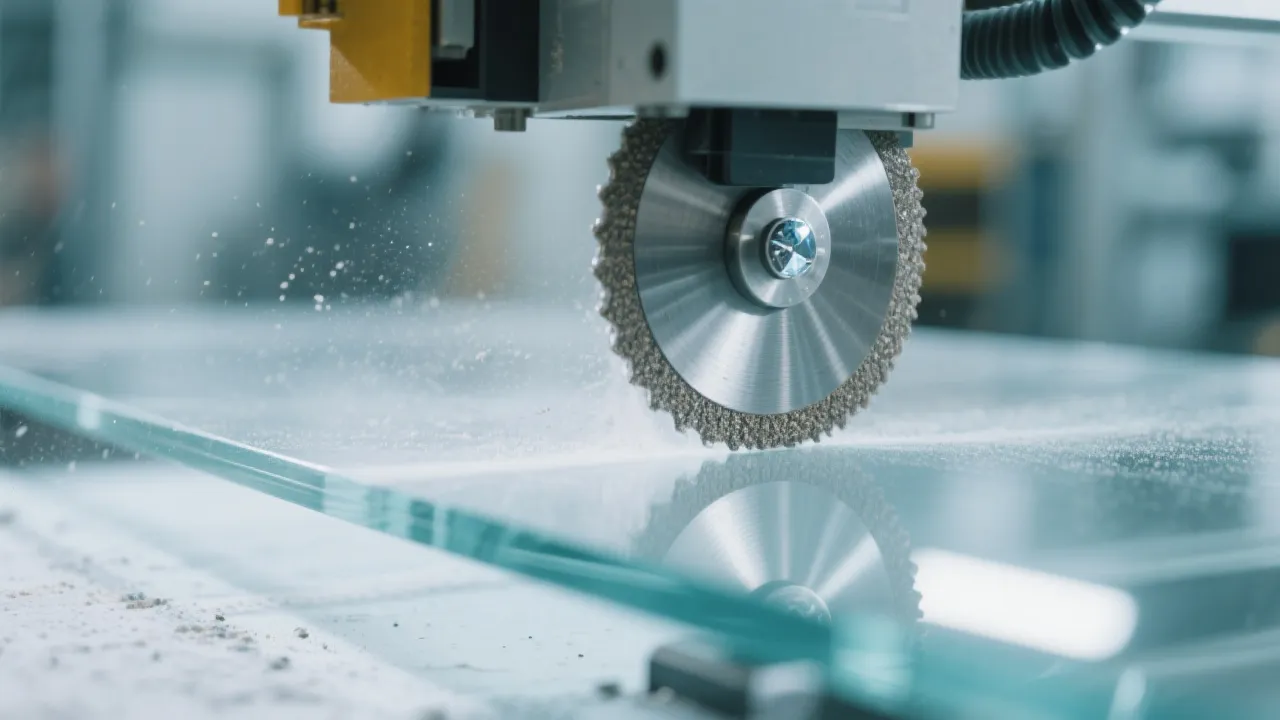
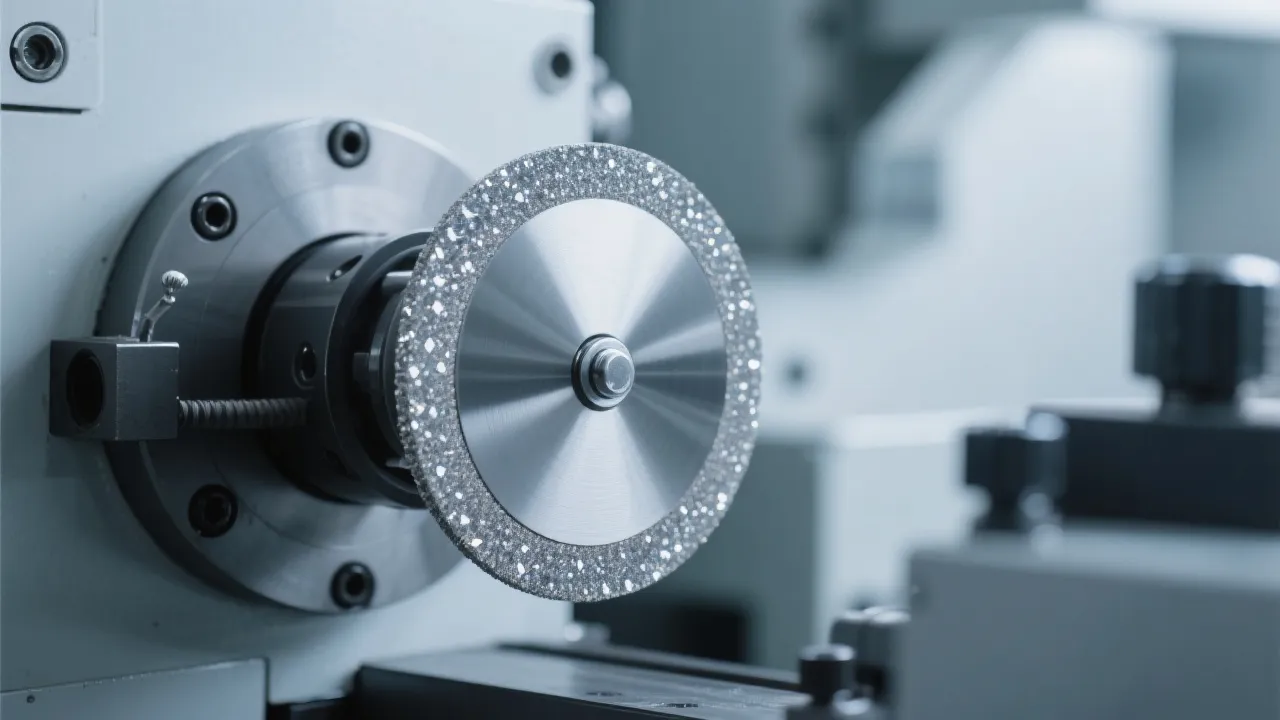
When working with high-power, high-speed cutting equipment, your choice of diamond saw blade directly impacts both operational efficiency and equipment longevity. Selecting the wrong blade can lead to costly downtime and increased maintenance, but understanding the performance characteristics at different rotational speeds can help you avoid these pitfalls. This guide explains critical factors in blade selection, focusing on the industry-leading UHD-brand vacuum-brazed diamond blades such as the UDS 600M16 and UDS 400amp 80, to help you make informed decisions tailored to your cutting applications.

The Technical Challenges of High-Speed Cutting

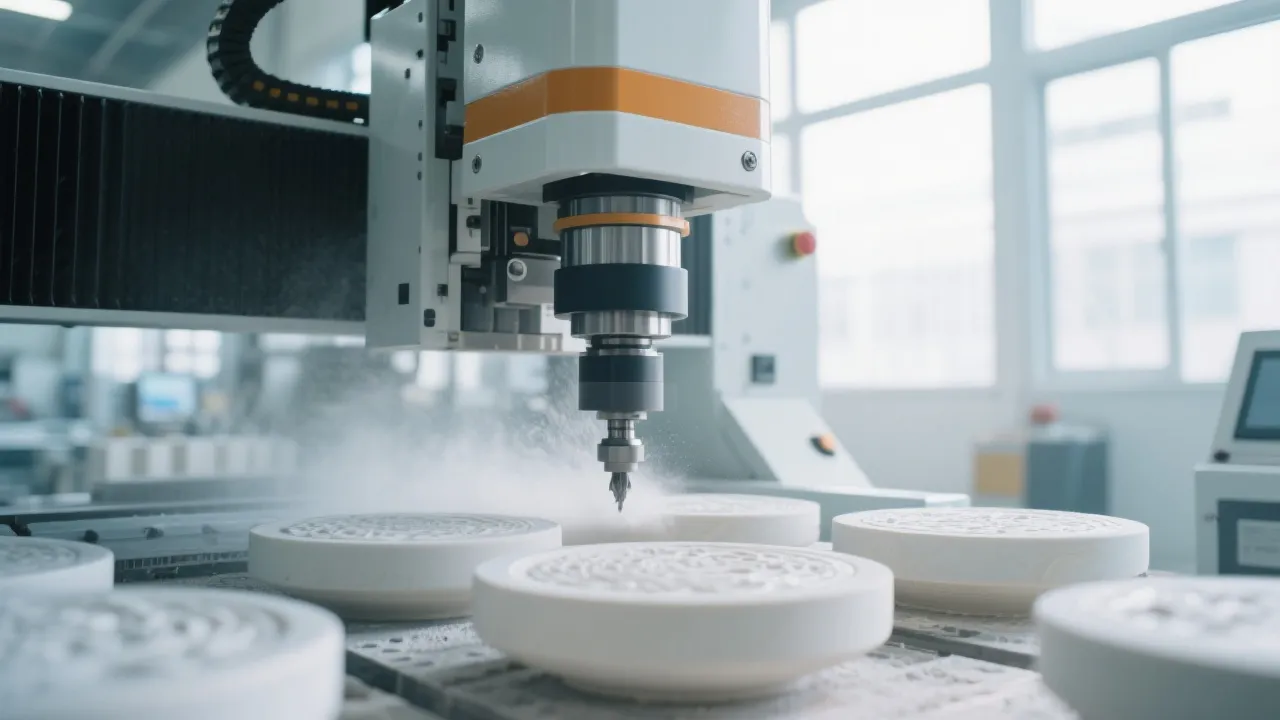
High-speed cutting presents unique challenges: increased thermal load, accelerated abrasive wear, and the risk of blade deformation. The interplay among these factors directly affects cutting quality and tool life.

As rotational speeds increase, friction generates more heat, which if not effectively dissipated, degrades the diamond cutting segments and can cause thermal cracks or warping. This is especially true for ultra-hard materials, where both cutting forces and temperatures peak.

Speed Zones and Their Effects on Blade Performance

To optimize blade selection, it's crucial to understand how low, medium, and high-speed zones affect wear rate, thermal deformation, and cutting force:

  • Low Speed (<1,000 RPM): Minimal heat generation but higher mechanical load on segments; suitable for dense or abrasive materials where aggressive cutting is needed.
  • Medium Speed (1,000–3,000 RPM): Balanced wear characteristics with manageable heat levels; the most versatile range for a wide selection of industrial applications.
  • High Speed (>3,000 RPM): Significant heat buildup requiring premium thermal resistance and optimized cooling; ideal for high-throughput automated systems.
"Choosing the correct diamond saw blade for your machine's operating speed is the key step to enhancing cutting stability and extending tool lifespan." – Dr. Emily Halvorsen, Materials Engineering Expert

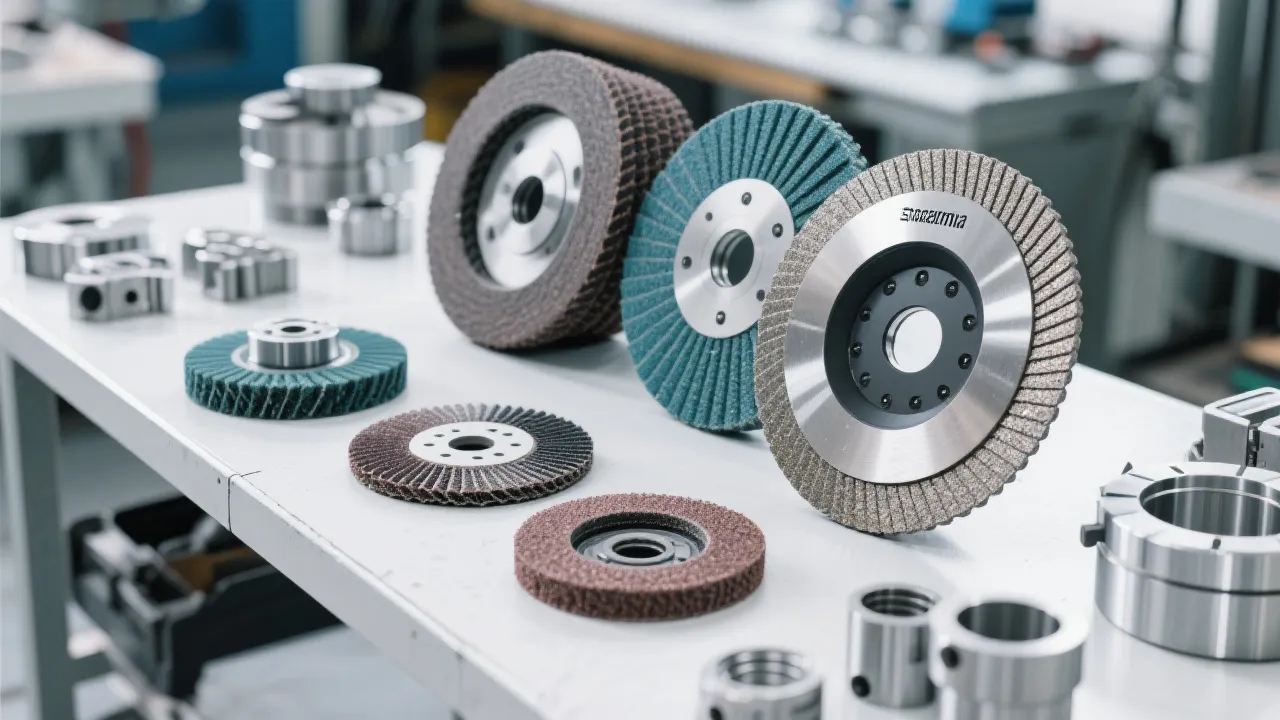
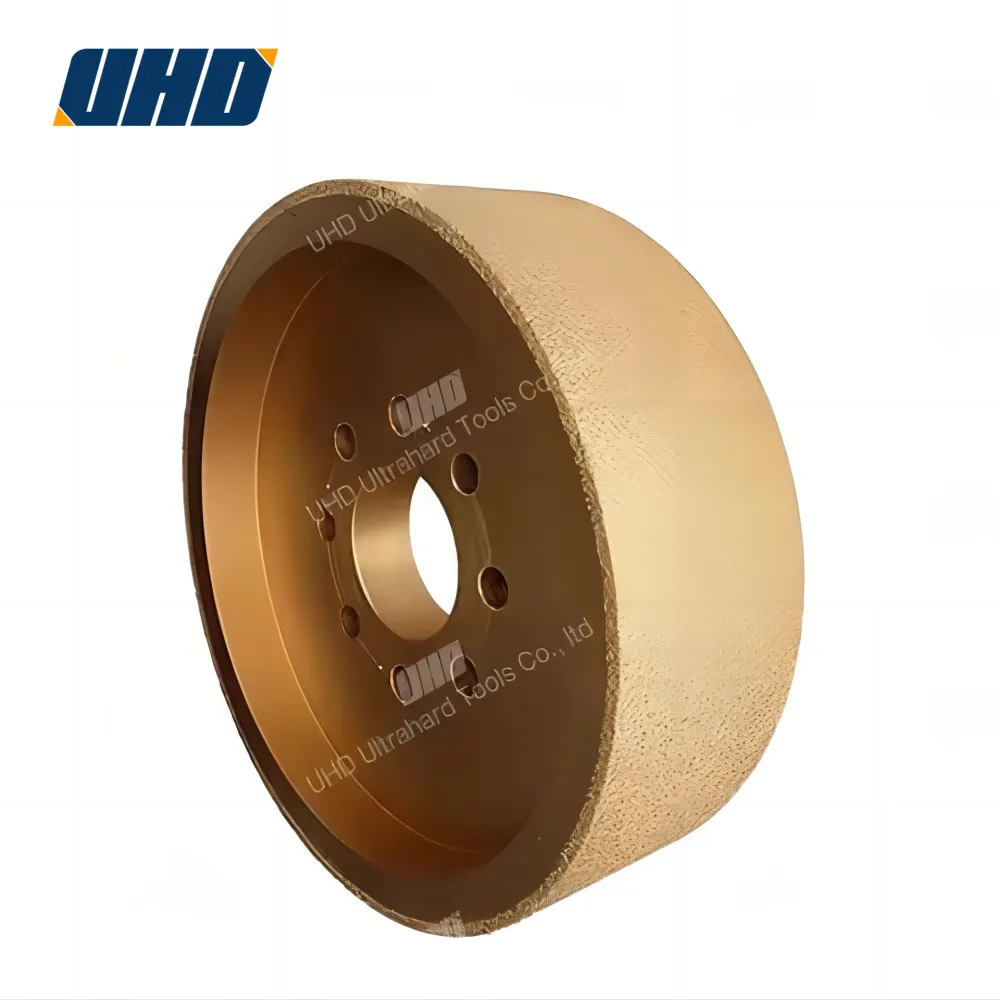
Comparing UHD's UDS 600M16 and UDS 400amp 80 Models

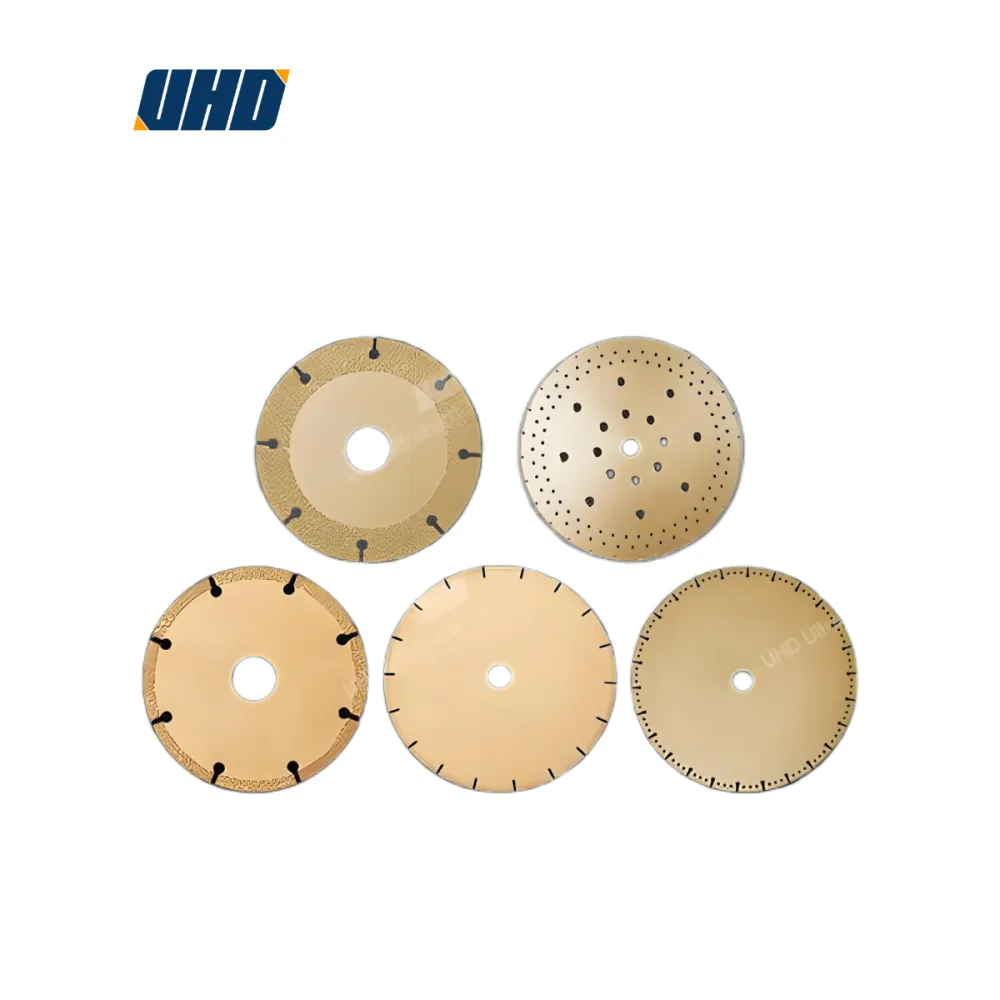
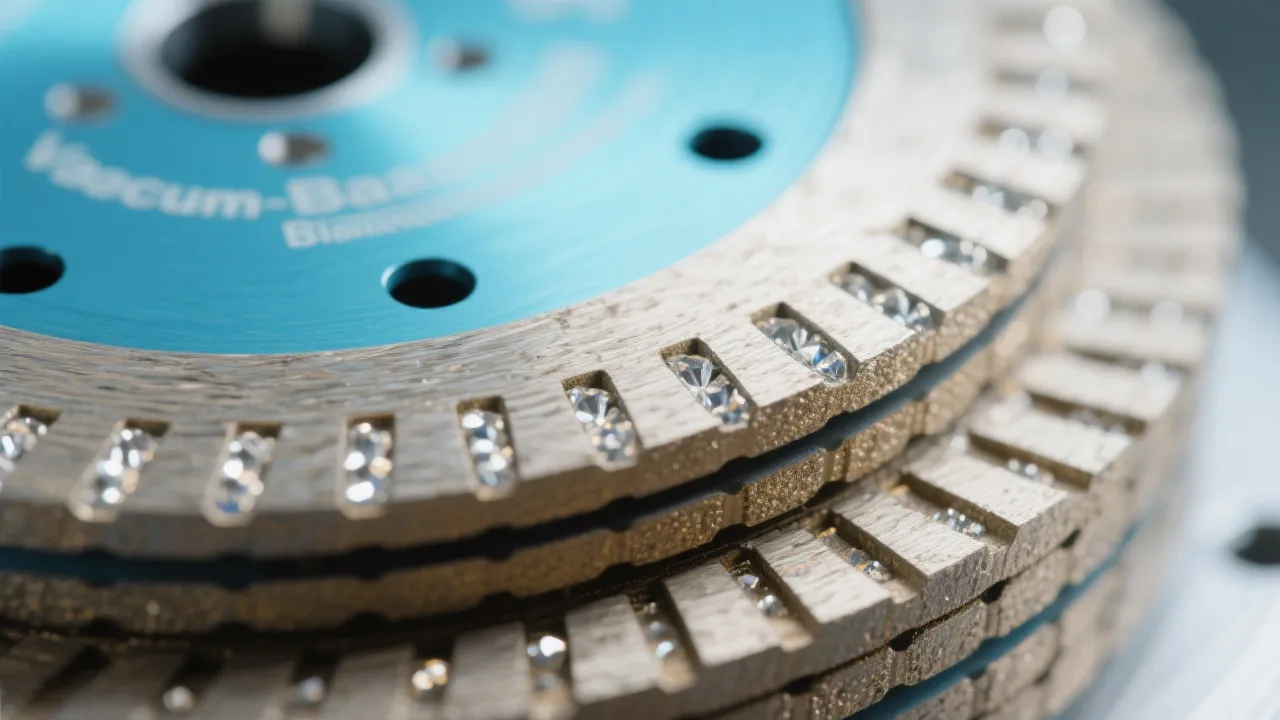
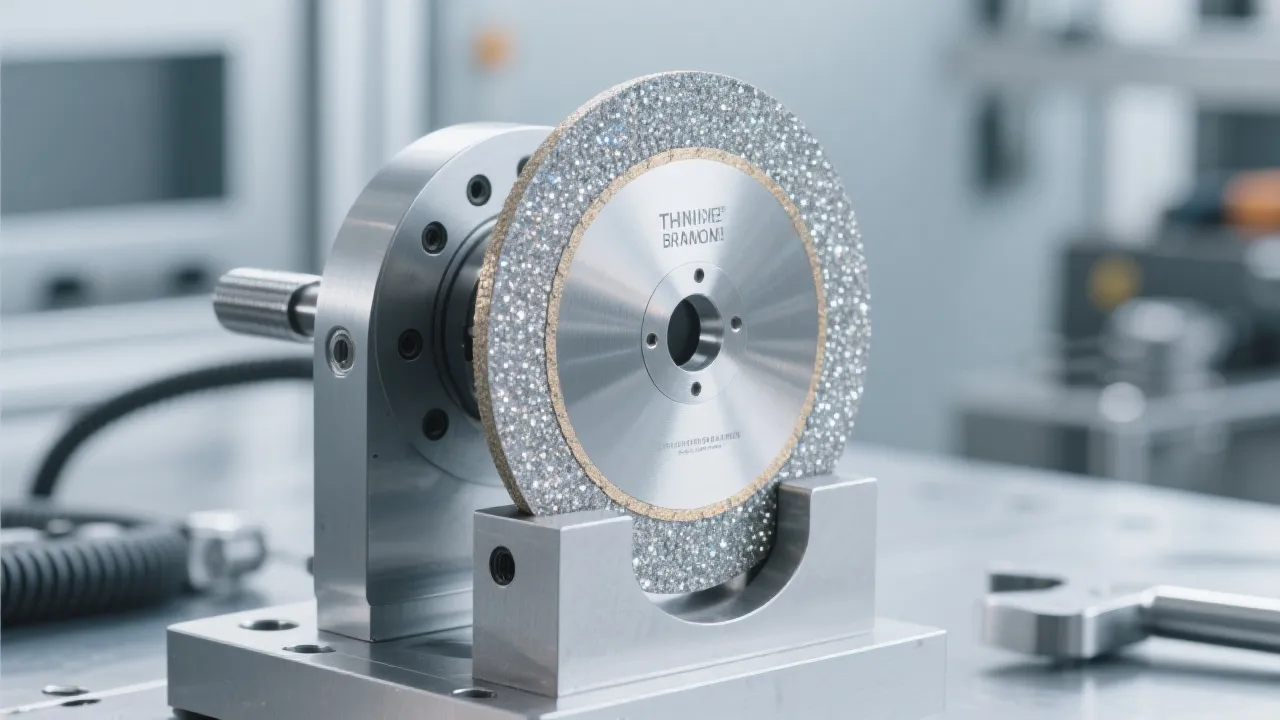
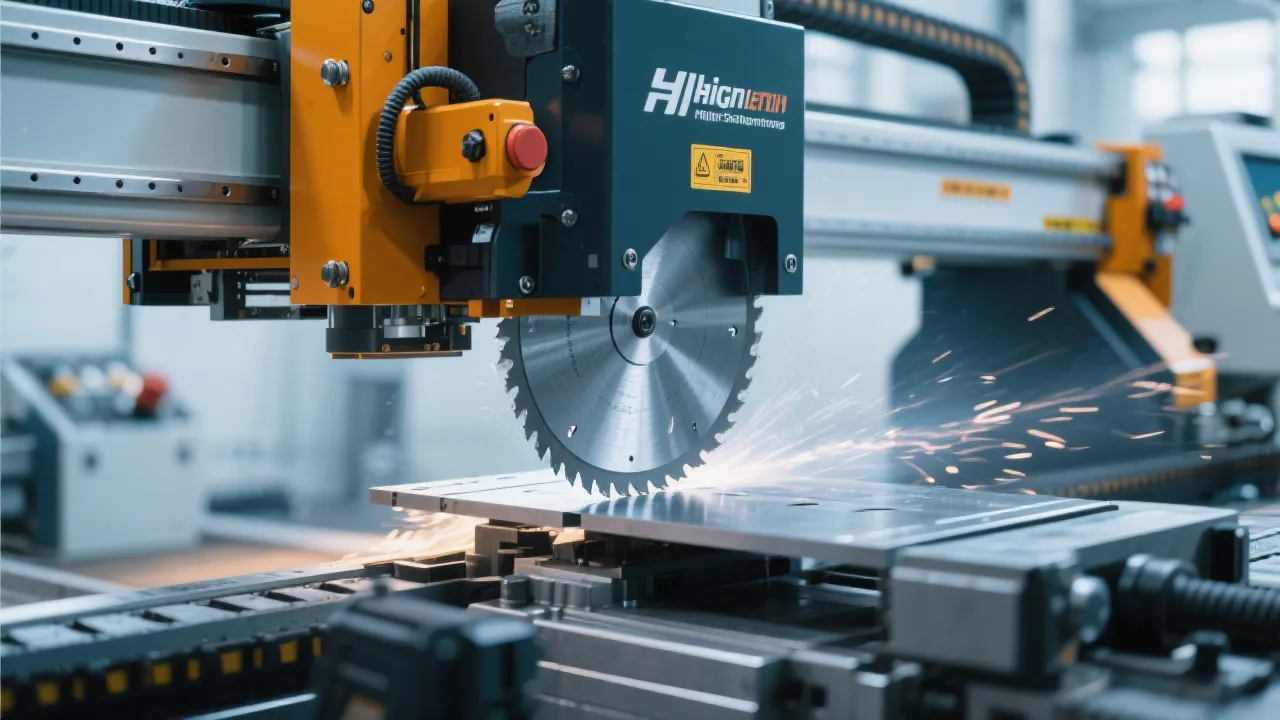
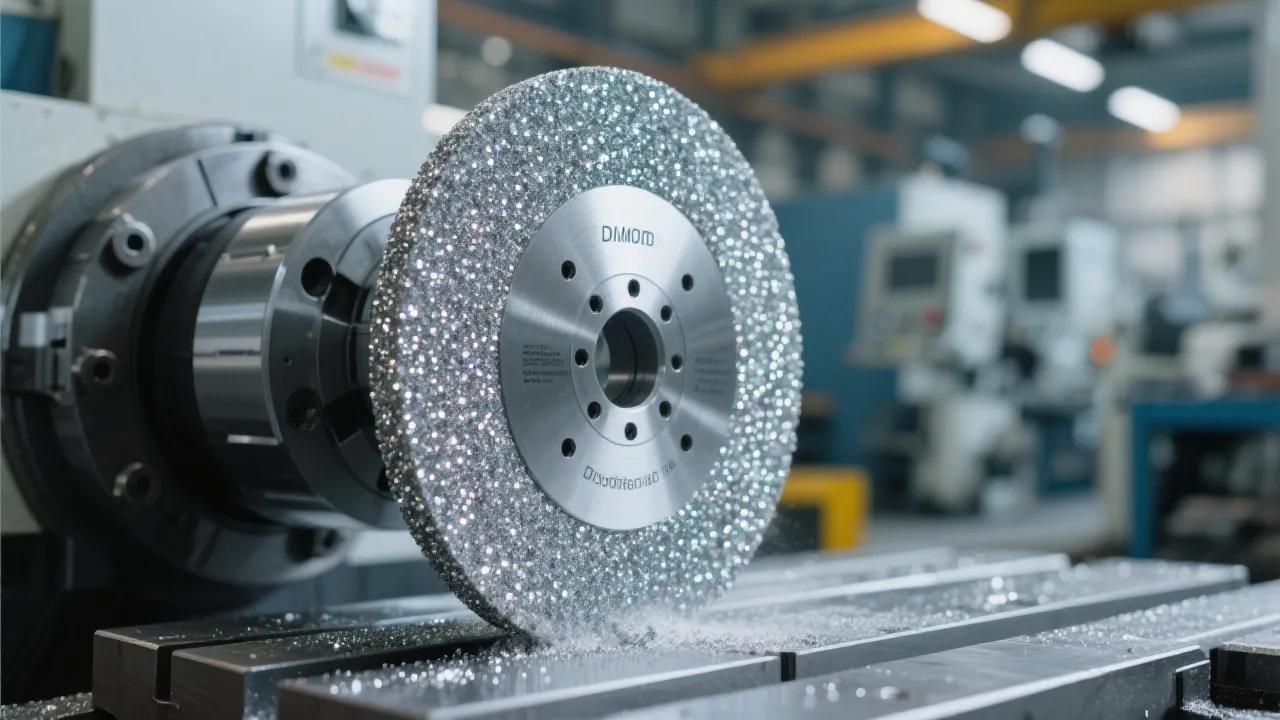
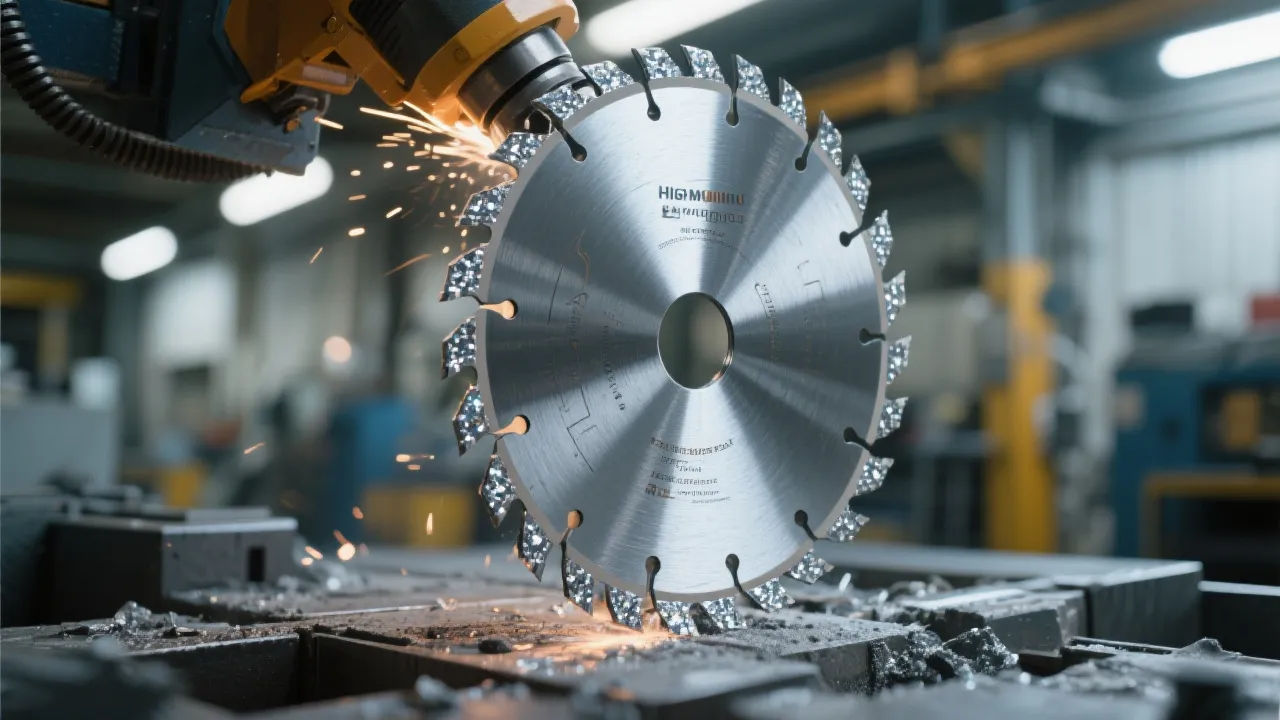
UHD’s UDS 600M16 is designed for high-speed cutting scenarios with top-tier vacuum brazing that secures diamond crystals for enhanced heat resistance. It excels in ultra-high power applications with rotational speeds pushing the upper limits of conventional blades.

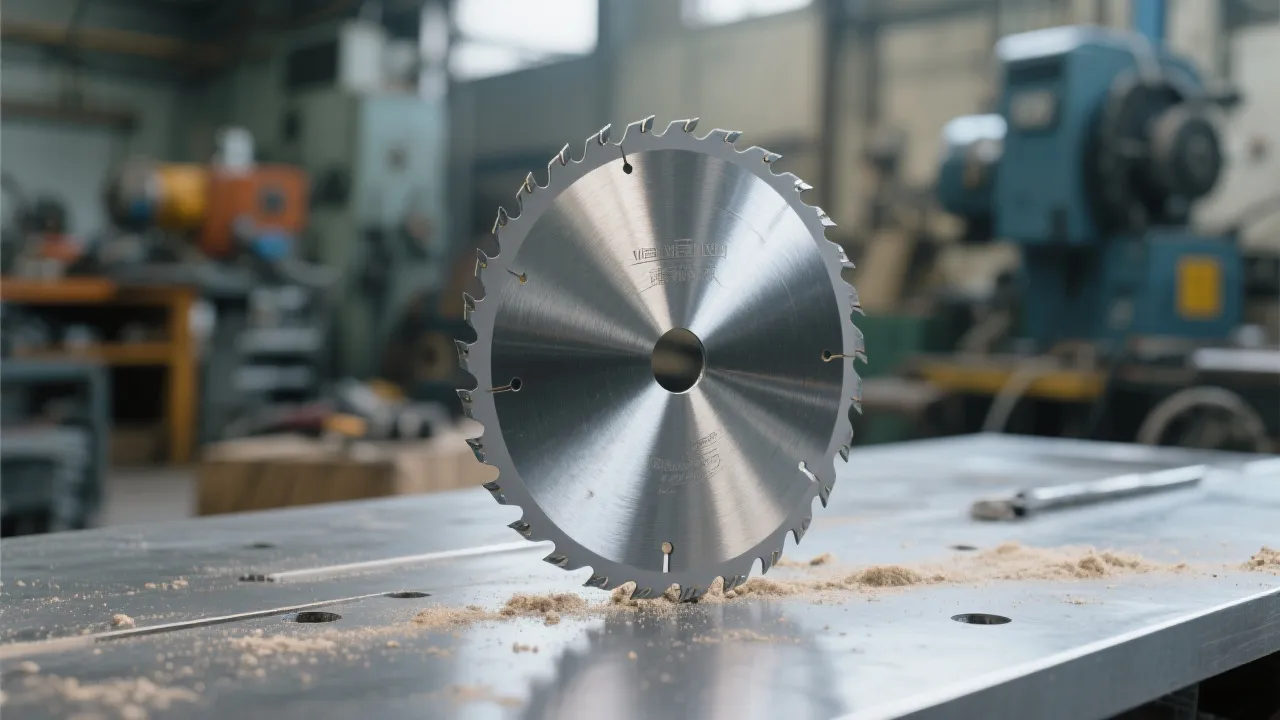
The UDS 400amp 80, by contrast, targets medium-speed ranges where mechanical load and heat are more balanced. Its segment matrix composition prioritizes wear resistance and dimensional stability, offering versatility for varied materials like ceramics or composites.

Knowing these distinctions helps you match the blade to your machine’s operating parameters, avoiding premature wear or structural failure.

Standardized Installation & Troubleshooting for Peak Performance

Correct installation is vital. Follow UHD’s recommended procedures: verify arbor fit clearance (tolerance ±0.05mm), use manufacturer-approved torque settings, and always run a balancing check before production startup. Poor mounting causes vibration and uneven wear.

  • Inspect blade and machine spindle for wear or damage prior to assembly.
  • Use clean, dry lubrication compatible with vacuum brazed blades.
  • Implement routine spindle runout checks to maintain concentricity within 0.01 mm.
Common fault signals to look out for: irregular sparks during cutting, blade overheating discoloration, and uneven cut profiles often indicate installation or cooling issues.

Maintenance Tips for Enhanced Safety and Longevity

To sustain cutting quality and reduce downtime, pay attention to:

  • Cooling system optimization: Ensure coolant is delivered consistently at the correct pressure (2.5-3.0 bar) and flow rate to prevent thermal damage.
  • Regular cleaning: Remove debris and residues after each shift to prevent segment fouling and maintain sharpness.
  • Proper storage: Store blades in controlled temperature (15-25°C) and humidity environments to avoid corrosion or rusting of the metal body.

Future Trends: Smarter, More Adaptive Cutting Solutions

Cutting-edge R&D is steering towards intelligent saw blades equipped with embedded sensors for real-time temperature and vibration monitoring. Adaptive control algorithms will dynamically adjust operating parameters, ensuring ideal cutting conditions and minimizing human error.

UHD is actively investing in these innovations, putting you at the forefront of the industrial cutting revolution by offering solutions that not only cut faster but smarter.

Name *
Email *
Message*

Recommended Products

Popular articles
Recommended Reading

Related Reading

Contact us
Contact us
https://shmuker.oss-cn-hangzhou.aliyuncs.com/tmp/temporary/60ec5bd7f8d5a86c84ef79f2/60ec5bdcf8d5a86c84ef7a9a/thumb-prev.png