
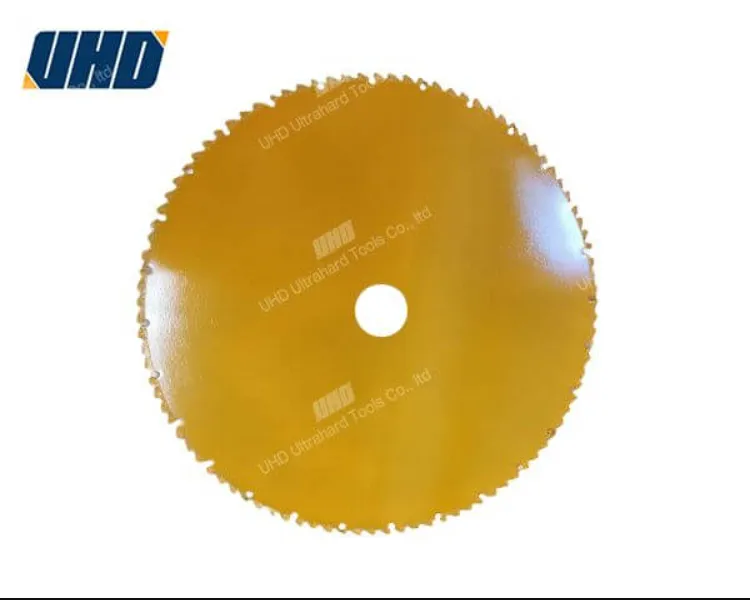
In today’s competitive foundry industry, operational efficiency and cost reduction remain top priorities. Diamond saw blades, enhanced by advanced vacuum sintering technology, offer a game-changing solution for casting processing, delivering unparalleled cutting precision, extended tool life, and fast throughput. This comprehensive guide explores the technical advantages of diamond blades in casting applications, particularly for gray and ductile cast irons, and provides actionable insights for industrial professionals seeking to optimize their manufacturing workflow.
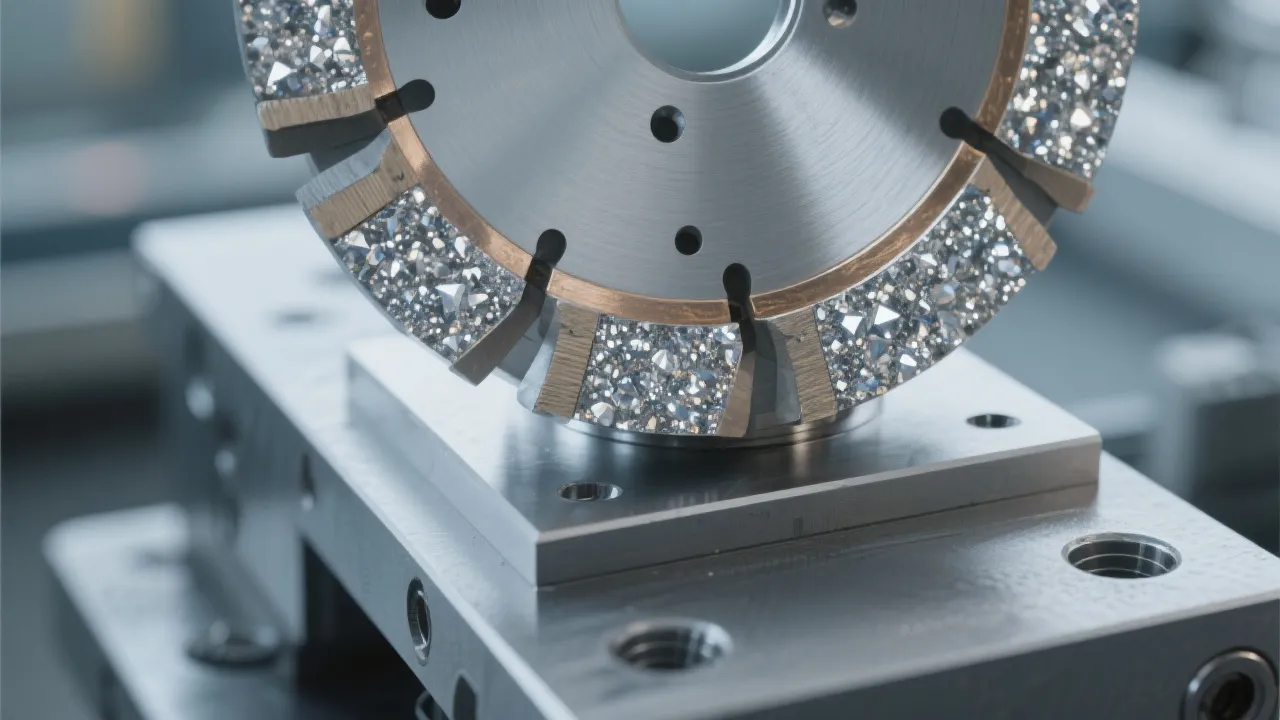
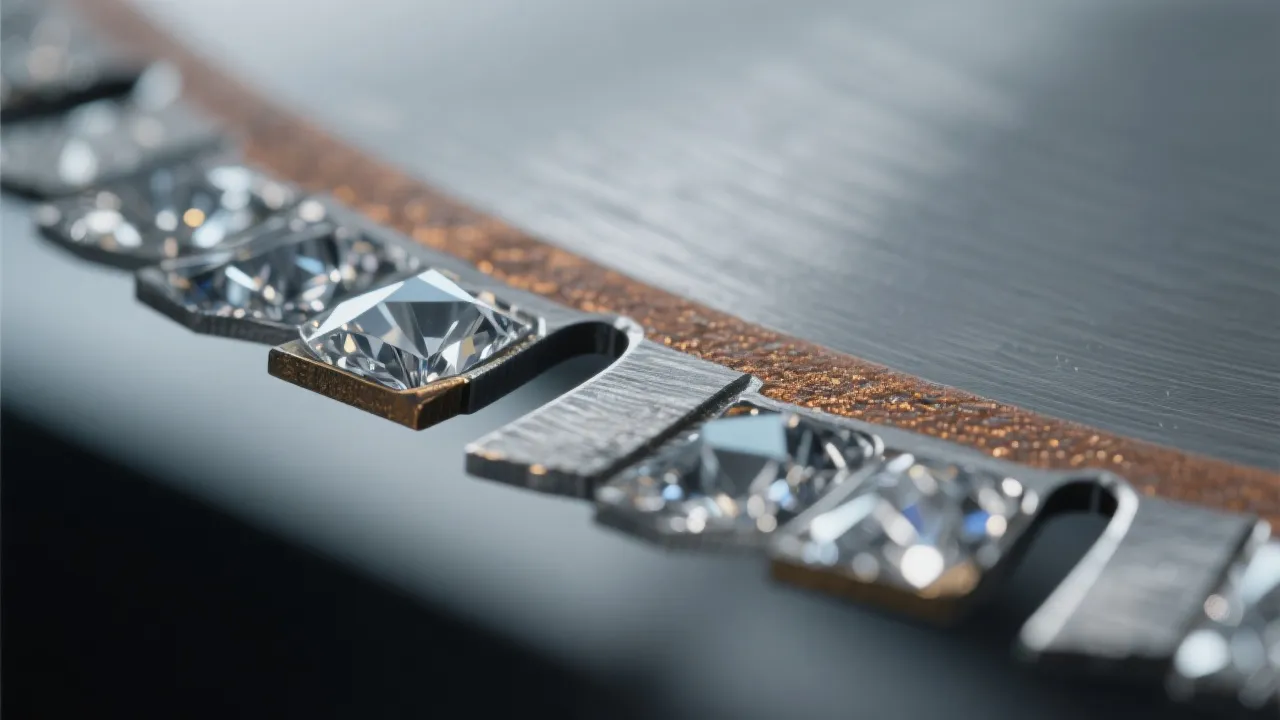
Vacuum sintering is a state-of-the-art manufacturing technique for superhard cutting tools, where diamond particles are bonded to the blade substrate in a controlled vacuum environment. This process ensures uniform microstructure, minimal contamination, and enhanced bonding strength, resulting in diamond saw blades that withstand extreme mechanical and thermal stresses during cutting.
Compared to conventional brazed or electroplated blades, vacuum-sintered diamond blades exhibit up to 30% longer tool life and 20% improved cutting accuracy. These metrics translate into fewer blade changes, reduced downtime, and consistent product dimensions, critical for maintaining tight manufacturing tolerances in casting operations.
Gray cast iron and ductile cast iron are widely used in automotive, machinery, and infrastructure components. Their diverse microstructures and hardness profiles often challenge conventional cutting tools with rapid wear and suboptimal finish quality.
Diamond saw blades tailored through vacuum sintering provide a precise cutting edge that minimizes micro-chipping and tool attrition. For gray cast iron, diamond blades reduce cutting forces by approximately 15%, resulting in smoother surface finishes and minimal thermal damage. Meanwhile, in ductile iron processing, these blades maintain dimensional accuracy within ±0.02 mm even during high-speed operations.
Selecting an appropriate diamond saw blade depends on several factors: the casting material hardness, saw machine RPM, and the desired surface finish. Typically, blades with diamond grit sizes ranging from 30 to 50 microns, combined with a vacuum-sintered bond matrix, offer an optimal balance of speed and durability.
Operators should adhere to controlled feed rates — 20% slower than conventional carbide blades — to extend blade life and prevent premature wear. Maintaining adequate coolant flow is essential to dissipate heat and avoid thermal degradation of both tool and casting surface.
Data accumulated from foundries utilizing vacuum-sintered diamond saw blades show an average reduction in tooling costs by up to 25% annually, driven by extended blade life—averaging 500 hours of cutting time per blade versus 350 hours for carbide alternatives.
Additionally, improved cut consistency reduces scrap rates by 12%, directly impacting operational efficiency and resource utilization. This economic benefit is particularly significant in high-volume casting environments where downtime for tool changes heavily impacts productivity.
A European automotive casting supplier reported a 35% increase in cut throughput after switching to vacuum-sintered diamond blades. Their production line, cutting ductile iron components, experienced enhanced surface finish quality measured by a 15% reduction in surface roughness (Ra), contributing to higher acceptance rates downstream.
Another case in Asia focused on gray cast iron pipe manufacturers saw a 20% decrease in tooling maintenance intervals, allowing the operation to shift from reactive to planned maintenance with significant labor cost savings.
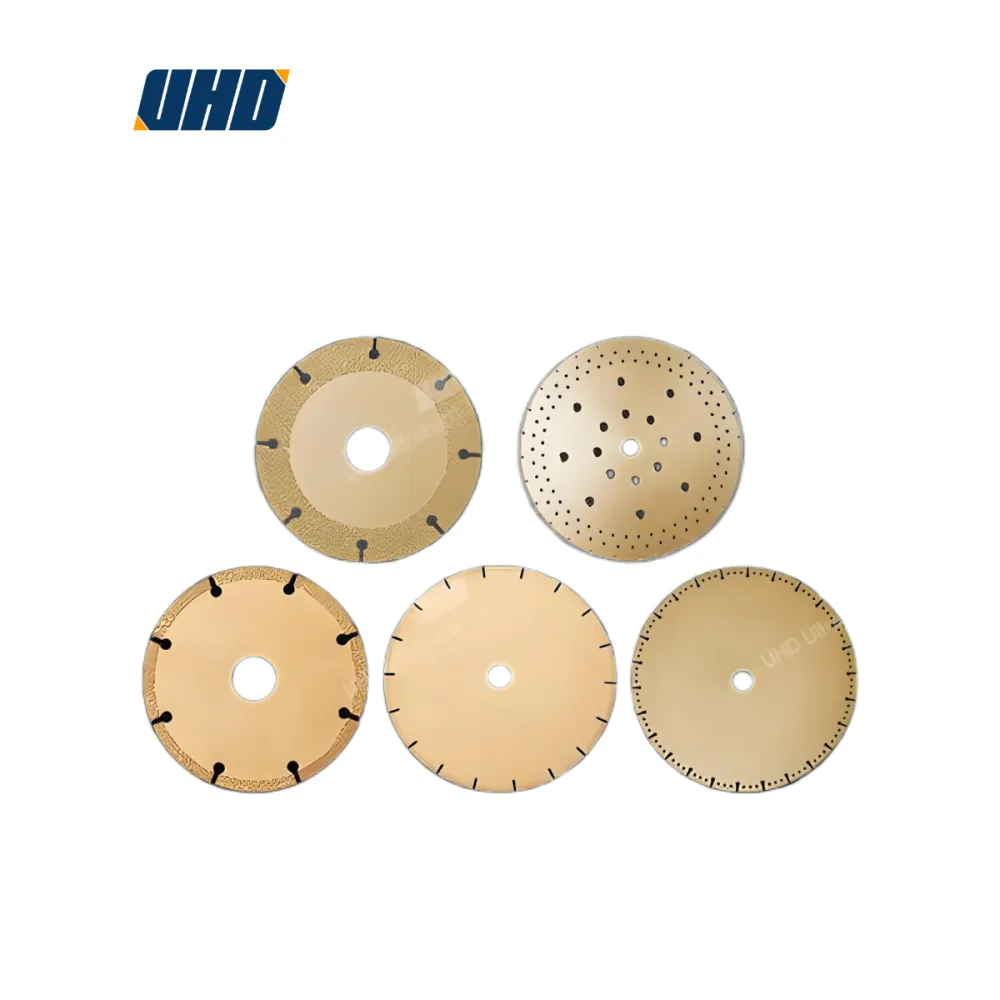
Recognizing the variance in foundry requirements, leading blade manufacturers now offer tailored diamond saw blade solutions based on customer specifications including casting type, machine compatibility, and production volume. Customization options include grit size, bond hardness, blade diameter, and segment design to optimize performance.
Enterprises can leverage these bespoke products alongside expert technical consultation, ensuring their investment aligns precisely with operational goals and driving continuous manufacturing excellence.
Emerging trends in diamond saw blade technology include integration of nanodiamond coatings and hybrid vacuum sintering techniques, aiming at further boosting wear resistance and thermal stability. Digitally monitored tool condition systems also enable predictive maintenance, maximizing uptime.
As casting standards increasingly demand tighter tolerances and lower production costs, diamond saw blades’ role as a reliable cutting asset is set to expand with innovations customized for even the most demanding industrial applications.

.png?x-oss-process=image/resize,h_1000,m_lfit/format,webp)



.png?x-oss-process=image/resize,h_1000,m_lfit/format,webp)






