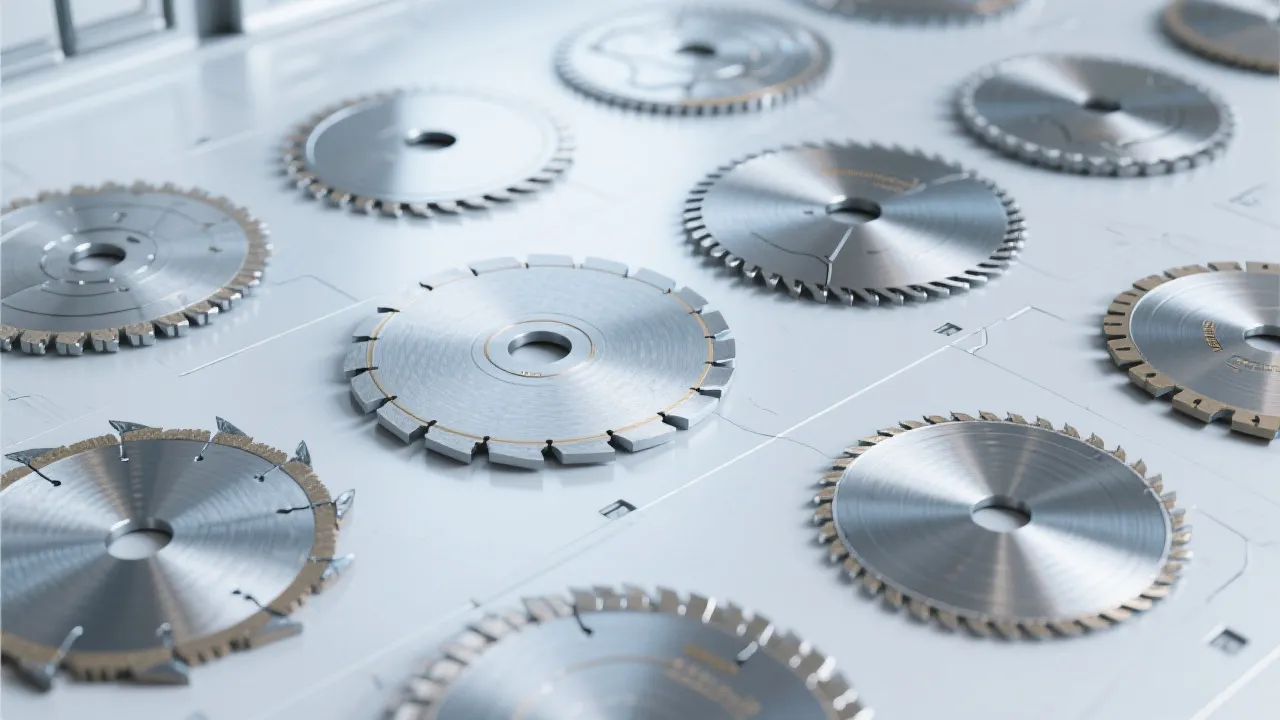
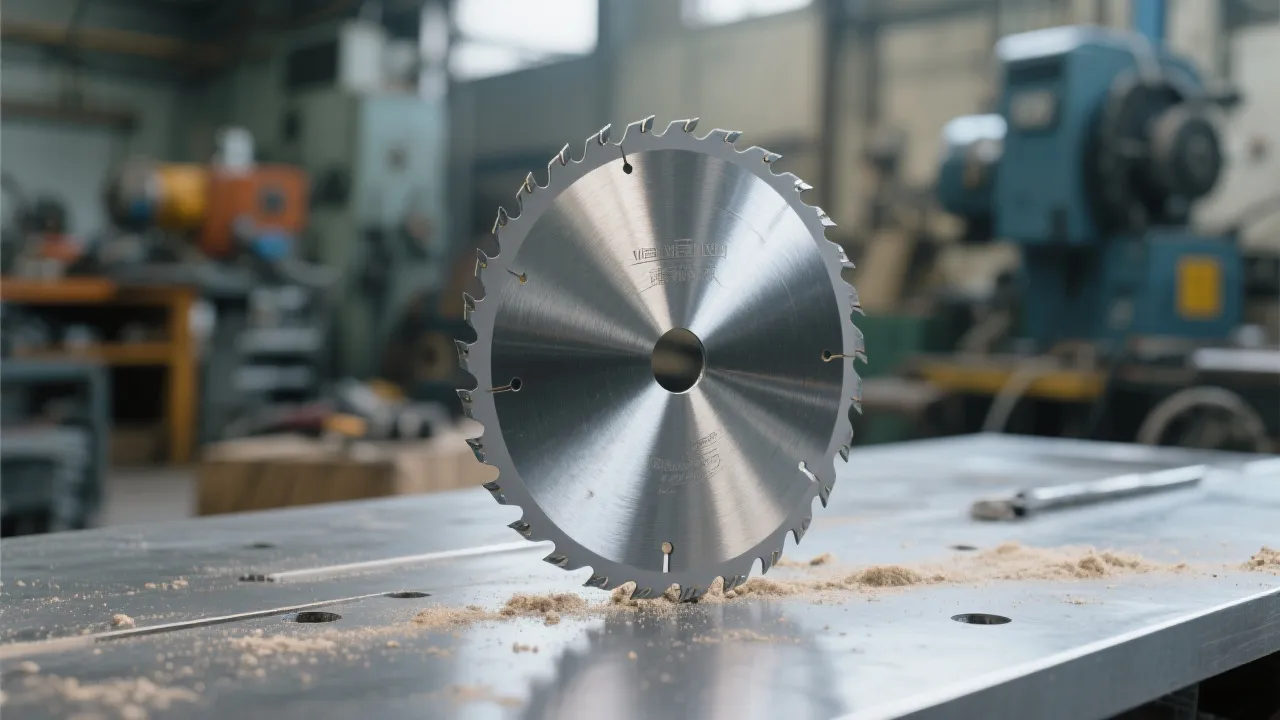
Grinding Tool Selection Guide for Metalworking: Enhancing Quality Based on Material Characteristics
10 03,2026
Technical knowledge
Selecting the right grinding tools in the metalworking industry is crucial for improving machining quality and production efficiency. This article systematically explores methods to optimize grinding tool selection according to material properties and processing requirements. It highlights the technical advantages and application scenarios of UHD Ultra-Hard Materials Co., Ltd.'s vacuum brazed diamond grinding wheels. Through detailed technical analysis and real-world case studies, the guide supports engineers and decision-makers in making data-driven choices to achieve high-efficiency, environmentally friendly deburring and precision machining, ultimately enhancing overall processing quality and economic benefits.
Grinding Tool Selection Guide in Metalworking: Enhancing Quality through Material-Specific Solutions
In the metalworking industry, the precision and efficiency of grinding operations are profoundly influenced by the selection of appropriate grinding tools. Correctly matching grinding tools to the material characteristics and processing requirements not only improves surface quality but also optimizes productivity and cost-effectiveness. This article provides a detailed technical overview of grinding tool selection, emphasizing UHD’s vacuum brazed diamond grinding wheel — a pioneering solution tailored for demanding metal deburring and precision finishing tasks.
The Critical Role of Grinding Tools in Metal Processing
Grinding tools are indispensable in achieving fine surface finishes, dimensional accuracy, and reliable part performance in metal fabrication. Their wear resistance, sharpness, and compatibility with metal substrates determine the final product quality and process efficiency. Improper tool selection can lead to excessive tool wear, thermal damage to components, and suboptimal machining results.
Material-Specific Challenges: Gray Cast Iron and Ductile Iron
Gray cast iron and ductile (nodular) iron are commonly used in industrial parts due to their mechanical properties and cost efficiency, yet each poses unique grinding challenges:
- Gray Cast Iron: Characterized by a brittle matrix with graphite flakes, it tends to produce abrasive dust and vibration, complicating deburring and surface finishing.
- Ductile (Nodular) Iron: Exhibiting higher ductility and tensile strength, its toughness demands grinding wheels with superior cutting ability and toughness to prevent burn marks and tool degradation.
Both materials require grinding tools that maintain sharpness and resist clogging to achieve consistent, clean edges at high process speeds.
Technical Advantages of UHD’s Vacuum Brazed Diamond Grinding Wheel
Vacuum brazing technology, as employed by UHD, fuses diamond abrasives directly onto a metal core in a controlled vacuum environment. This method imparts several performance benefits:
| Technical Feature |
Benefit |
| Vacuum Brazing Process |
Strong diamond-to-metal bond ensuring high durability and stable abrasive retention. |
| Ultra-High Sharpness Tools |
Consistent cutting edges reduce friction and thermal damage during grinding. |
| Extended Lifespan |
Tool life up to 3x longer than conventional grinding wheels, minimizing replacement downtime. |
| Environmentally-Friendly Design |
Dust-free, low-noise operation supports workplace safety and regulatory compliance. |
| Versatile Application Compatibility |
Optimized for gray iron, ductile iron, and various superhard materials. |
Case Study: Enhancing Deburring Efficiency with UHD’s Diamond Grinding Wheels
A leading automotive component manufacturer in Europe integrated UHD’s vacuum brazed diamond grinding wheels for deburring gray cast iron brake disc blanks. The resulting improvements included:
- Productivity Increase: 25% reduction in grinding cycle time due to enhanced cutting sharpness.
- Tool Longevity: Grinding wheels lasted three times longer, reducing tooling costs by 40% over six months.
- Quality Improvement: Superior surface finish with 30% fewer post-process inspections required.
- Environmental Impact: Significant reduction in grinding dust emission, contributing to workplace safety compliance.
Guidelines for Selecting Grinding Tools Based on Material and Processing Needs
To optimize grinding outcomes, consider the following factors when choosing grinding wheels for metalworking:
- Material Hardness and Toughness: Select abrasives with adequate hardness; diamond abrasives excel for difficult-to-machine cast irons.
- Surface Finish Requirements: Ultra-fine grit sizes achieve better surface smoothness but may reduce tool life.
- Thermal Sensitivity: Low-friction tools reduce heat generation, critical for temperature-sensitive alloys.
- Environmental and Safety Standards: Dust-suppressed or dust-free wheel designs help meet workplace regulations.
- Machine Compatibility: Ensure wheel size, bonding type, and speed ratings match equipment specifications.
Using UHD’s vacuum brazed diamond grinding wheels, engineers can effectively handle complex material profiles while minimizing operational disruptions.
Data Insight: Performance Comparison of Grinding Tools on Ductile Iron
| Tool Type |
Average Tool Life (hours) |
Surface Roughness (Ra, μm) |
Dust Emission (mg/m³) |
| Conventional Resin Bonded Wheel |
10 |
1.5 |
240 |
| UHD Vacuum Brazed Diamond Wheel |
30 |
0.9 |
60 |
The data clearly demonstrates UHD’s vacuum brazed diamond wheels outperform traditional resin bonded wheels with triple tool life, improved finish, and significantly reduced particulate emissions.
Best Practices for Maintenance and Use to Maximize Grinding Efficiency
To sustain optimum grinding tool performance, users should adhere to the following guidelines:
- Regularly inspect wheels for abrasive grain loss and rebalance to avoid uneven wear.
- Maintain recommended speeds and feeds to prevent overheating and premature tool failure.
- Implement proper dressing protocols to restore sharpness without compromising bonding integrity.
- Ensure clean and well-ventilated working conditions to extend tool life and operator safety.
Enhance Your Metal Processing Precision Today

.png?x-oss-process=image/resize,h_1000,m_lfit/format,webp)
.png?x-oss-process=image/resize,h_1000,m_lfit/format,webp)