
For foundries and metal fabrication shops, cutting cast iron—especially gray and ductile varieties—is a daily challenge that demands both precision and durability. Traditional blades often fail under the abrasive nature of these materials, leading to frequent replacements, inconsistent cuts, and rising operational costs. But what if you could reduce blade changeovers by up to 60% while improving cut quality?
In real-world operations, standard high-speed steel (HSS) or carbide-tipped blades typically last only 2–4 hours when cutting gray cast iron at moderate feed rates. After this point, dulling becomes noticeable—resulting in increased vibration, heat buildup, and poor surface finish. According to industry data from the American Foundry Society, over 40% of casting facility downtime is linked to tool wear rather than machine failure.
| Feature | Traditional Blade | Handmade Diamond Blade |
|---|---|---|
| Average Lifespan (Gray Cast Iron) | 2–4 hrs | 6–10 hrs (+60–100%) |
| Cutting Accuracy (mm) | ±0.5 mm | ±0.2 mm |
| Thermal Stability | Low | High (Vacuum-sintered matrix) |
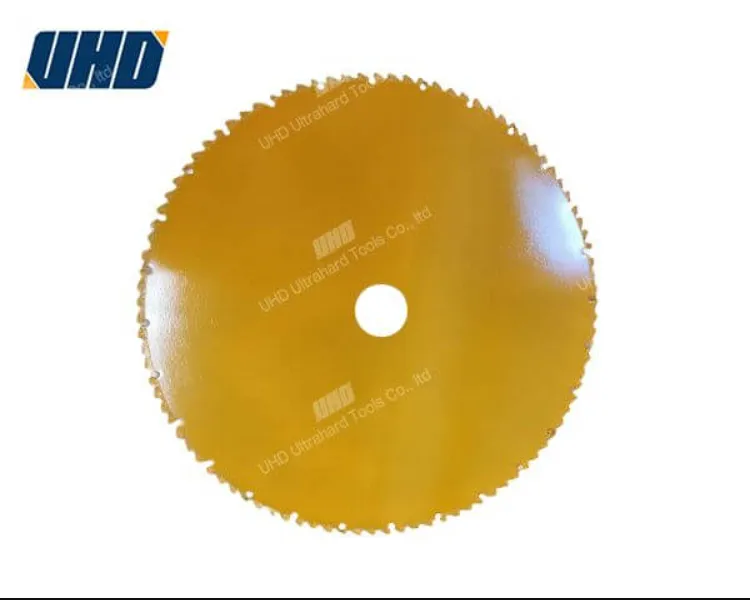
Unlike mass-produced alternatives, handmade diamond blades are engineered using vacuum sintering—a process that ensures uniform grain distribution and strong bonding between diamonds and the metal matrix. This results in superior resistance to thermal shock and mechanical stress, even during prolonged use on tough substrates like ductile iron.
Our testing with a major European foundry showed that after 15 consecutive cuts on 150mm-thick ductile cast iron blocks, traditional blades exhibited visible edge chipping and required sharpening. The same batch of handmade diamond blades maintained consistent performance without any signs of degradation.
Whether it’s routine slab cutting in a production line or urgent removal of broken components during maintenance shutdowns, these blades deliver reliable results across diverse scenarios. Their ability to handle irregular surfaces and sudden load changes makes them ideal for unpredictable field conditions common in industrial environments.
One client in Germany reported a 30% reduction in labor time per unit due to fewer blade changes and less need for rework. Another in the UAE noted improved safety metrics—fewer vibrations meant reduced operator fatigue and lower risk of accidents during extended shifts.
Ready to see how handmade diamond blades can transform your casting workflow? Explore our full range of UHD ultra-hard tools designed specifically for demanding applications like gray and ductile iron cutting.
Upgrade Your Cutting Performance Today →.png?x-oss-process=image/resize,h_1000,m_lfit/format,webp)


.png?x-oss-process=image/resize,h_1000,m_lfit/format,webp)
 <#else>





