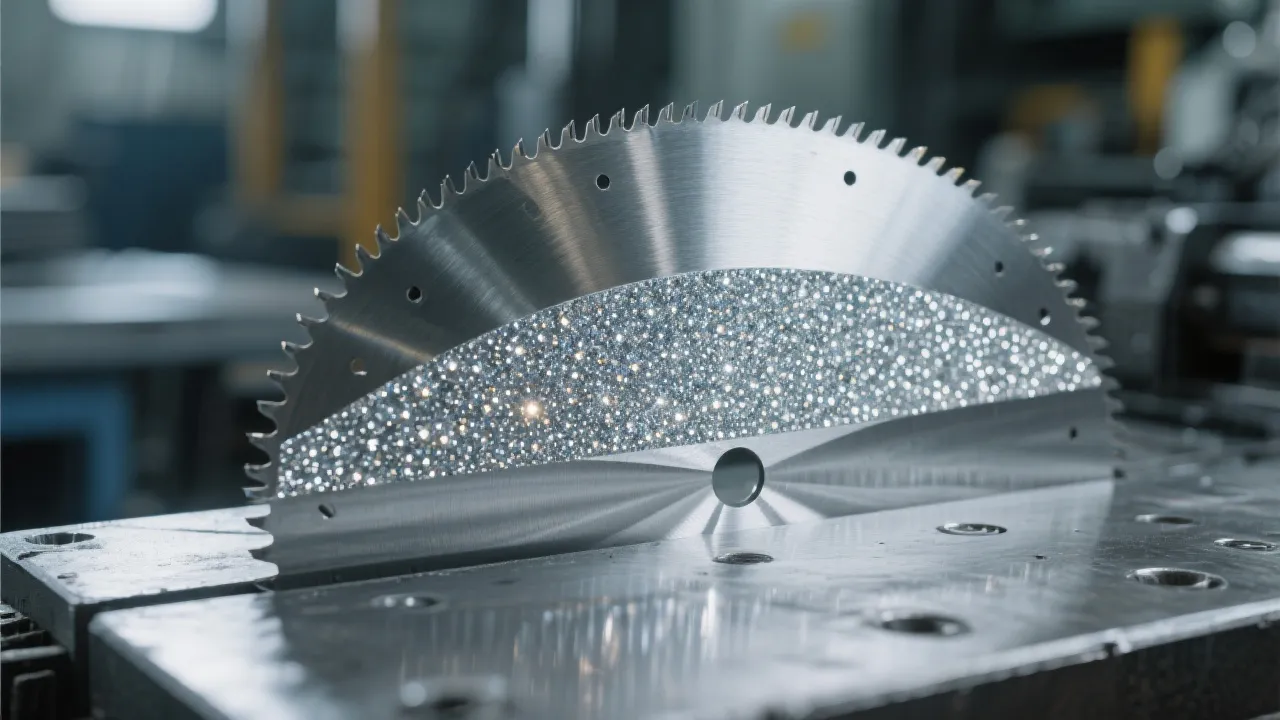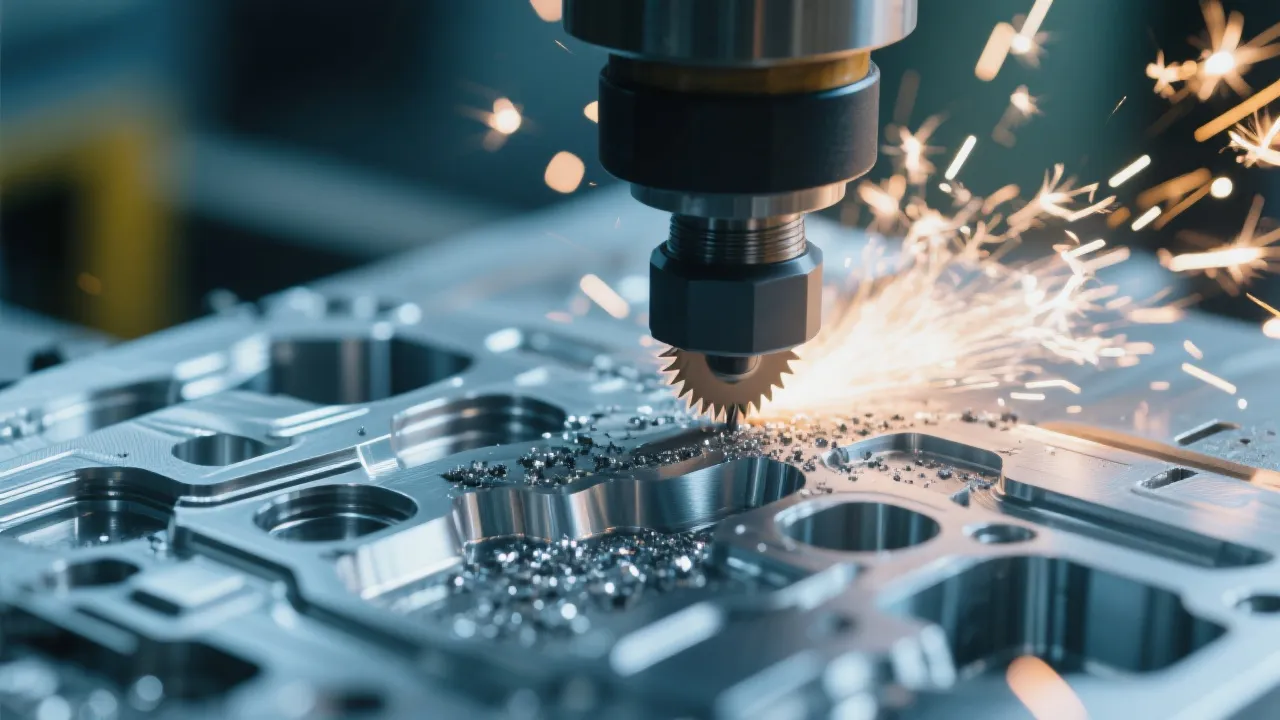
In the realm of metal machining, choosing the right grinding tool significantly influences both the quality of the finished product and operational efficiency. This selection process hinges on a deep understanding of the physical and chemical properties of the metals involved, alongside specific processing requirements such as deburring and high-precision finishing. For engineers and technical decision-makers, recognizing the interplay between material traits and grinding tool performance is critical to optimizing production workflows.
Different metal categories, notably varying grades of steel and cast iron, present distinct challenges for grinding operations. For instance, gray cast iron is characterized by brittleness and a graphite-rich microstructure, which demands grinding tools that minimize thermal damage and surface microfractures. In contrast, ductile cast iron, such as ductile (spheroidal graphite) iron, requires tools with enhanced toughness and wear resistance to handle its toughness and abrasive graphite nodules.
Key material factors influencing grinding tool choice include hardness, tensile strength, thermal conductivity, and chemical reactivity. These factors determine not only the grinding wheel's abrasive composition but also its bonding technique and structure. Utilizing inappropriate tools can lead to inferior surface quality, premature wheel wear, and increased processing time, ultimately inflating costs and limiting throughput.
Evaluating grinding tools involves examining parameters such as sharpness (cutting efficiency), wear resistance (tool lifespan), and environmental impact (dust and pollution levels). Sharpness directly affects the tool's ability to remove material rapidly without inducing excessive heat or vibrations. Wear resistance ensures consistent performance across extensive production runs, while minimizing downtime for tool replacement.
For example, tools with high sharpness can reduce grinding forces by up to 30%, resulting in dimensional improvements and surface finishes quality gains by a factor of 1.5. Meanwhile, durability directly correlates with total cost of ownership; tools offering a lifespan multiple times longer than standard abrasives reduce consumable frequency, waste, and labor.

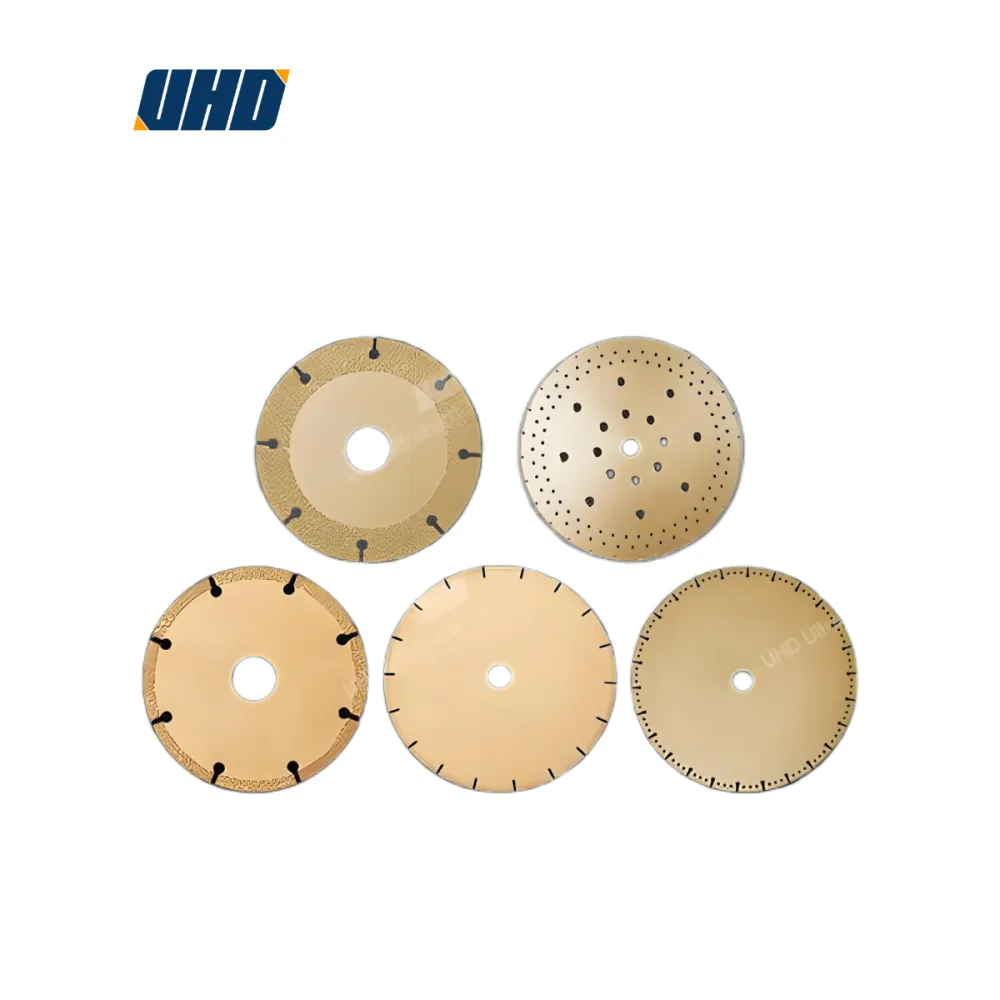
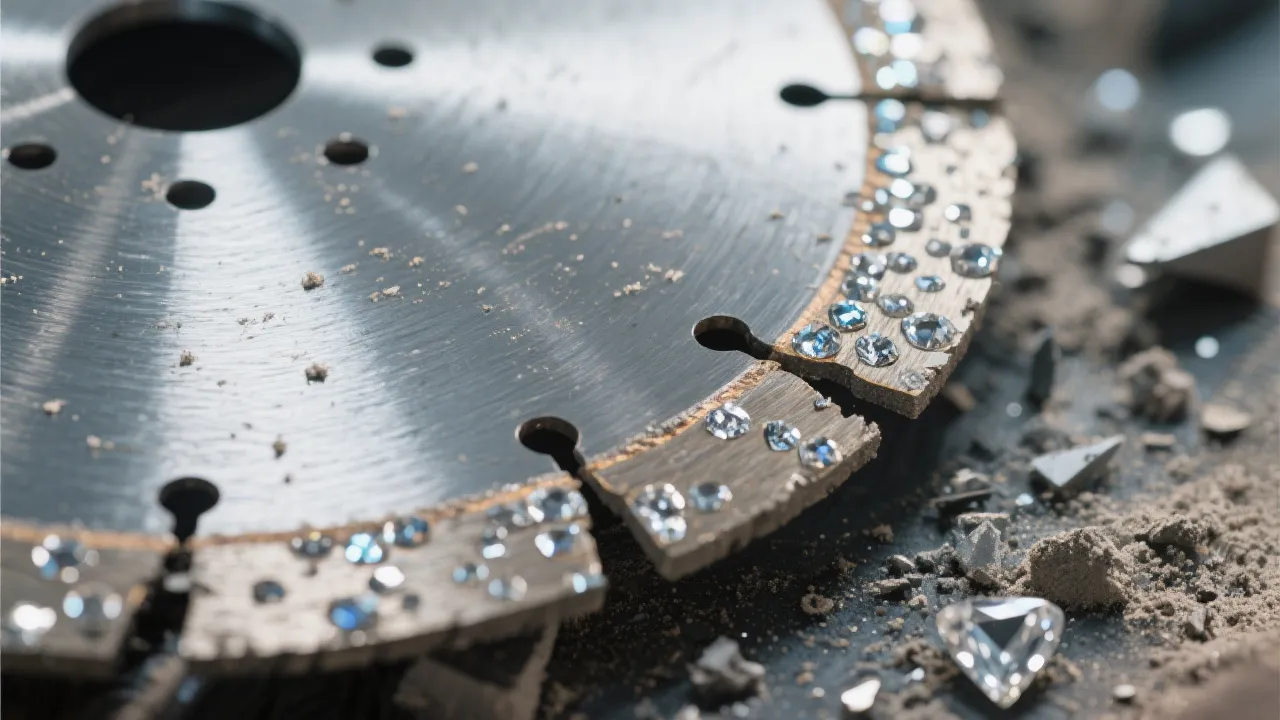
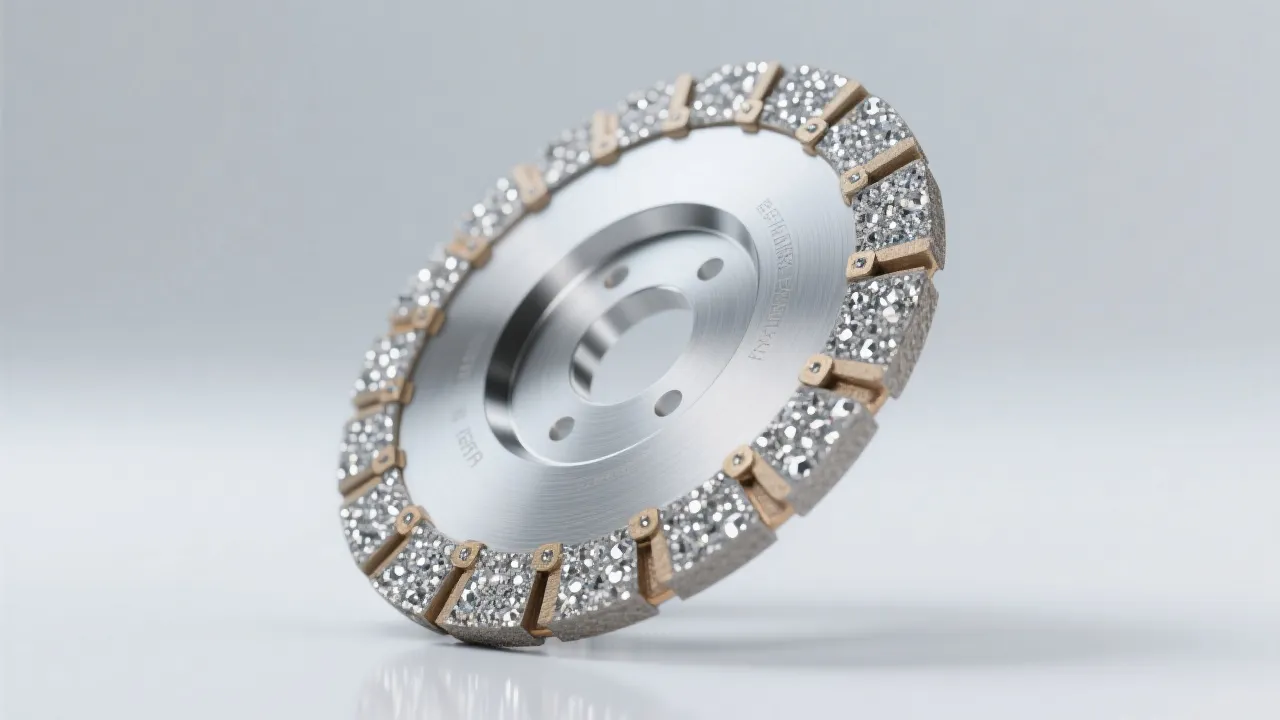
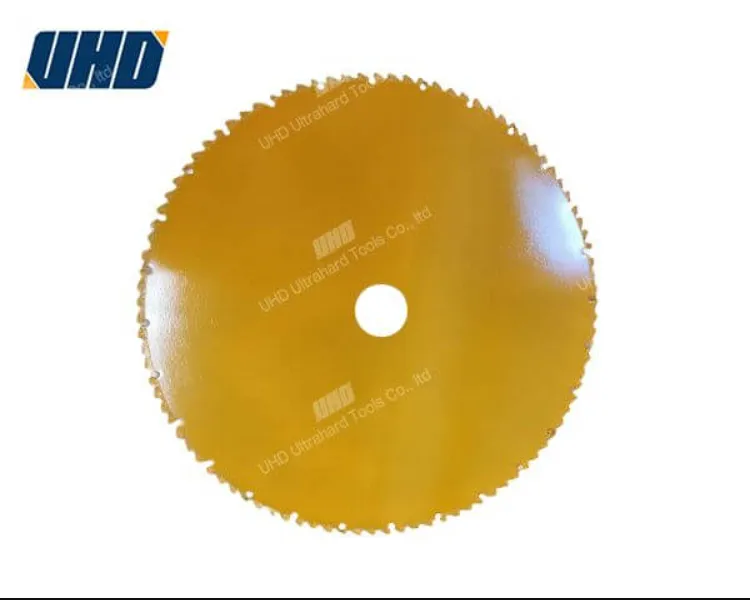
UHD's vacuum brazed diamond grinding wheels exemplify state-of-the-art grinding tool technology. The vacuum brazing process enables an ultra-precise and robust bonding of diamond abrasives to the tool substrate, delivering unparalleled sharpness and tenfold lifespan improvement compared to conventional resin-bond wheels. This technology shines in applications such as gray cast iron and ductile cast iron deburring, where traditional wheels typically underperform due to premature wear and clogging.
Because of their exceptionally sharp diamond edges and high hardness, these wheels reduce grinding forces and heat generation by approximately 25%, thus preventing thermal cracks and preserving workpiece integrity. Additionally, their design fosters a dust-free grinding environment, aligning with increasingly stringent environmental and workplace safety regulations.
In large-scale metal parts factories, UHD vacuum brazed diamond grinding wheels have been implemented for deburring cast iron automotive components. Compared to conventional abrasives, they achieve a threefold increase in abrasive sharpness and maintain peak performance across 100+ hours of continuous operation — a hundredfold increase in service life documented through in-plant trials.
Operators report improved machining consistency, requiring fewer wheel changes and reducing overall cycle times by up to 20%. Surface finish measurements reveal enhanced smoothness with average roughness (Ra) values decreasing from 1.2 μm to 0.6 μm. This directly reduces post-processing rework and scrap rates, positively impacting the plant’s operational efficiency and profitability.
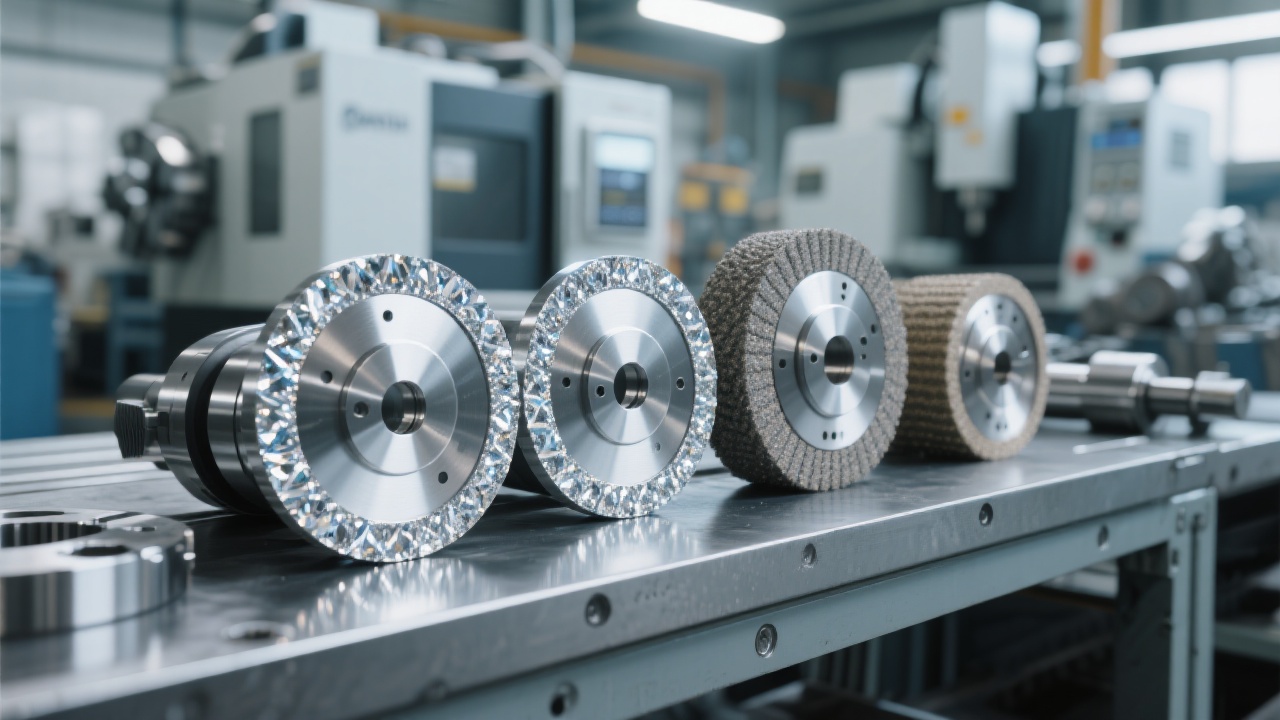
Beyond performance, UHD’s grinding wheels incorporate environmentally conscious, dust-free designs. This innovation significantly reduces airborne particulate emissions, improving worker health and adhering to industrial hygiene standards globally. The reduced dust generation also minimizes equipment contamination, lowering maintenance costs.
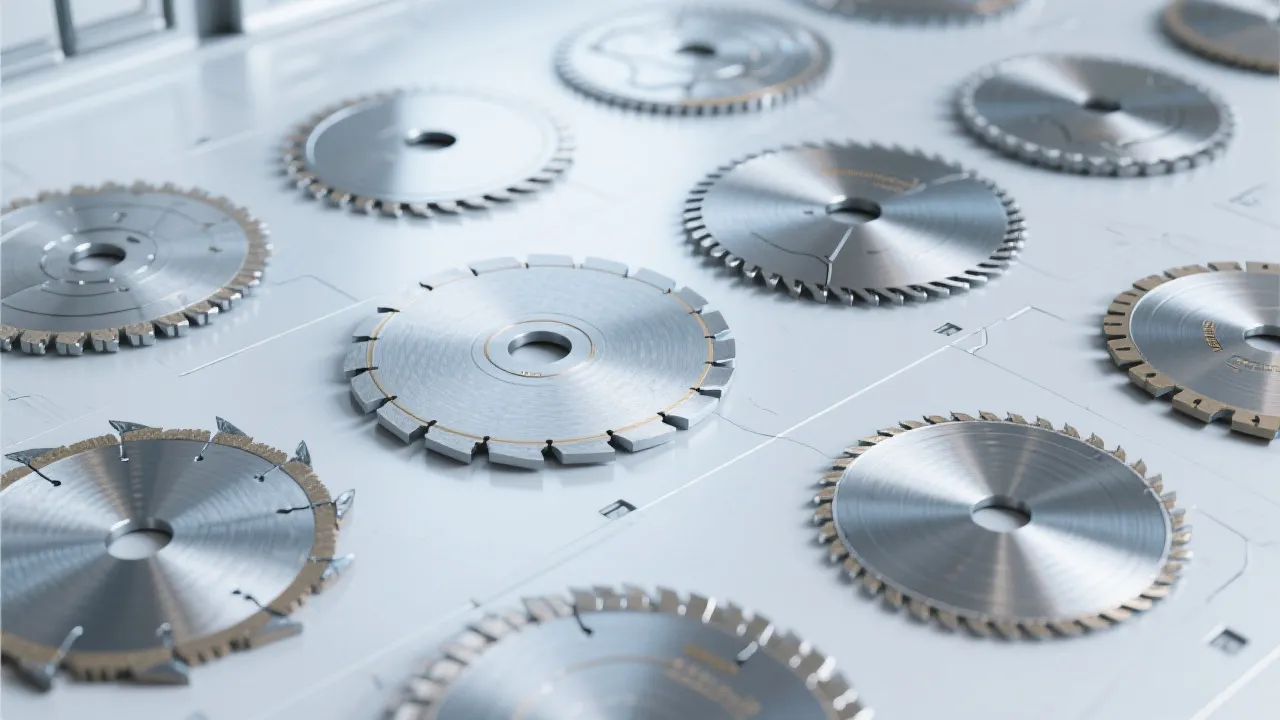
Moreover, UHD provides multiple product specifications and can tailor grinding wheels for bespoke machining requirements. Custom bonds, grit sizes, and dimensions cater to diverse metal types and processing conditions, empowering producers to precisely match their tool to their workflow demands. This flexibility is essential as market demands evolve and production complexity rises.
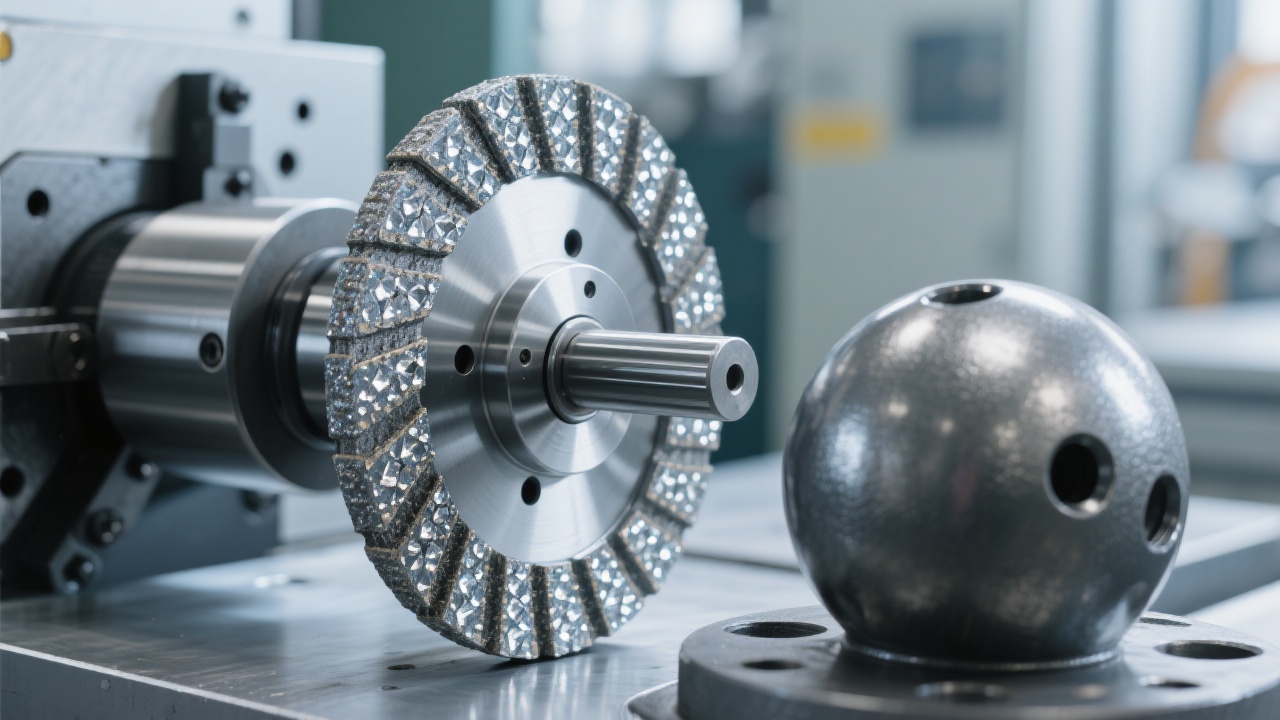
For metal processing engineers seeking to optimize grinding operations, it is recommended to start by thoroughly assessing the specific material characteristics and required surface finish. Following this, evaluate grinding wheel parameters such as abrasive type, bond method, grit size, and porosity. UHD’s vacuum brazed diamond grinding wheels stand out as an excellent choice for challenging metal types like cast irons, balancing superior sharpness, longevity, and sustainability.
Incorporating field feedback and trial data ensures the chosen tool delivers measurable benefits. Tracking metrics such as wheel wear rate, grinding forces, and surface roughness throughout production cycles helps validate tool performance and informs continuous improvement.
.png?x-oss-process=image/resize,h_1000,m_lfit/format,webp)