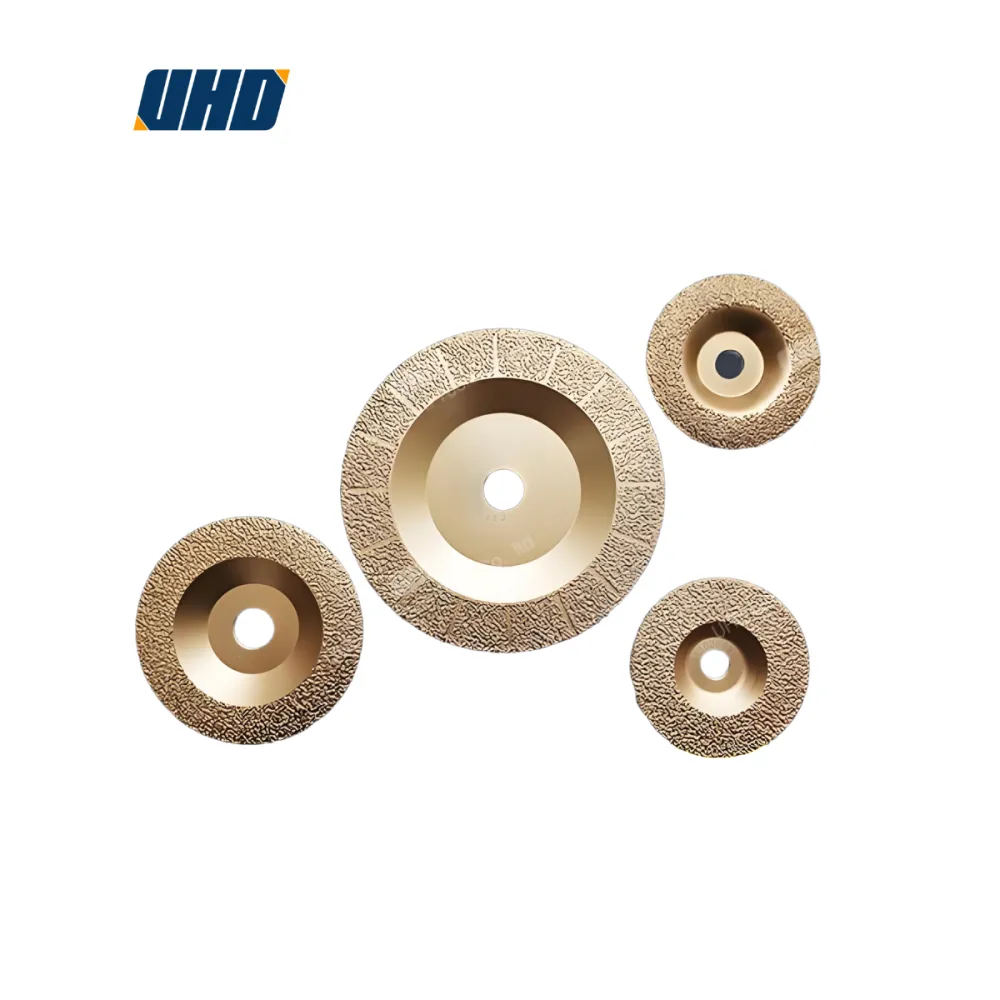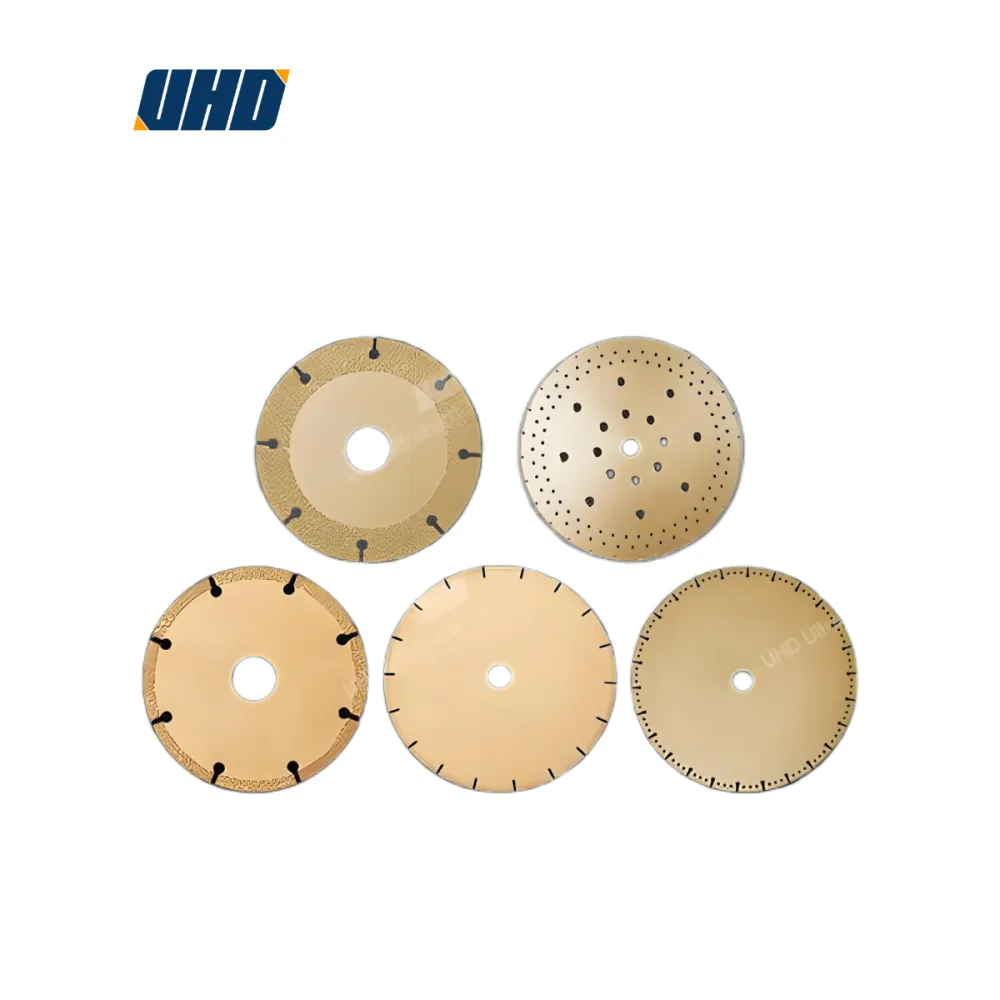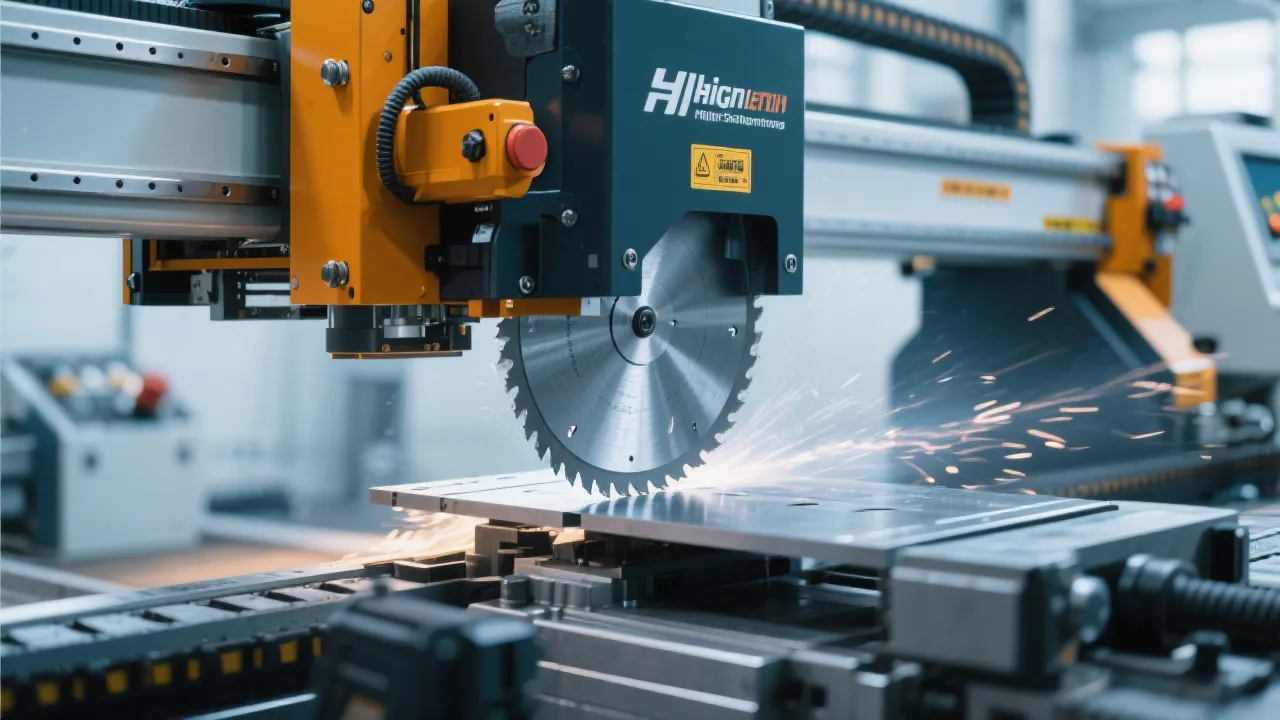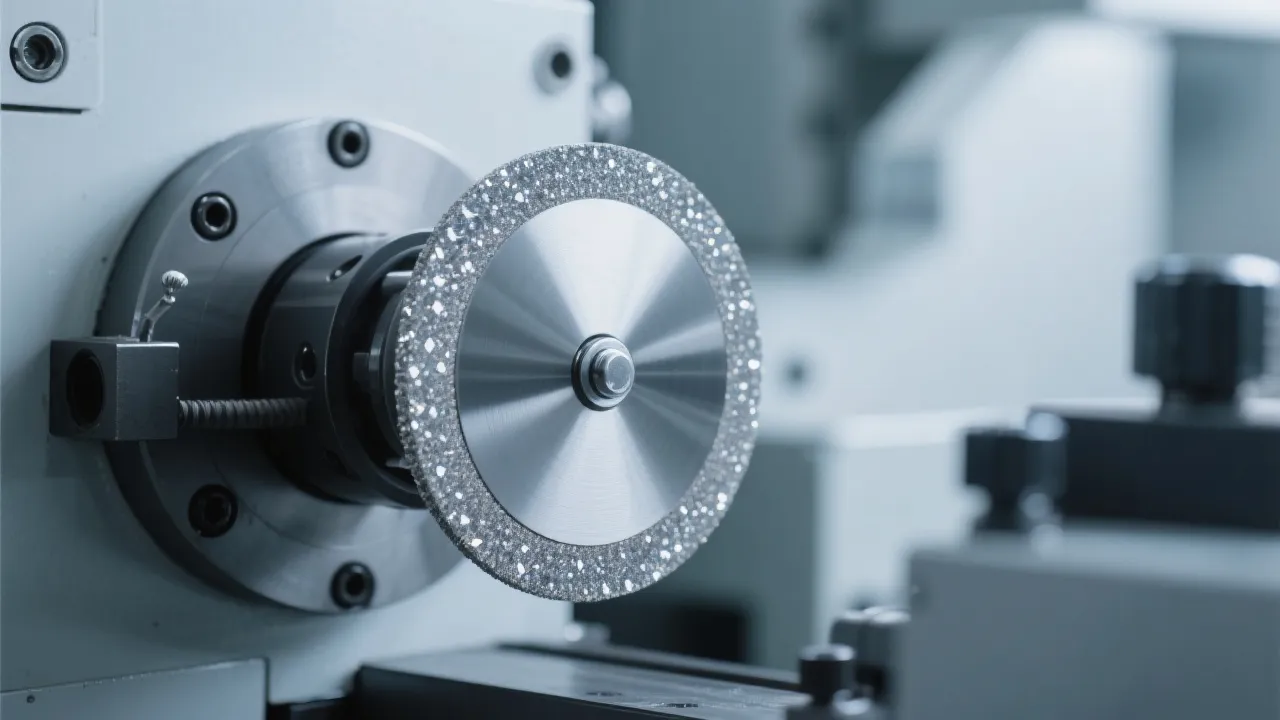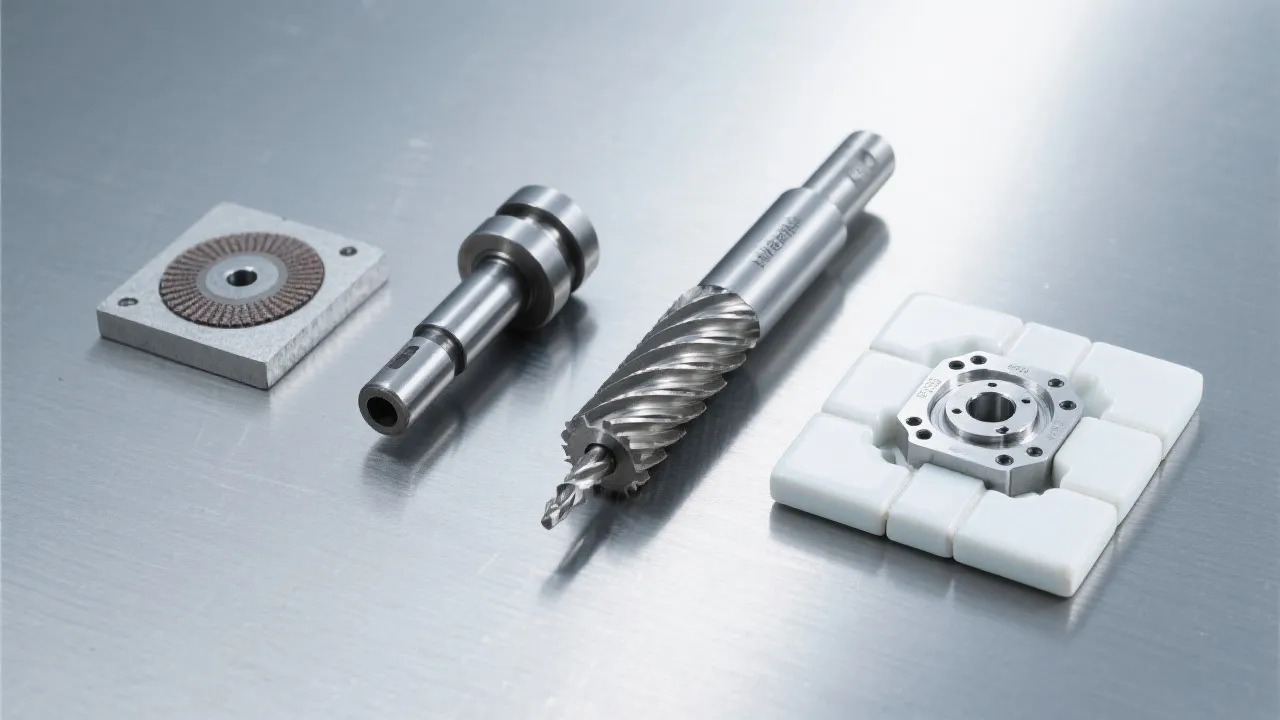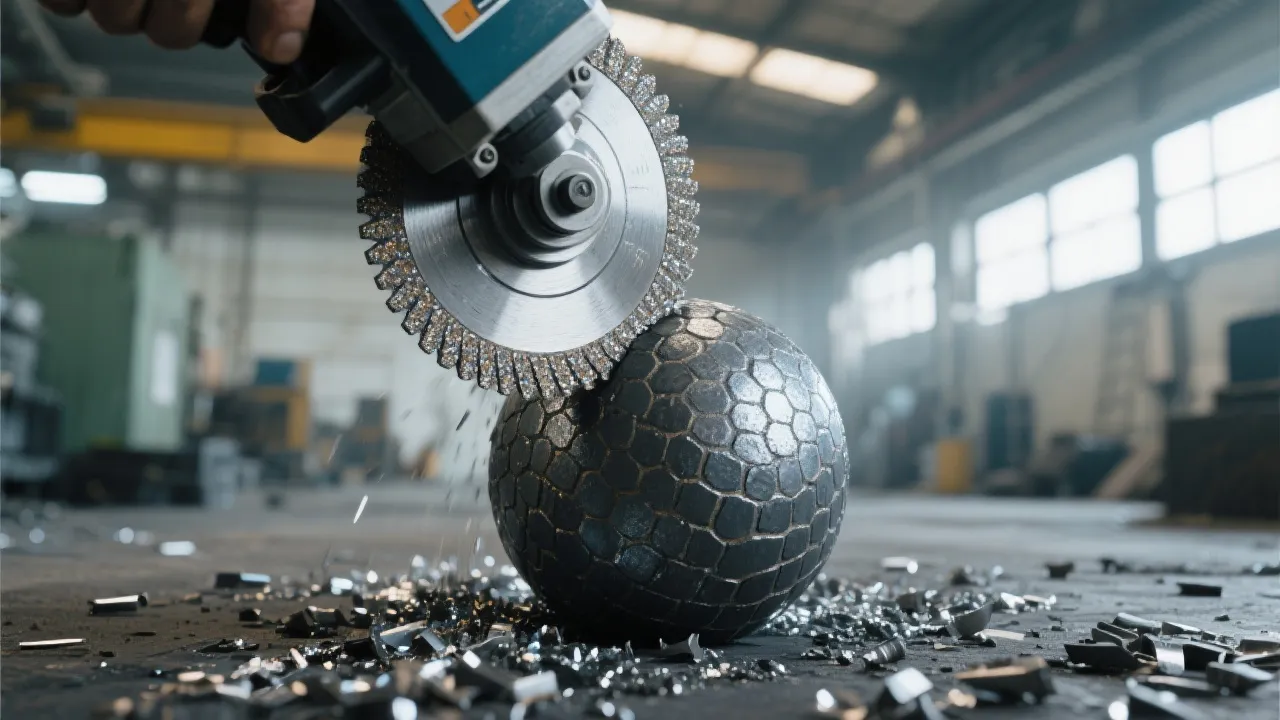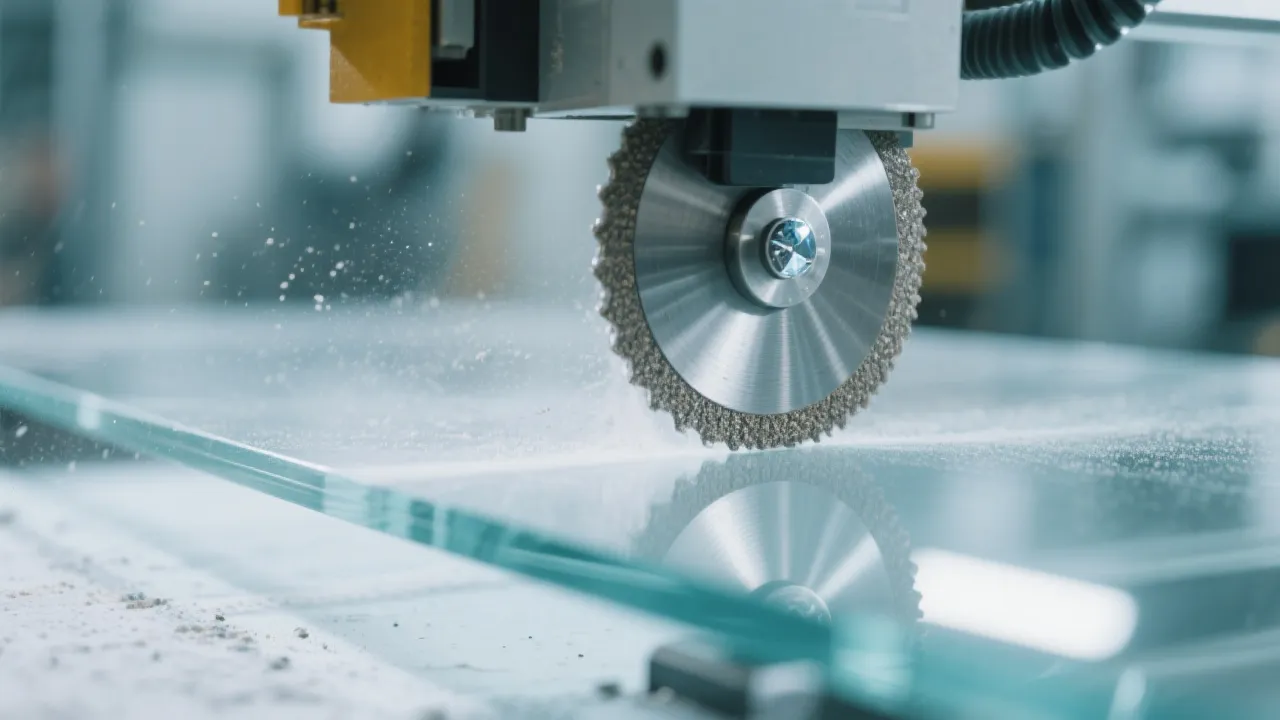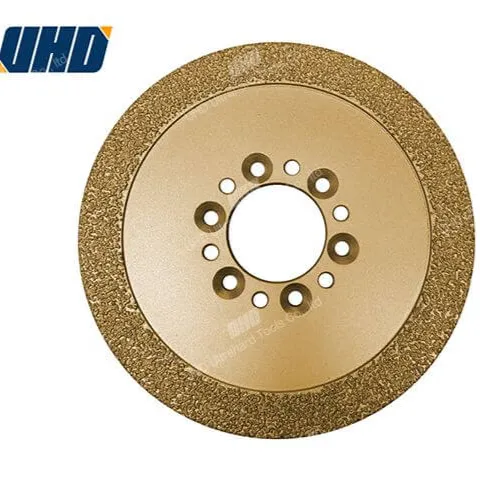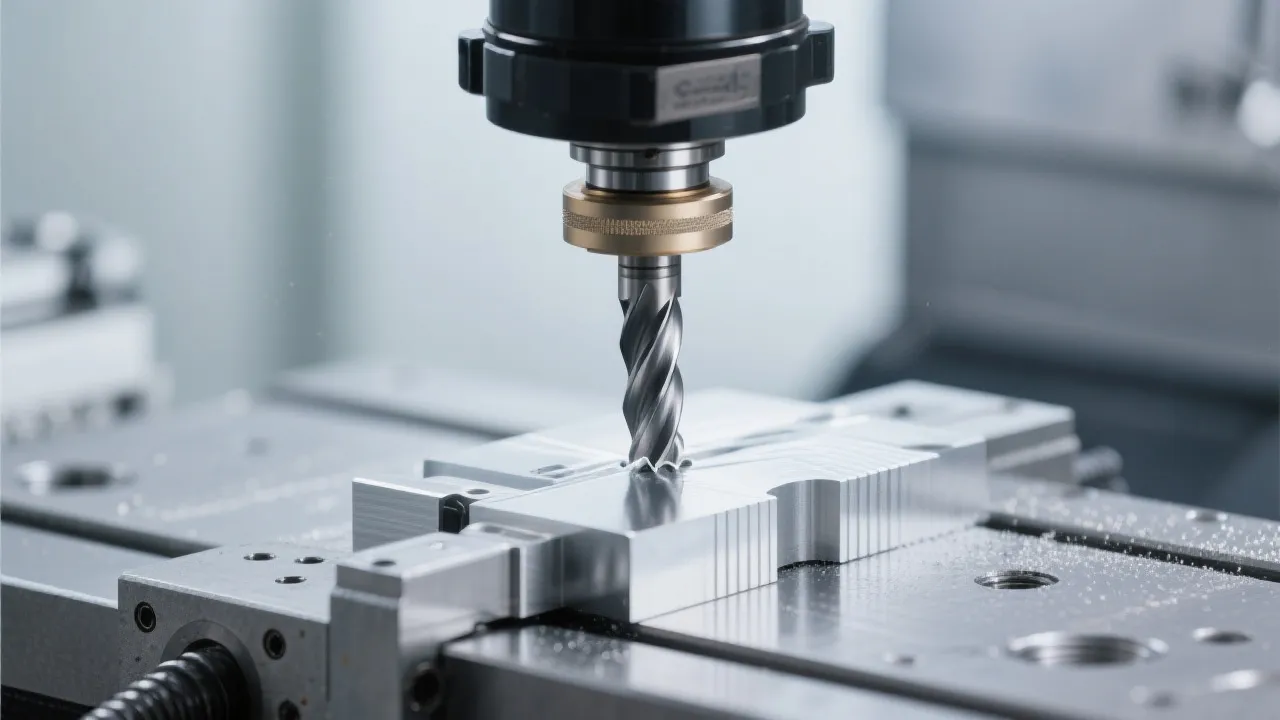
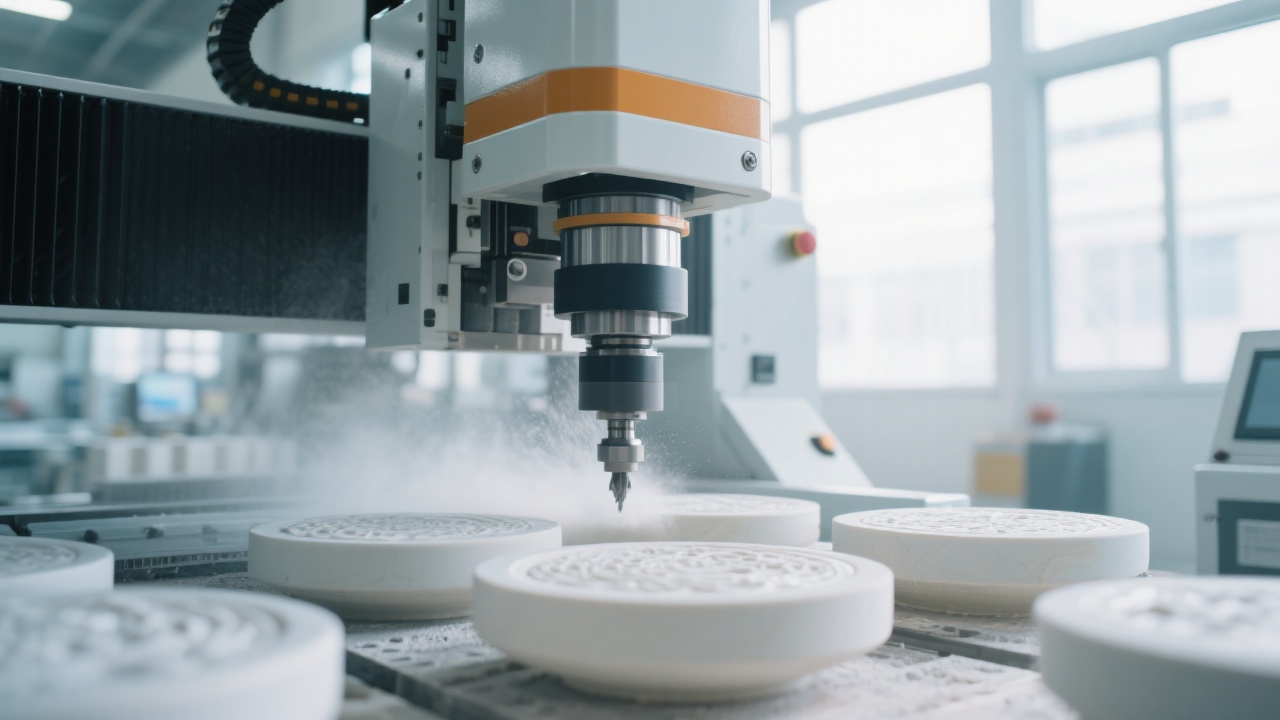
In advanced manufacturing industries such as electronics, medical devices, and construction, the relentless quest for higher precision and efficiency in glass and ceramic processing has driven innovations in cutting tools. UHD’s ultra-thin diamond grinding stems have emerged as a premier solution that redefines process capability in these challenging materials. With unparalleled hardness, wear resistance, and an ultra-thin design, these grinding stems provide micron-level precision that empowers enterprises to reduce costs while enhancing quality.
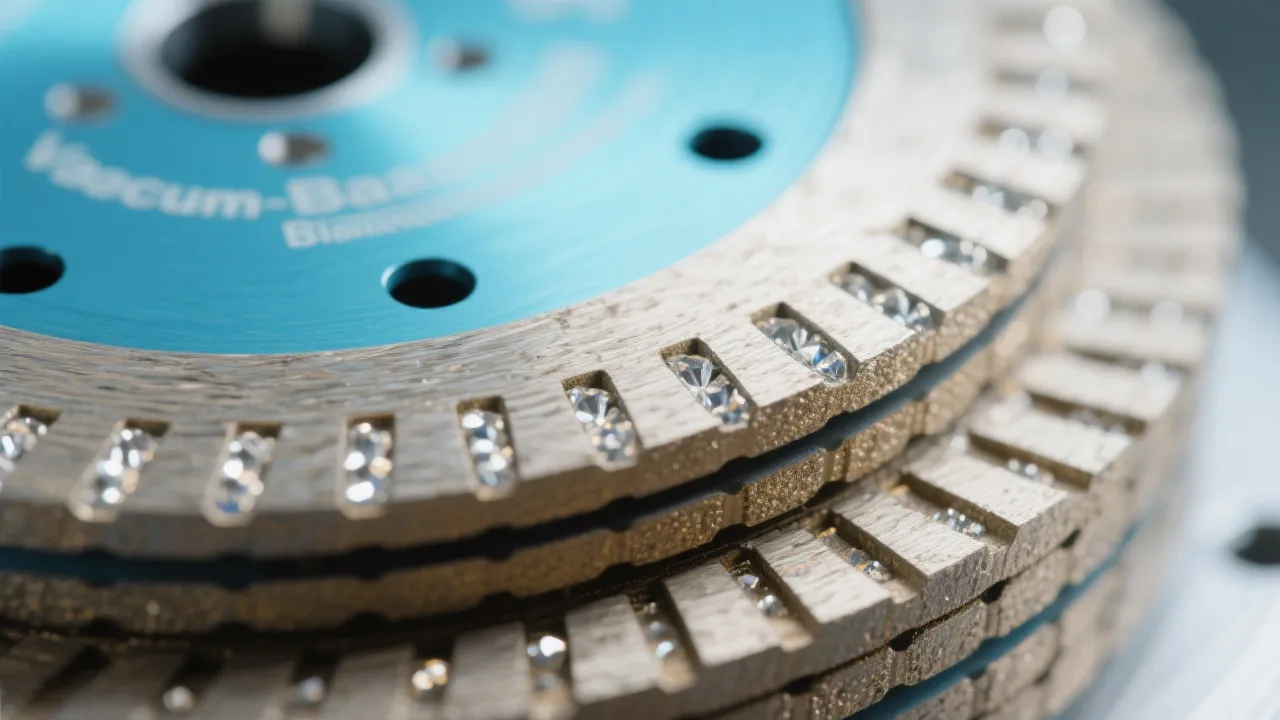
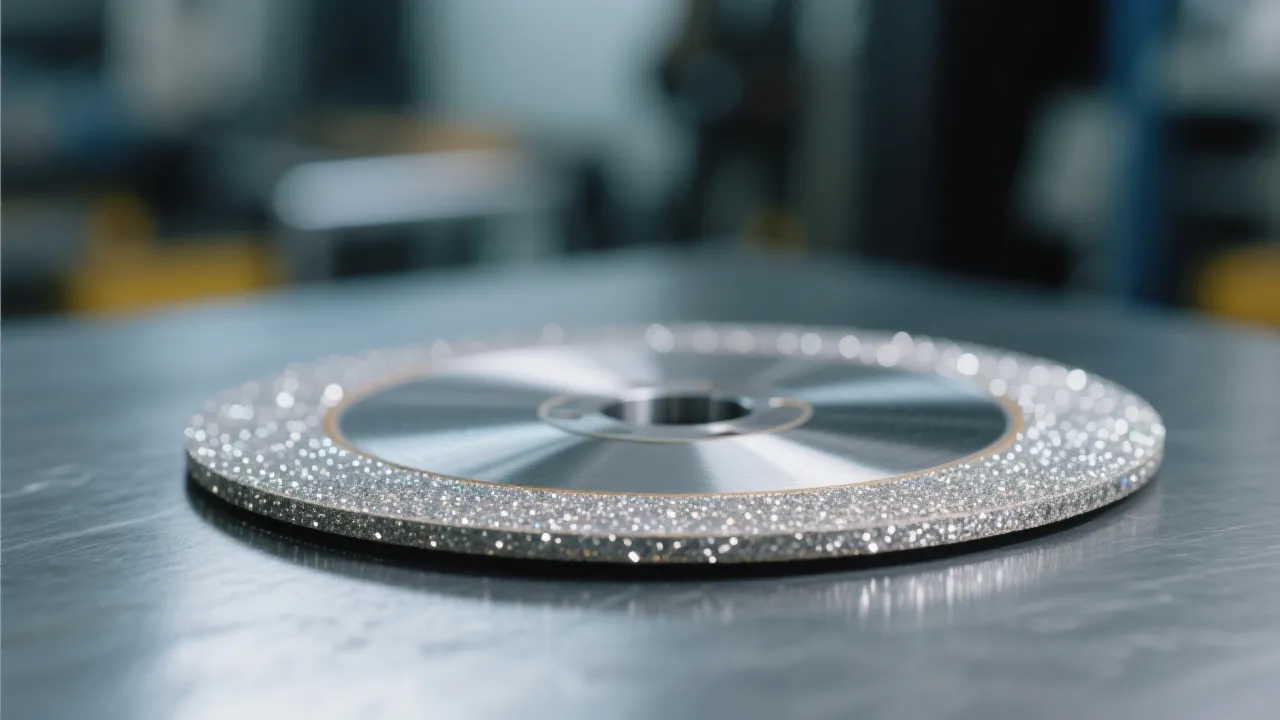
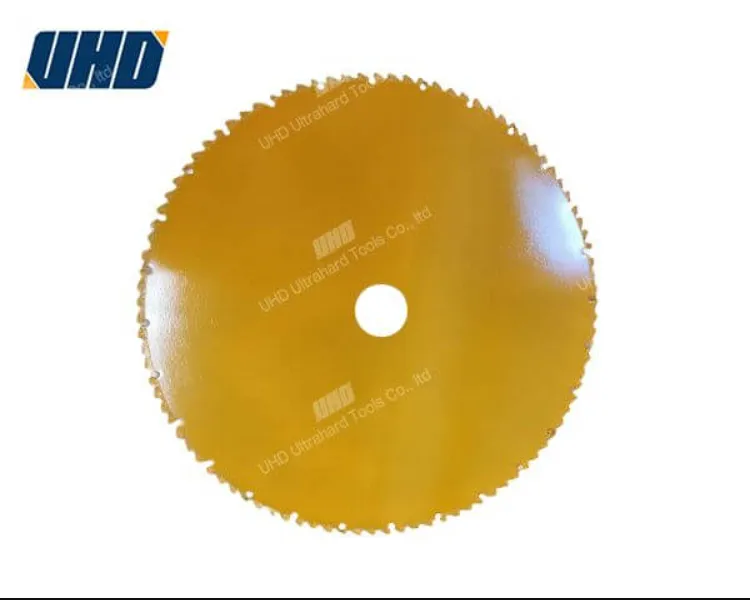
The core strength of UHD’s ultra-thin diamond grinding stems lies in their innovative structural and material design. Manufactured with high-grade polycrystalline diamond layers bonded onto an ultra-thin metallic shank, their exceptional hardness exceeds 9 on the Mohs scale. This unique composition offers superior wear resistance and sustains consistent grinding profiles over extended production cycles.
Compared to traditional grinding stems, which often have thicknesses above 0.2mm, UHD’s ultra-thin variants range from 0.05mm to 0.1mm, facilitating finer cuts and reducing mechanical stresses that cause cracks or chipping.
Conventional grinding tools often struggle with the inherent brittleness and thermal sensitivity of glass and ceramics. Common issues include:
As a result, many manufacturers face elevated scrap rates and increased operational costs, while also risking product reliability.
UHD’s ultra-thin diamond grinding stems overcome traditional constraints by enabling finer engagement between the tool and the workpiece. Industry data shows a 15%-25% improvement in cutting precision and up to a 30% reduction in surface roughness compared to conventional tools.
Thanks to the minimized grinding width and lower contact area, heat generation drops significantly, reducing thermal stress on delicate materials. This also enables higher machining speeds without sacrificing accuracy.
Case in point, a major electronics component manufacturer reported an increase in yield from 92% to 98% after integrating UHD ultra-thin diamond grinding stems into their glass substrate finishing process.
“The ultra-thin design of UHD’s diamond grinding stems brings a quantum leap in precision finishing, significantly improving surface integrity and throughput.” – Dr. Linda Chen, Materials Processing Expert
The versatility of UHD’s ultra-thin diamond grinding stems positions them as indispensable tools across multiple sectors:
These applications reflect UHD’s commitment to delivering grinding solutions that not only enhance precision but also contribute to improved production efficiency, thereby enabling clients to reduce overall manufacturing costs.
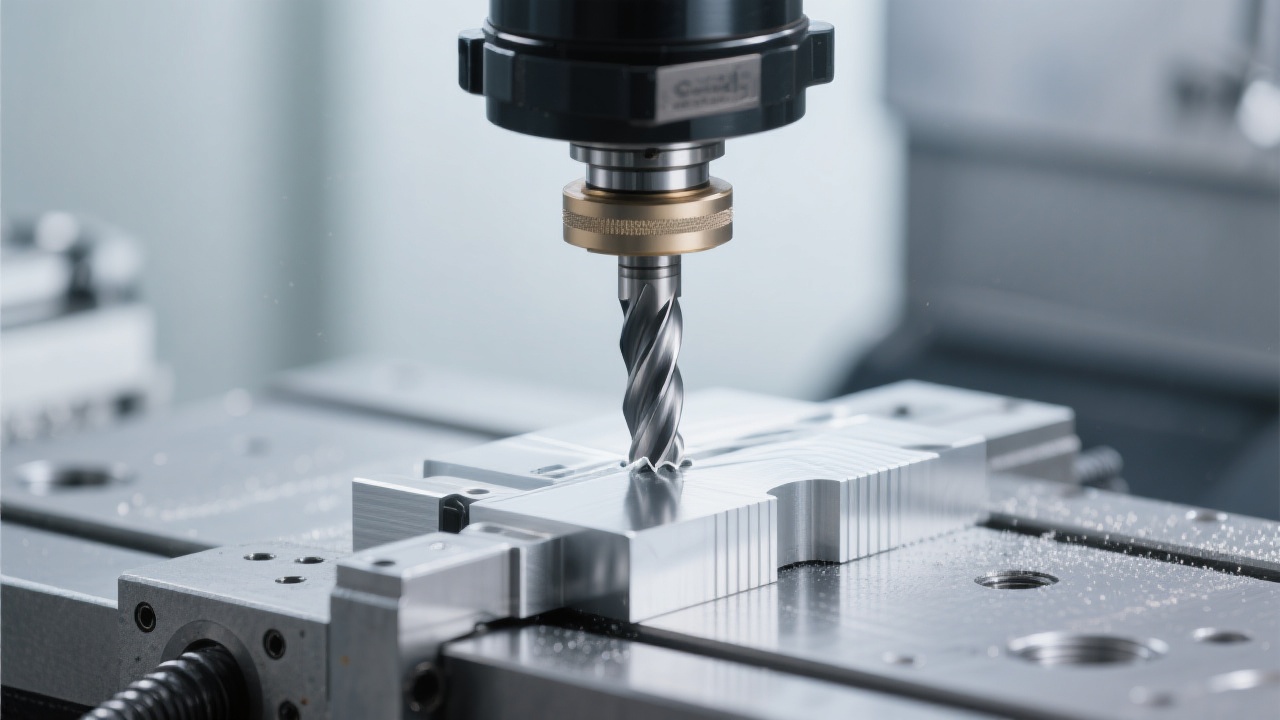
Looking ahead, UHD is advancing towards integrating intelligent sensor technologies into their ultra-thin grinding stems, enabling real-time condition monitoring for predictive maintenance and process optimization.
Customization options are expanding as well to accommodate unique client requirements, including variable thickness profiles and diamond grit sizes for specific applications.
Moreover, UHD places emphasis on green manufacturing by designing tools that extend lifespan, minimize waste, and reduce resource consumption during production — aligning with global sustainability standards.

Empower your manufacturing processes with UHD’s cutting-edge ultra-thin diamond grinding stems — let every grind be precisely micron-level accurate, driving your enterprise towards seamless quality and cost efficiency.
.png?x-oss-process=image/resize,h_1000,m_lfit/format,webp)