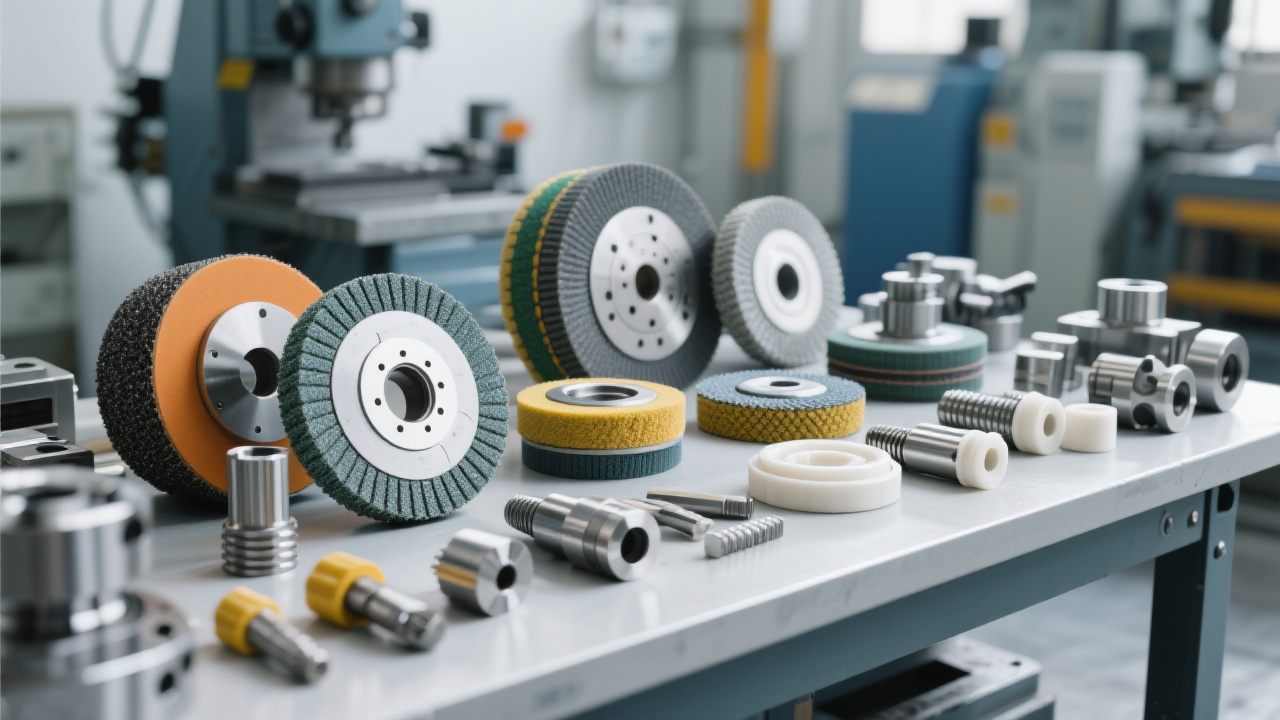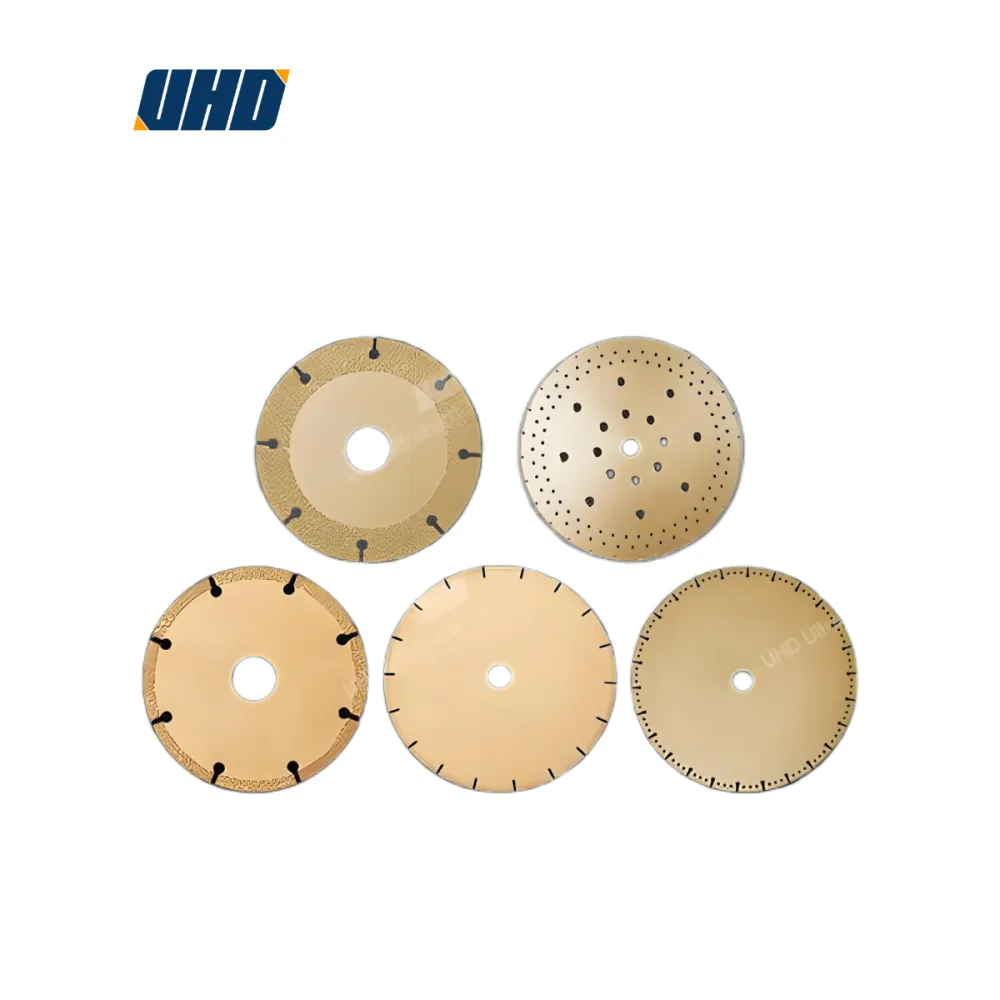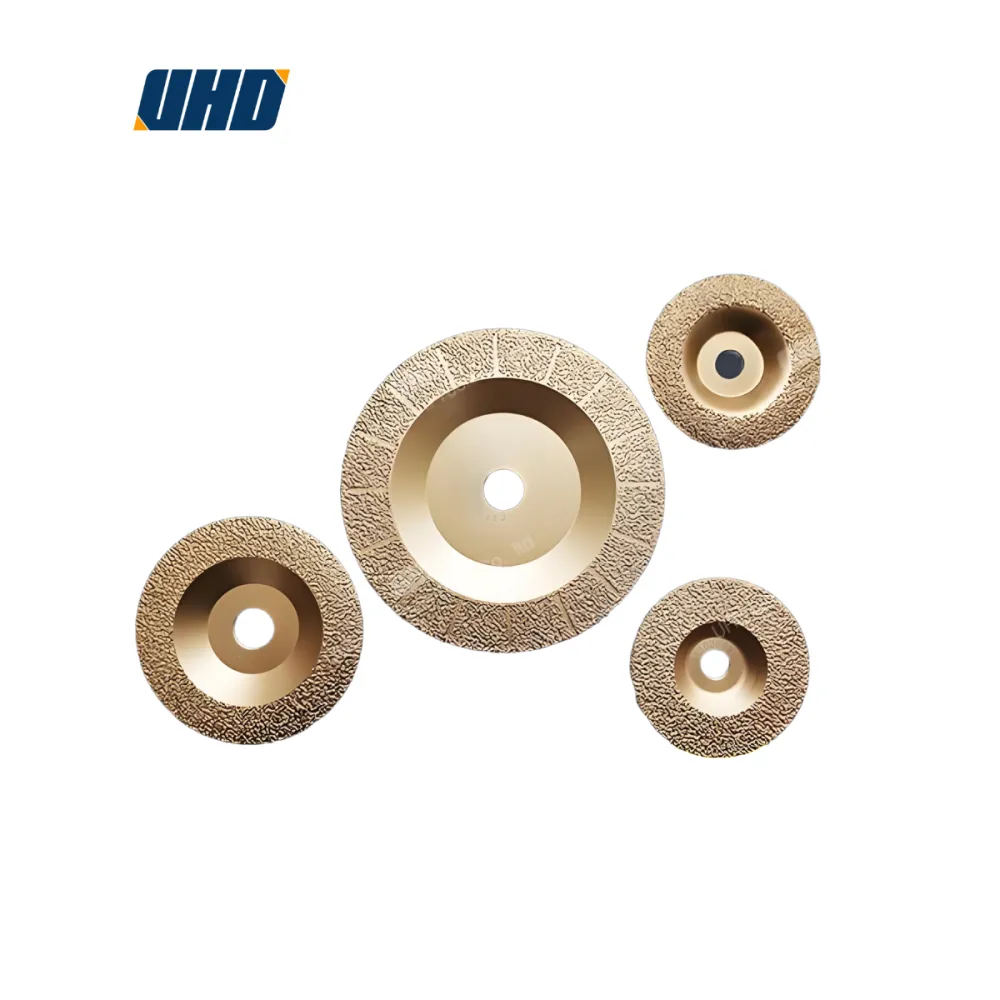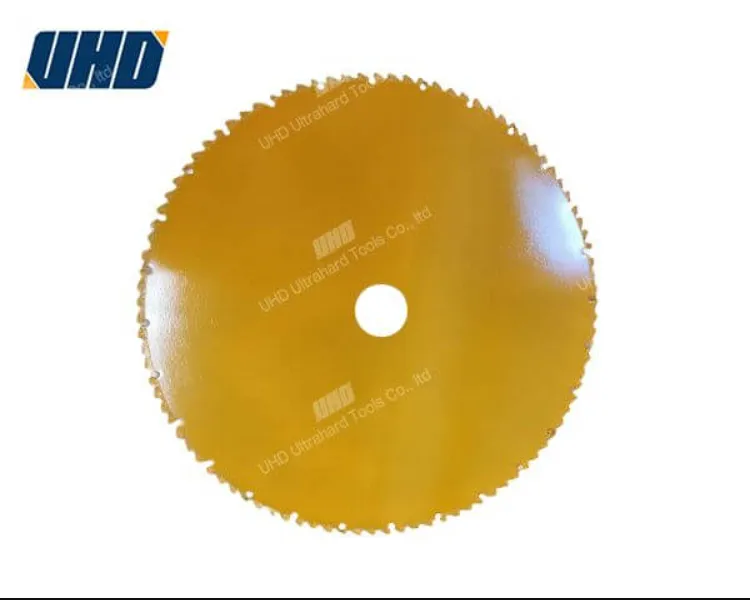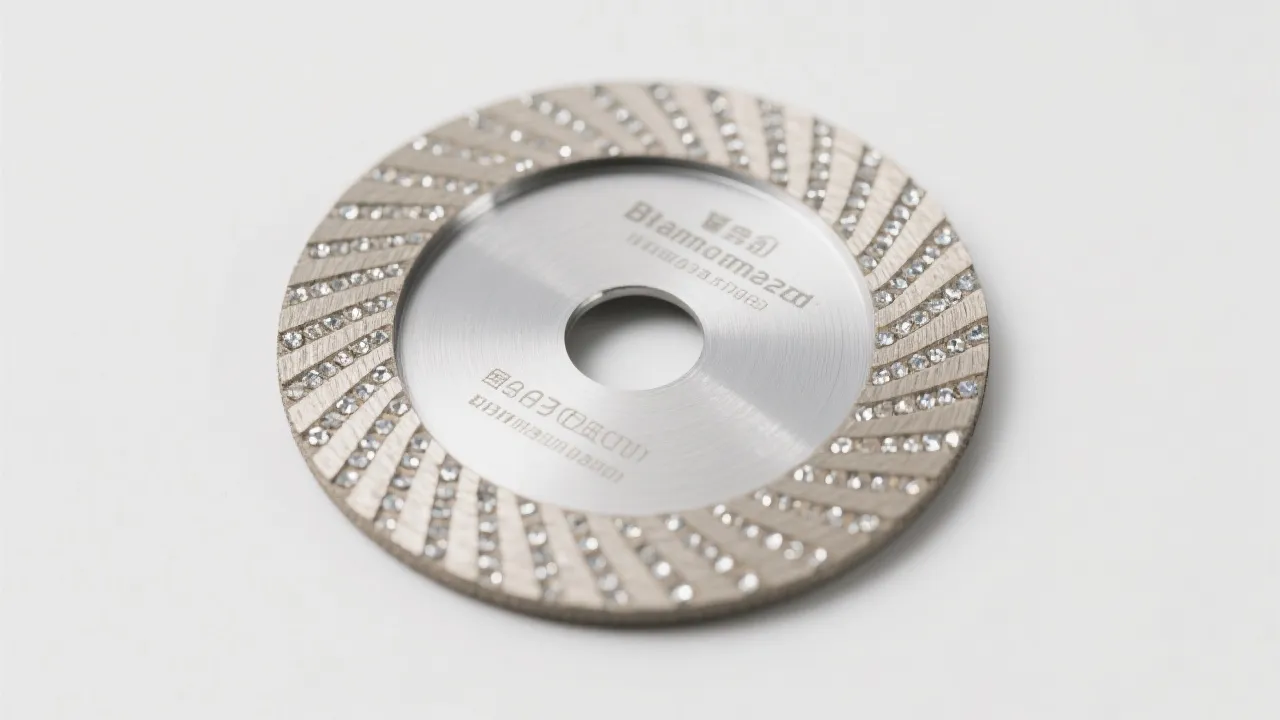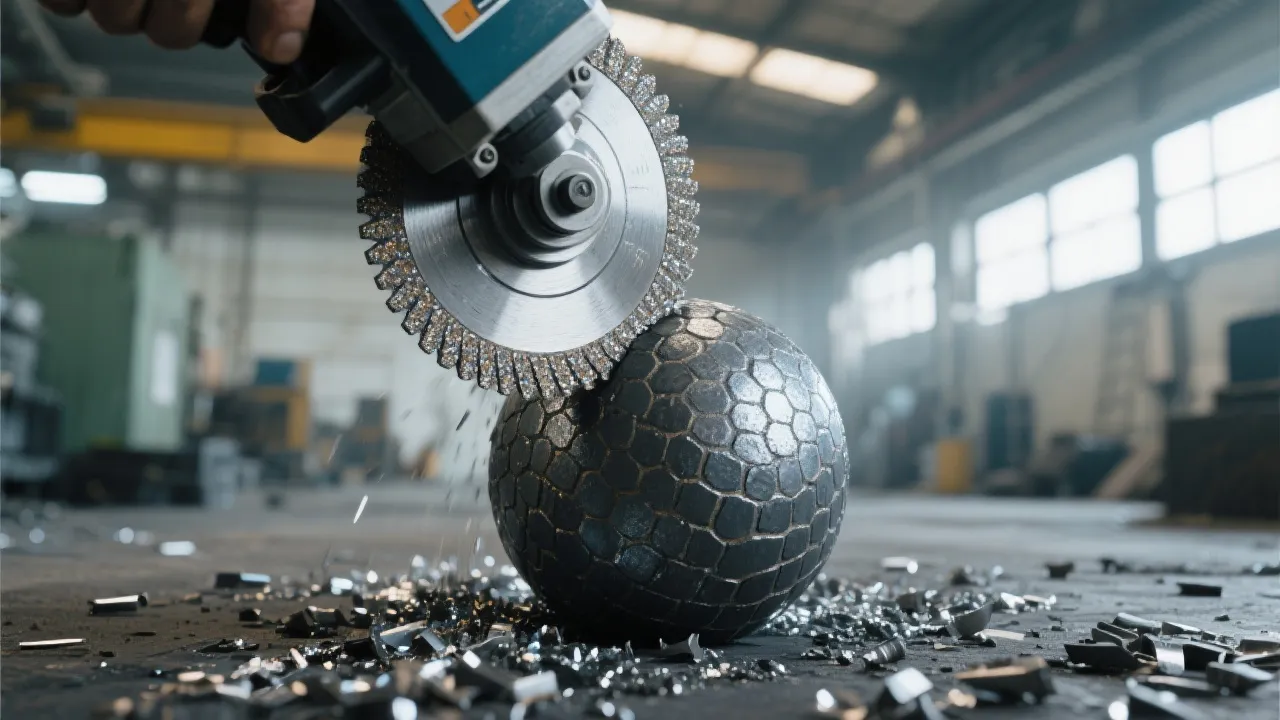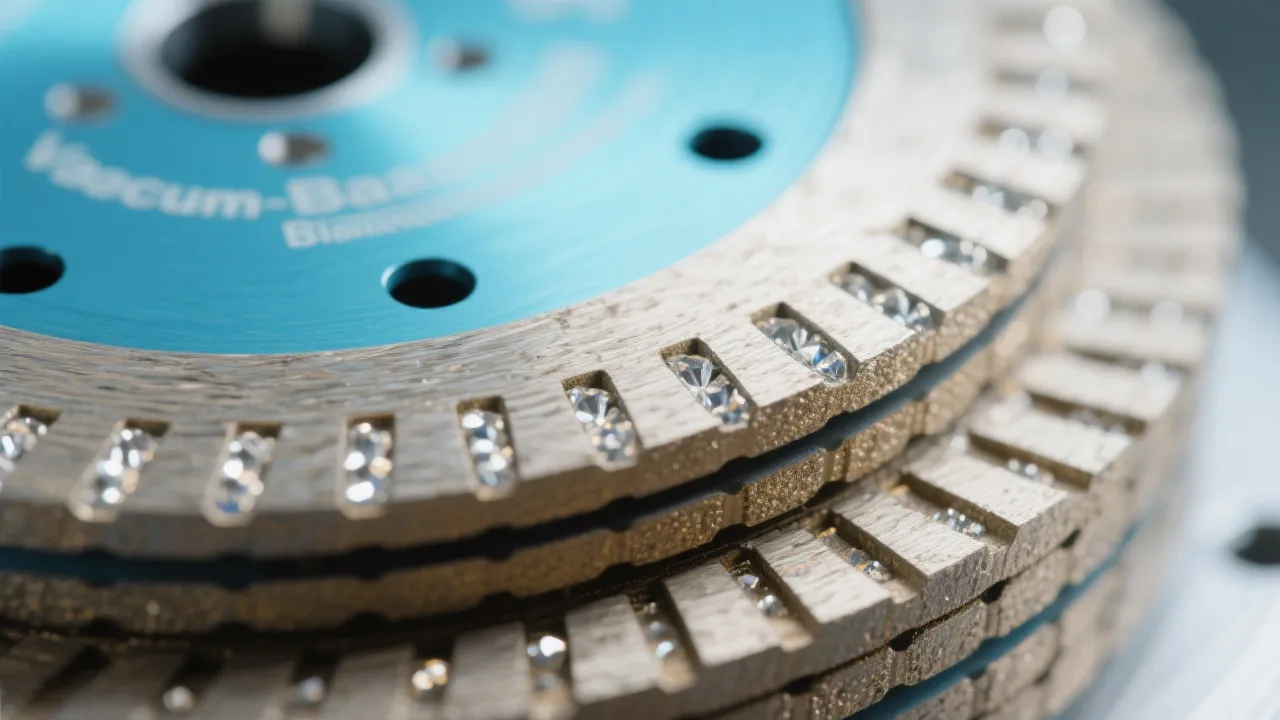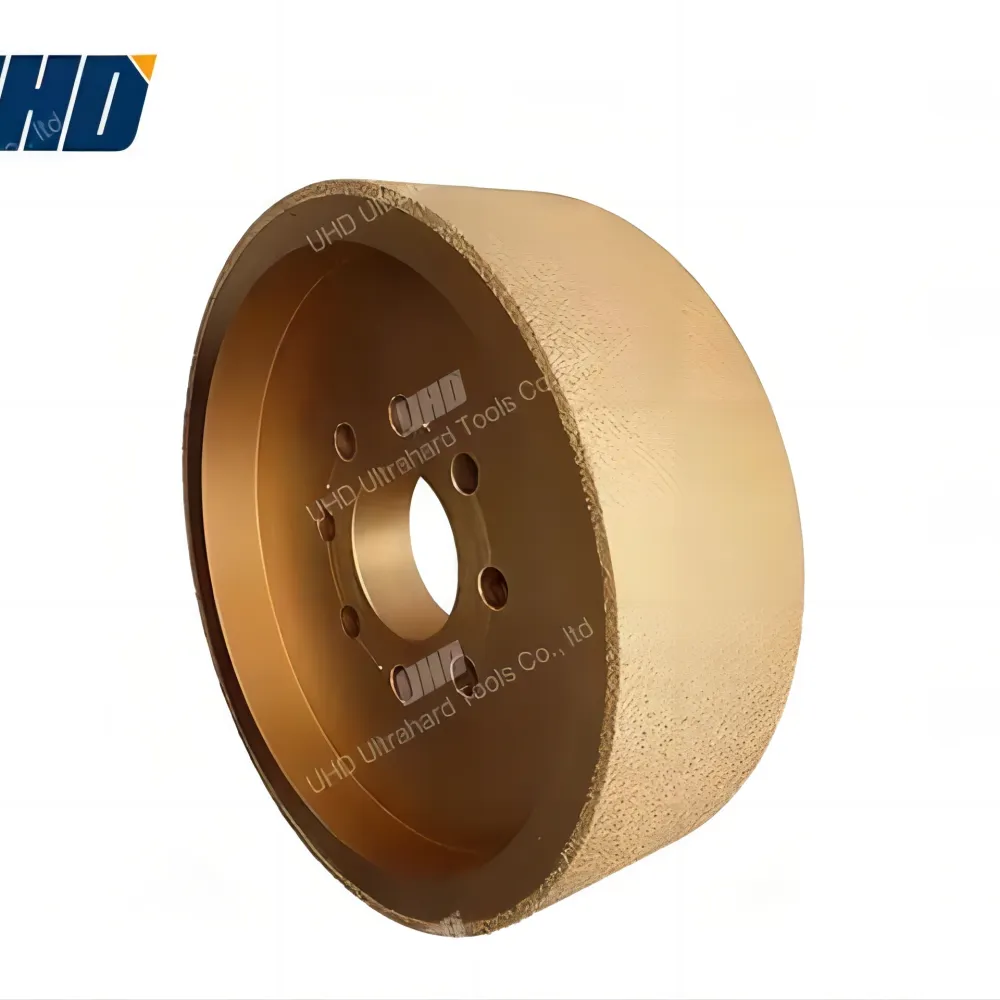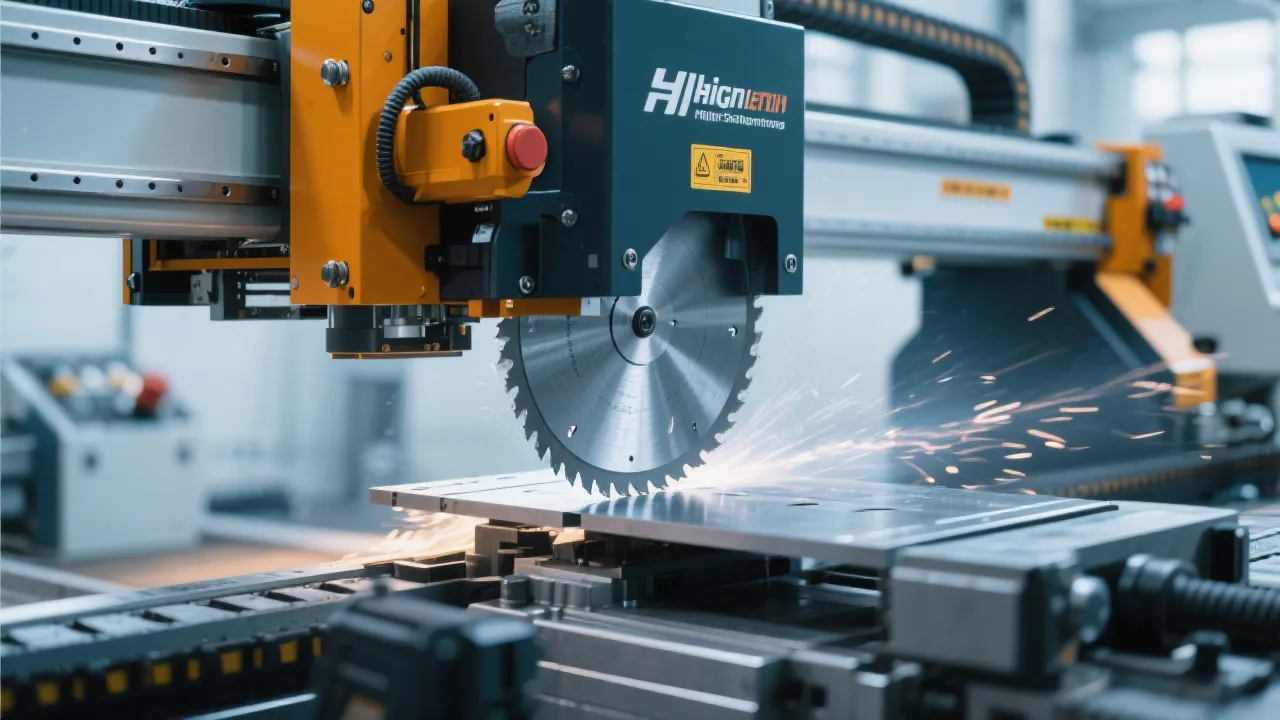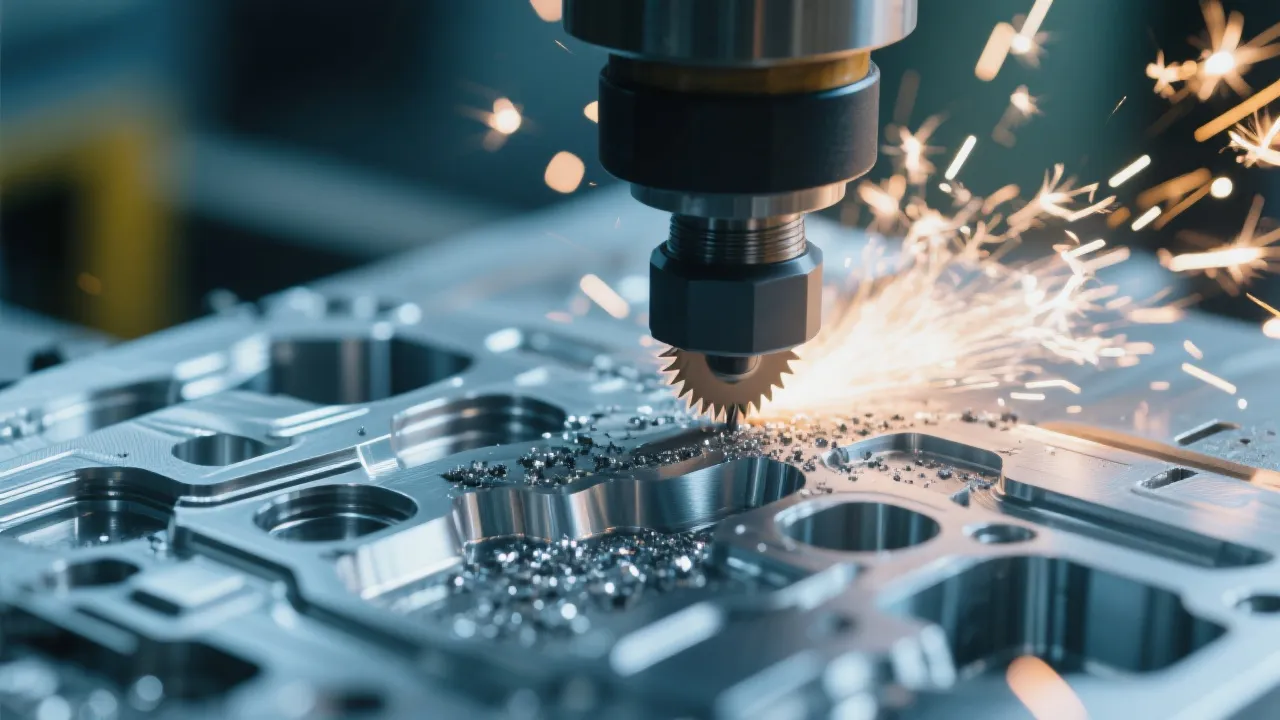
In the realm of precision manufacturing, the ultra-thin diamond grinding pin has emerged as a transformative tool for fine processing, particularly in demanding applications involving glass and other hard-brittle materials. The UHD brand's innovative application of this technology underpins significant advancements in machining accuracy, wear resistance, and processing efficiency. This article offers a comprehensive examination of the technical advantages of ultra-thin diamond grinding pins, focusing on how their unique design and material properties elevate precision manufacturing standards.
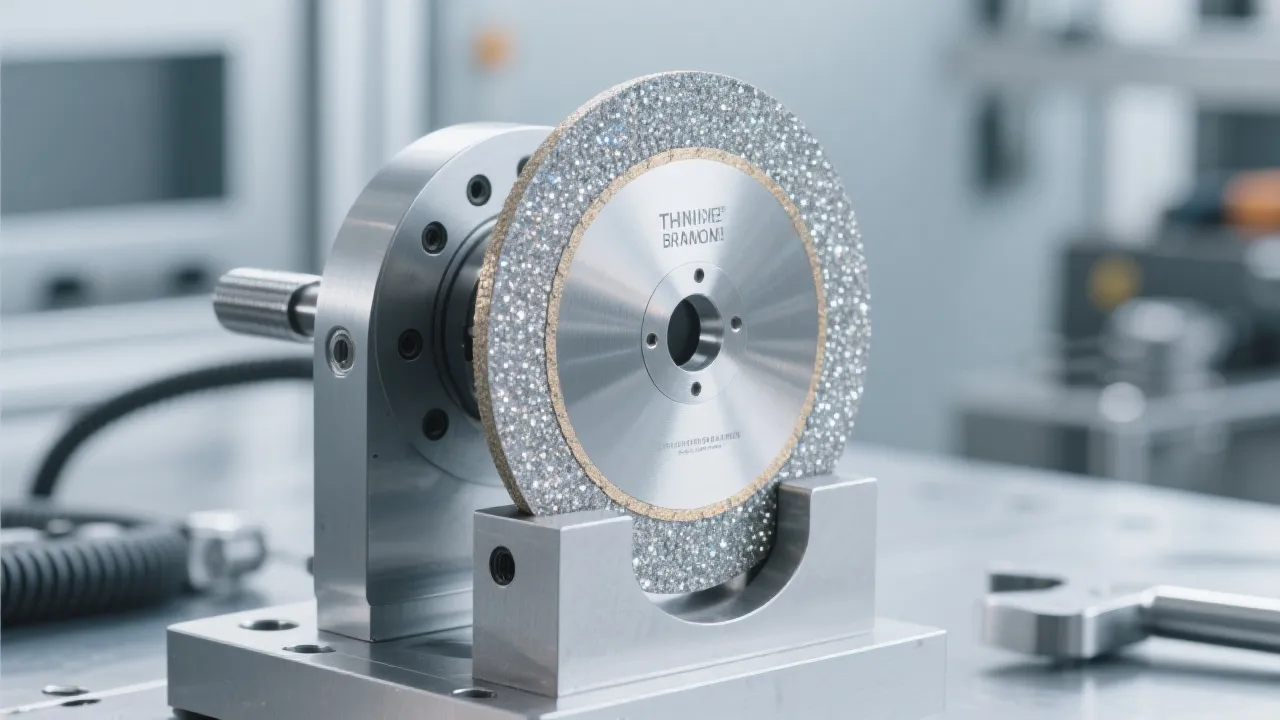
The ultra-thin diamond grinding pin, characterized by its minimal diameter and high-quality diamond grit coating, is engineered for exceptional precision in grinding operations. With thicknesses reduced to less than 0.5 mm, these grinding pins facilitate ultra-fine finishing, achieving surface roughness values (Ra) as low as 0.02 μm on glass surfaces—a benchmark difficult to reach with conventional tools.
Key attributes include:
The fundamental advantage of ultra-thin diamond grinding pins lies in their ability to conform to intricate geometries with minimal mechanical stress on the workpiece. By reducing the contact area and tool thickness, UHD's ultra-thin design minimizes sub-surface damage and mechanical deformation during grinding, critical for delicate materials such as glass.
Empirical testing indicates a 25% improvement in dimensional tolerance adherence when using ultra-thin grinding pins compared to traditional grinding tools, resulting in enhanced product consistency. Surface finish measurements post-processing reveal smoother, more uniform glass surfaces, directly benefiting optical clarity and durability.
Glass and ceramics present significant challenges due to their hardness and brittleness. UHD's ultra-thin diamond grinding pins leverage densely packed synthetic diamond abrasives and an advanced bonding system to deliver outstanding wear resistance—extending tool life by up to 40% in high-volume glass edging applications.
This durability translates directly to higher operational uptime and reduced tooling costs. In addition, the refined grinding action facilitated by the reduced profile increases processing speeds without compromising quality, achieving up to a 15% boost in throughput in ceramics finishing lines.
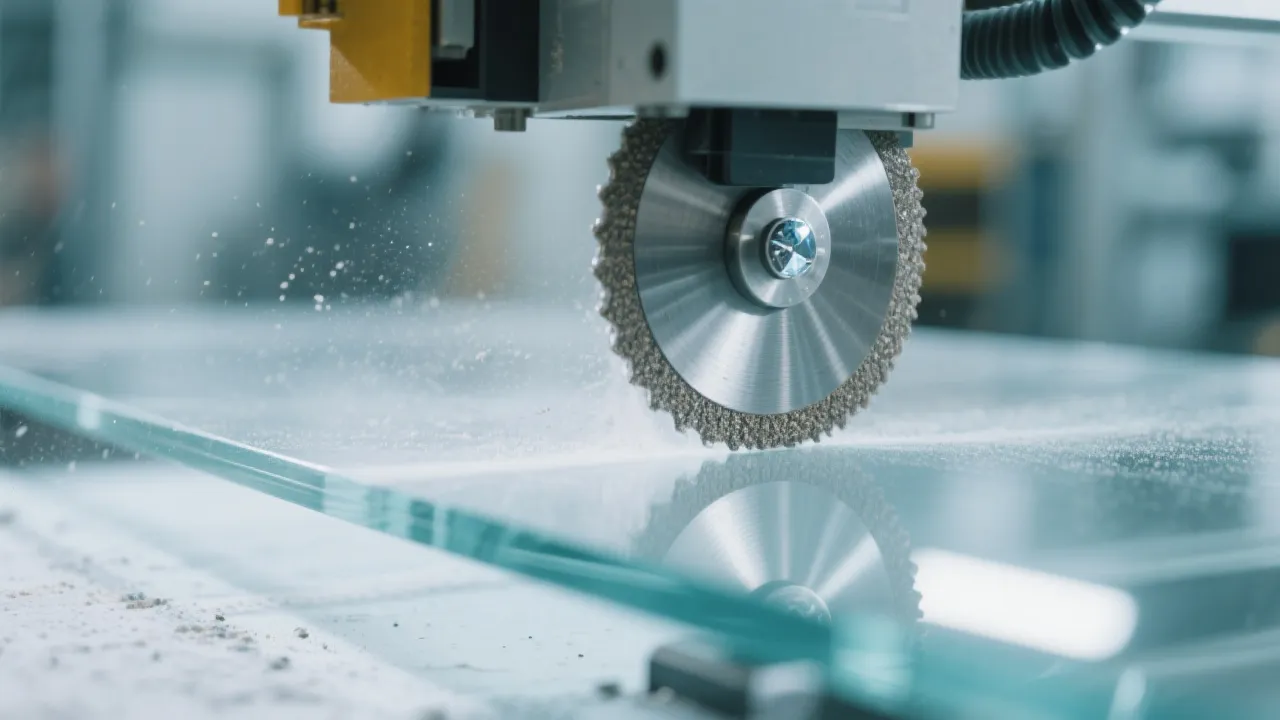
UHD's ultra-thin diamond grinding pins have been successfully integrated across diverse glass processing scenarios—including automotive automotive glass beveling, thin glass panel edge finishing, and precision ceramic substrates manufacturing.
Case studies reveal that adopting these grinding pins reduces processing defects by approximately 30%, an improvement that enhances downstream assembly yields. Best practice recommendations include optimized coolant application to mitigate thermal stress and precision alignment protocols to fully leverage the ultra-thin profile’s accuracy.

| Performance Metric | Ultra-Thin Diamond Grinding Pin | Traditional Diamond Grinding Pin |
|---|---|---|
| Surface Roughness (Ra) | 0.02 μm | 0.05 μm |
| Tool Life | Extended by 40% | Standard |
| Processing Speed | +15% | Baseline |
| Dimensional Precision | ±0.01 mm | ±0.03 mm |
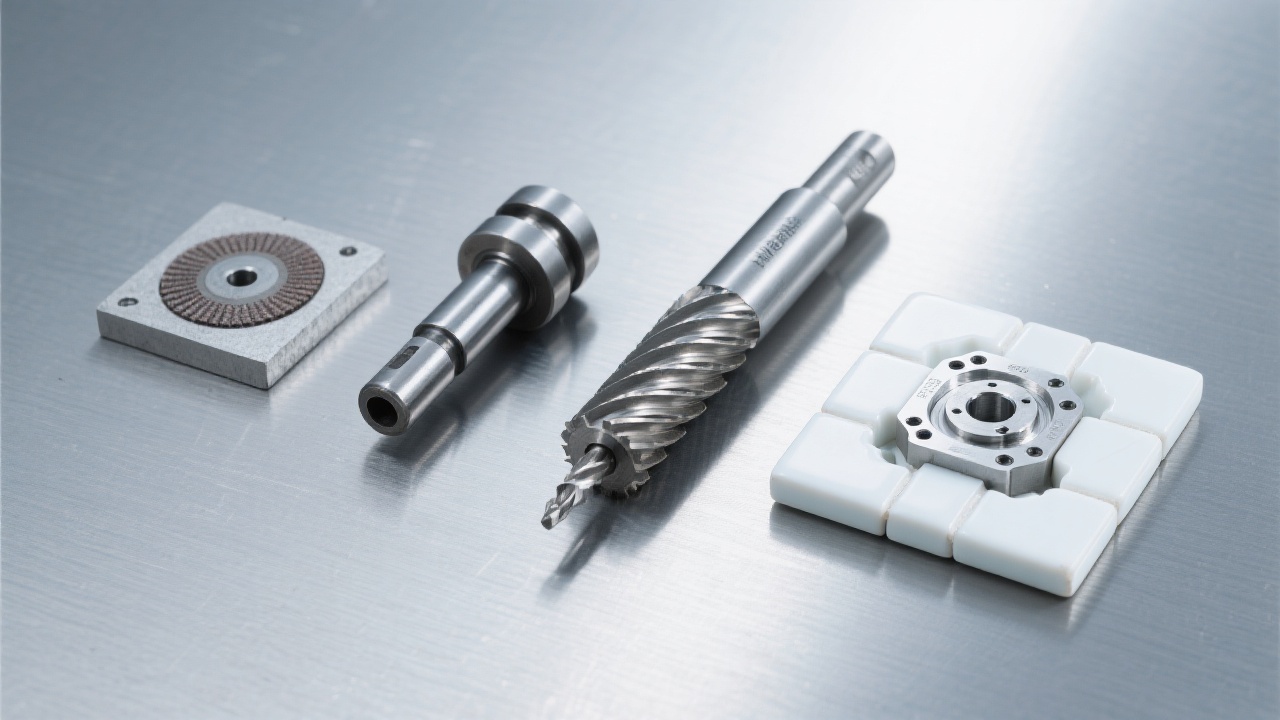
As precision manufacturing continues to push the boundaries of material science and microfabrication, UHD’s ultra-thin diamond grinding pins are positioned to be an indispensable asset. Their capacity to deliver unparalleled surface quality while driving cost-efficiency aligns closely with industry trends prioritizing sustainability and zero-defect production.
Further technological refinement and integration with AI-driven process controls will unlock even greater potential, making UHD’s ultra-thin diamond grinding pins a future-proof solution for glass, ceramics, and other advanced materials.