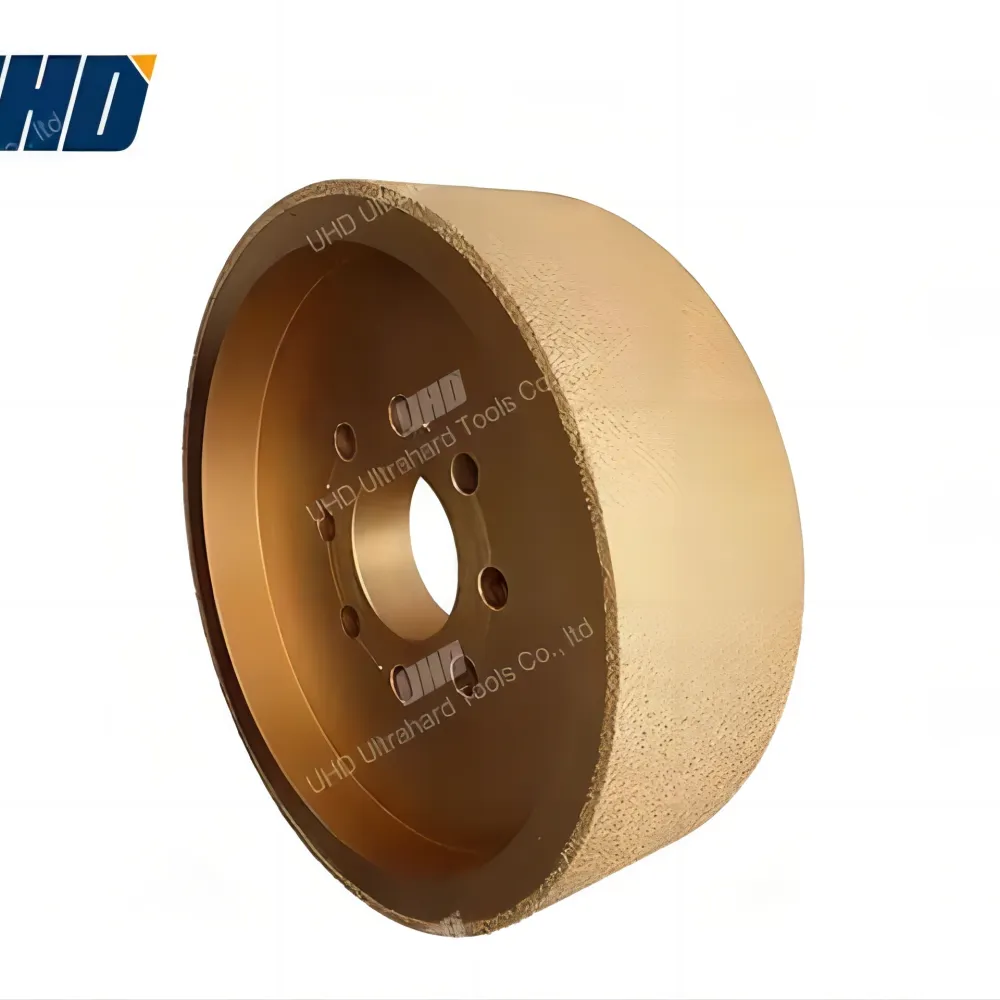
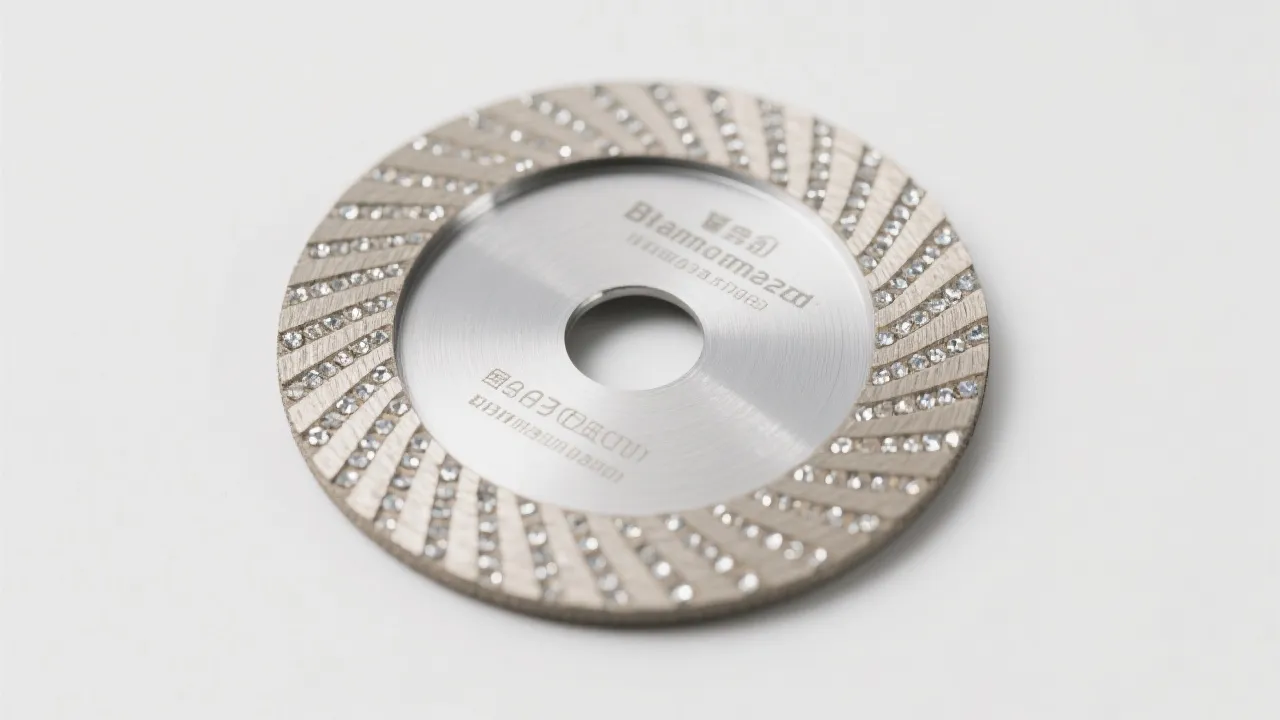
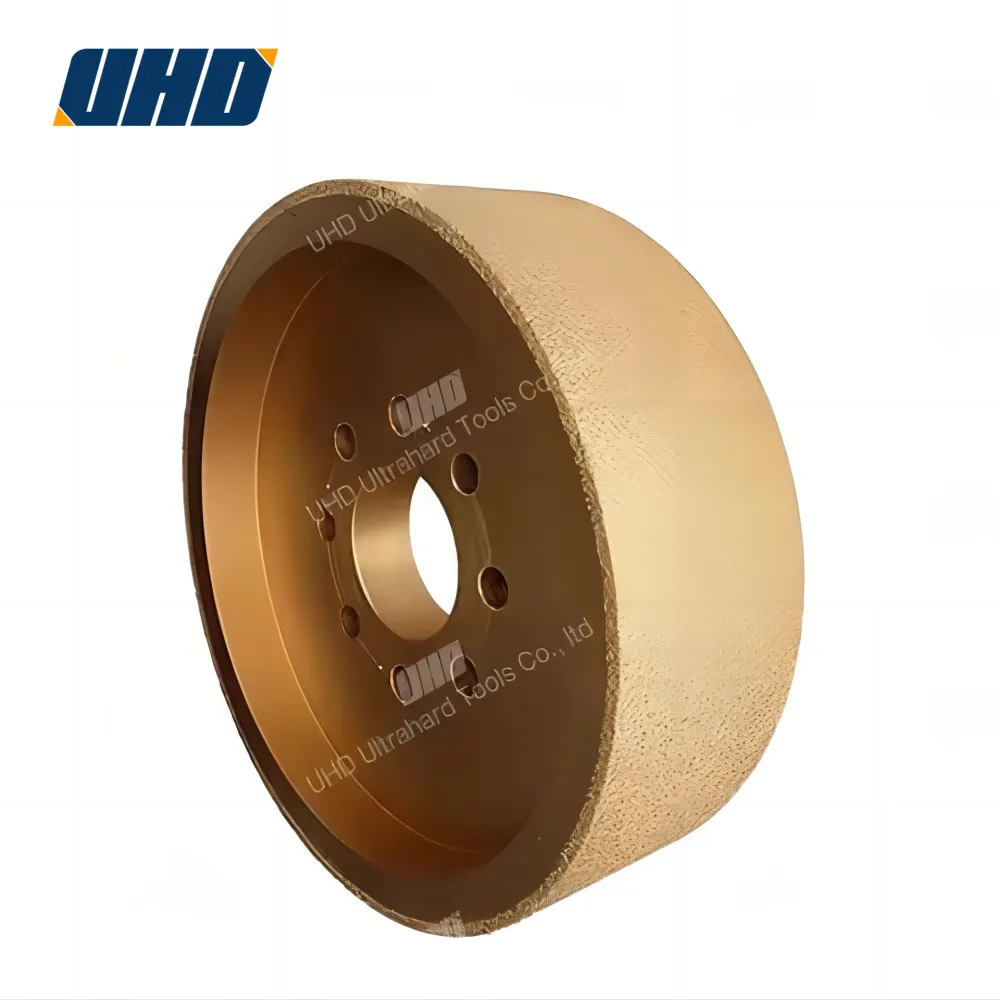
The evolution of industrial cutting tools has been significantly influenced by breakthroughs in material engineering and manufacturing processes. Among these, vacuum brazed diamond blades stand out as a transformative technology tailored for automated cutting, particularly in high-demand metal processing sectors. This article offers an in-depth examination of the vacuum brazed diamond saw blades developed by Henan Youde Superhard Tools Co., Ltd., detailing their technological advantages, design innovations, and practical industrial applications with a focus on enhancing cutting precision, durability, and operational safety.
Vacuum brazing is a meticulous joining process that fuses diamond grit segments to the steel core of saw blades under controlled vacuum conditions, typically at temperatures ranging from 900°C to 1100°C. This technique ensures a strong metallurgical bond while preventing oxidation, which commonly degrades traditional brazing strength and cutting performance. Compared to conventional hot-pressed or electroplated blades, vacuum brazed blades exhibit superior diamond retention and segment uniformity, resulting in enhanced lifespan and stable cutting performance under high rotational speeds often exceeding 5,000 RPM.
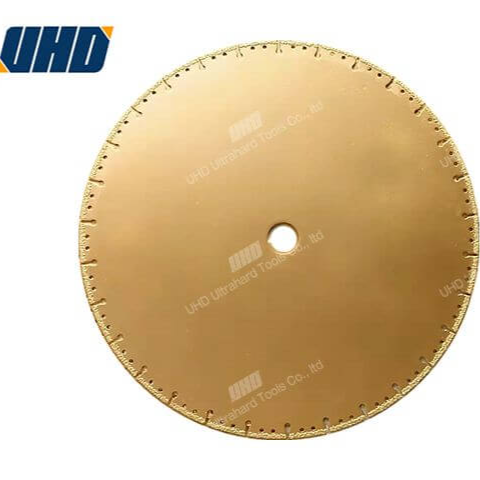
The design engineers at Henan Youde have optimized the cutting head geometry with multi-angle bevels and variable segment heights, effectively reducing cutting resistance and heat buildup. Custom diameters ranging from 200mm to 800mm accommodate diverse industrial cutting rigs, delivering tailored solutions for different material thicknesses. The segmented structure allows heat dissipation and debris clearance, which together contribute to consistent cut quality and extended service life, even under continuous automated operations.
Cast iron, recognized for its abrasive nature and hardness ranging between 140 to 200 HB (Brinell hardness), demands robust cutting tools to maintain high throughput. The Youde vacuum brazed blades demonstrate unparalleled efficacy in this domain, achieving cutting speeds that outperform traditional blades by up to 30%, with up to 40% longer blade life. These performance metrics translate directly into operational cost savings and reduced machine downtime. Additionally, the blades’ compatibility with automated cutting lines ensures seamless integration with CNC and robotic systems, maintaining tight tolerances within ±0.1 mm, critical for precision metal fabrication.
Quality control is pivotal for industrial cutting tools, especially under demanding automated environments. Each blade undergoes rigorous nondestructive testing, including ultrasonic flaw detection and dynamic balancing tests, to ensure uncompromised structural integrity. The vacuum brazing process inherently reduces micro-cracks and porosity within the bond layer, mitigating blade failure risks. Enhanced wear resistance decreases the frequency of replacements, which, combined with reduced blade kickbacks, significantly improves operator safety and reduces labor costs linked to downtime and maintenance.
.png)
The integration of vacuum brazed diamond cutting blades into industrial workflows translates into measurable improvements in efficiency and cost-effectiveness. Studies indicate up to a 25% reduction in cutting cycle times for automated metal fabrication processes. Furthermore, the extended blade lifespan can reduce tooling expenses by approximately 35%. When coupled with minimized labor intervention due to automated compatibility and enhanced operational safety, companies can achieve a rapid return on investment (ROI) within 6 to 9 months, depending on production scale.
Emerging trends such as additive manufacturing integration and AI-driven quality monitoring promise to further revolutionize vacuum brazed diamond blade applications. Anticipated innovations include adaptive blade geometries adjusted in real-time based on cutting feedback, and environmentally optimized brazing processes reducing energy consumption. Henan Youde is actively investing in R&D to incorporate these advances, ensuring their products align with Industry 4.0 standards and the evolving demands of high-precision metalworking.

.png?x-oss-process=image/resize,h_1000,m_lfit/format,webp)