Vacuum Brazed Diamond Cutting Wheels: Expert Usage Tips and Maintenance FAQs for Foundry Efficiency
28 12,2025
Interactive Q&A
How can you maximize the efficiency of vacuum brazed diamond cutting wheels in the foundry industry? This article consolidates key operational techniques and essential maintenance tips to address your questions on lifespan extension, dust control, and safe handling. Whether you are a beginner or an experienced operator, you will find practical solutions to achieve low-consumption, high-efficiency grinding, improve production safety, and enhance surface quality. Adopt proven methods to harness the long-lasting performance of vacuum brazed diamond wheels, noted to last up to 100 times longer than traditional resin tools.
Mastering Vacuum Brazed Diamond Grinding Wheels for Casting Industry Efficiency
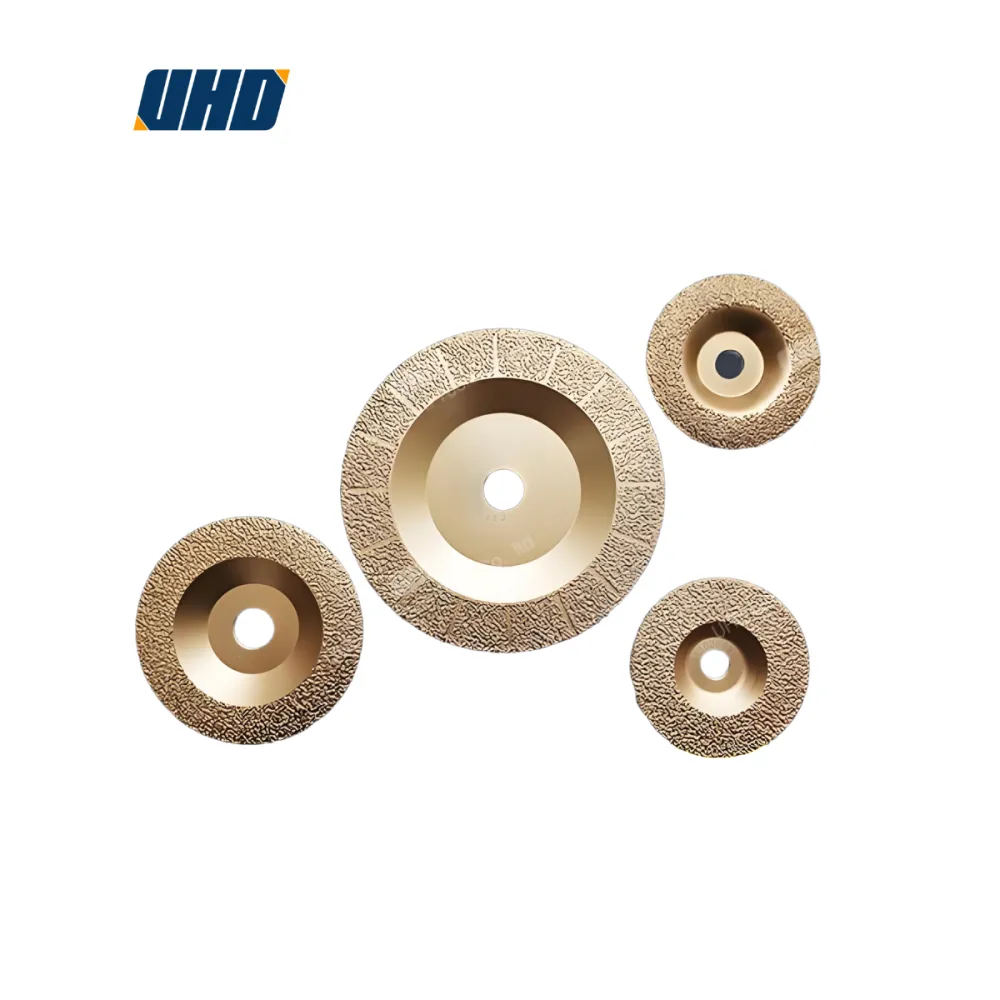
In the demanding environments of casting foundries, using an efficient, durable grinding tool is essential to maintaining productivity and quality. Vacuum brazed diamond grinding wheels stand out as advanced solutions that can extend tool life by up to 100 times compared to traditional resin-bonded wheels. This guide addresses your most pressing questions on maximizing performance, ensuring safety, and maintaining your equipment to meet modern industrial challenges.
1. Why Casting Plants Demand High-Efficiency, Low-Waste Grinding Tools
Casting operations require grinding wheels that combine sharp cutting, long lifespan, and minimal downtime for tool changes. Inefficient tools lead to excessive material waste, increased labor costs, and inconsistent surface finishes. By choosing vacuum brazed diamond wheels, you not only reduce consumable costs but also improve production consistency—a key to boosting your foundry’s overall profitability.
2. The Performance Edge of Vacuum Brazing Technology
Vacuum brazing bonds diamond abrasives directly to the steel wheel core under controlled vacuum conditions, preventing oxidation and ensuring a firm attachment. This technology gives your grinding wheels:
- Exceptional longevity—lasting approximately 100 times longer than resin-bonded counterparts.
- Stable cutting performance with minimal diamond loss during operation.
- Enhanced heat dissipation, reducing thermal stress and potential wheel damage.
3. Common Mistakes and Correct Operation Methods
To unlock the full potential of your vacuum brazed diamond grinding wheels, avoid these pitfalls:
- Incorrect Speed Settings: Always match wheel RPM with manufacturer recommendations to avoid premature wear or damage. For example, operating at excessive speed (>30 m/s peripheral velocity) can deteriorate the bond.
- Improper Feed Rate: Excessive feed pressure causes unnecessary heat and wheel fatigue. Maintain consistent moderate feed rates to balance removal rate and wheel life.
- Inadequate Cooling: Utilize appropriate coolants effectively to flush out debris and prevent overheating. For wet grinding, ensure coolant flow targets the grinding interface continuously.
4. Daily Maintenance Keys You Should Never Skip
Regular care is critical to sustain performance and safety:
- Cleaning: Remove metal particles and dust from the wheel using a soft brush after each shift.
- Storage: Keep grinding wheels in a dry, vibration-free environment to prevent chipping or deformation.
- Inspection: Periodically check for unusual wear patterns, cracks, or imbalance before use.
Quick Check:
Is your grinding wheel vibrating abnormally during operation? Possible reasons include:
- Wheel imbalance due to uneven wear.
- Damage or cracks developed on the wheel surface.
- Incorrect mounting or spindle misalignment.
Resolve promptly to avoid safety hazards and quality issues.
5. Safety Recommendations for Dust and Fumes Control
Grinding operations can generate hazardous dust and odors. Consider these protective measures:
- Ventilation: Use localized exhaust systems near the grinding zone to capture airborne particles.
- Protective Gear: Equip operators with N95 or higher-rated dust masks, safety goggles, and gloves.
- Dust Suppression: Utilize wet grinding or mist cooling to reduce dust emission.
6. Real-World Impact: A Success Story from the Casting Floor
One prominent foundry implemented strict vacuum brazed grinding wheel protocols—correct speed, feed rates, and scheduled maintenance. This led to:
- A 25% increase in good casting yield.
- A 40% reduction in tool consumption costs.
- Enhanced worker satisfaction due to lower noise and dust exposure.
These gains translated directly into higher throughput with consistent surface quality, proving that the right tool and approach is a worthwhile investment.


.png?x-oss-process=image/resize,h_1000,m_lfit/format,webp)




.png?x-oss-process=image/resize,h_1000,m_lfit/format,webp)


 <#else>





