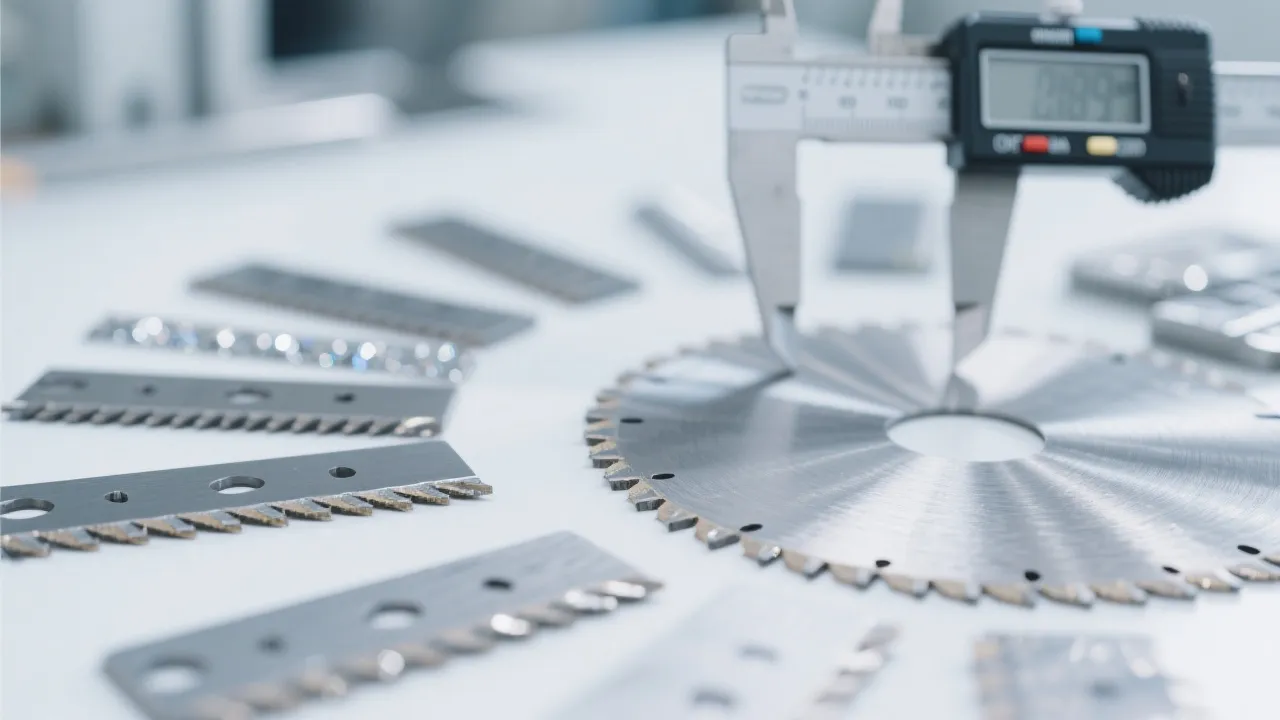
In the demanding field of casting deburring, achieving precision, durability, and operational safety remains critical for manufacturers worldwide. Vacuum brazed diamond grinding wheels have emerged as a transformative solution, offering a quantum leap beyond conventional resin-bonded abrasives. This article provides an analytical review of their performance advantages, hands-on application insights, and comprehensive recommendations for integrating these high-performance grinding wheels to elevate cast iron processing efficiency and quality.
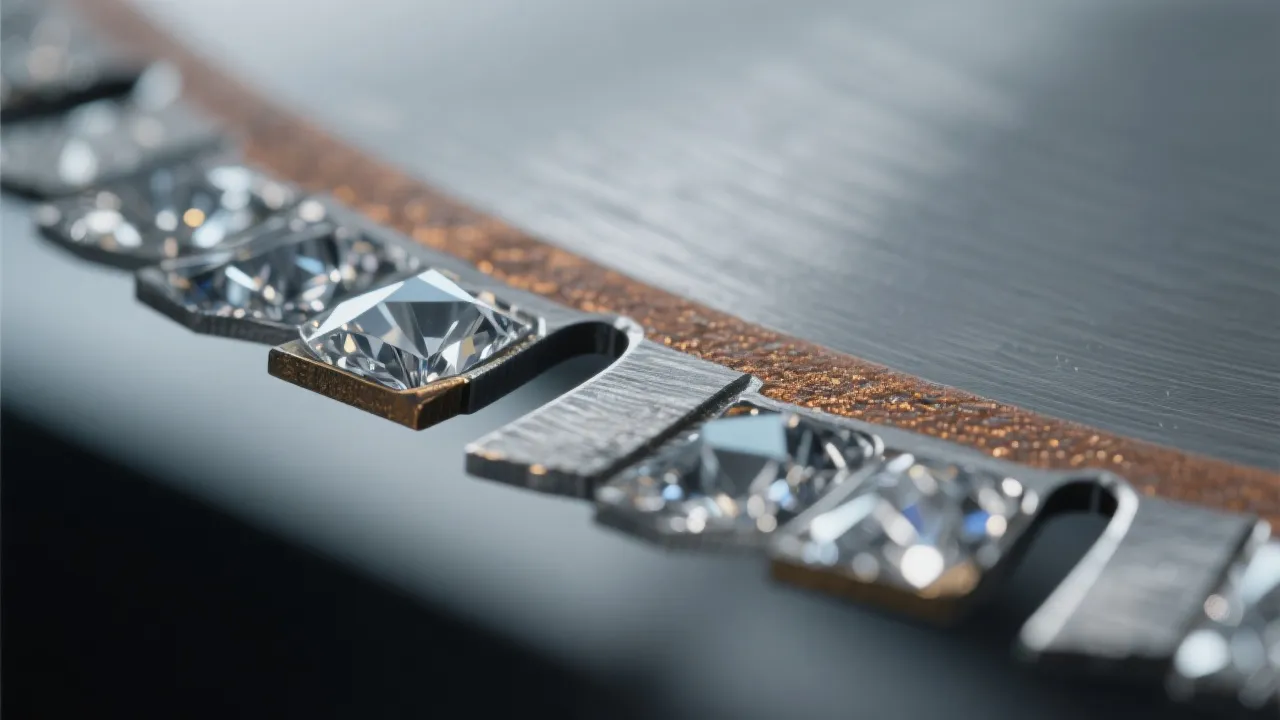
Vacuum brazed diamond grinding wheels are manufactured by bonding synthetic diamonds directly onto a metal core using a vacuum brazing process conducted at ultra-high temperatures. This unique technique ensures exceptional grit retention, uniform abrasive exposure, and superior heat dissipation compared to traditional resin-bonded wheels. Key benefits include:
When processing cast iron castings, vacuum brazed diamond grinding wheels excel by producing consistently smooth edges while minimizing secondary finishing requirements. Their high spark resistance and fine abrasive action enable operators to maintain productivity even under rigorous continuous operation.
| Performance Metric | Vacuum Brazed Diamond Wheel | Traditional Resin-Bonded Wheel |
|---|---|---|
| Tool Life (Hours) | 40 – 60 | 10 – 15 |
| Cutting Precision (Ra µm) | ≤ 0.8 | 1.5 – 2.5 |
| Thermal Damage Risk | Minimal | Moderate to High |
| Consistent Performance Over Runtime | >90% | ~60% |
Deploying vacuum brazed diamond grinding wheels in casting deburring workflows leads to measurable production gains. Companies report up to 35% reductions in cycle time due to faster material removal rates and more stable wheel performance. Moreover, improved edge finish quality reduces downstream rework by approximately 20%, directly lowering operational expenditures.
The reliable thermal management prevents casting distortion or micro-cracking—common defects linked to excessive heat from abrasive wear. Safer operation and reduced consumable waste align with environmental and workplace safety regulations, reinforcing compliance and corporate responsibility.
To maximize grinding wheel longevity and maintain consistent performance, operators should:
Implementing these practices ensures the grinding wheel’s cutting efficiency remains optimal while securing operator safety throughout the deburring process.
A leading foundry in Germany integrated vacuum brazed diamond grinding wheels into its casting finishing line. Post-adoption data showed a 42% increase in throughput and a 38% reduction in grinding consumables cost within six months. Additionally, product defect rates attributed to burr-related surface imperfections dropped by 50%, notably improving customer satisfaction.
This direct case experience underscores how investment in advanced grinding tools can deliver rapid ROI while fortifying manufacturing quality benchmarks.
.png?x-oss-process=image/resize,h_1000,m_lfit/format,webp)
.png?x-oss-process=image/resize,h_1000,m_lfit/format,webp)
.png?x-oss-process=image/resize,h_1000,m_lfit/format,webp)
.png?x-oss-process=image/resize,h_1000,m_lfit/format,webp)