Vacuum Brazed Diamond Grinding Wheels for Smart Manufacturing Upgrades in Automotive Parts
19 02,2026
UHD
Special report
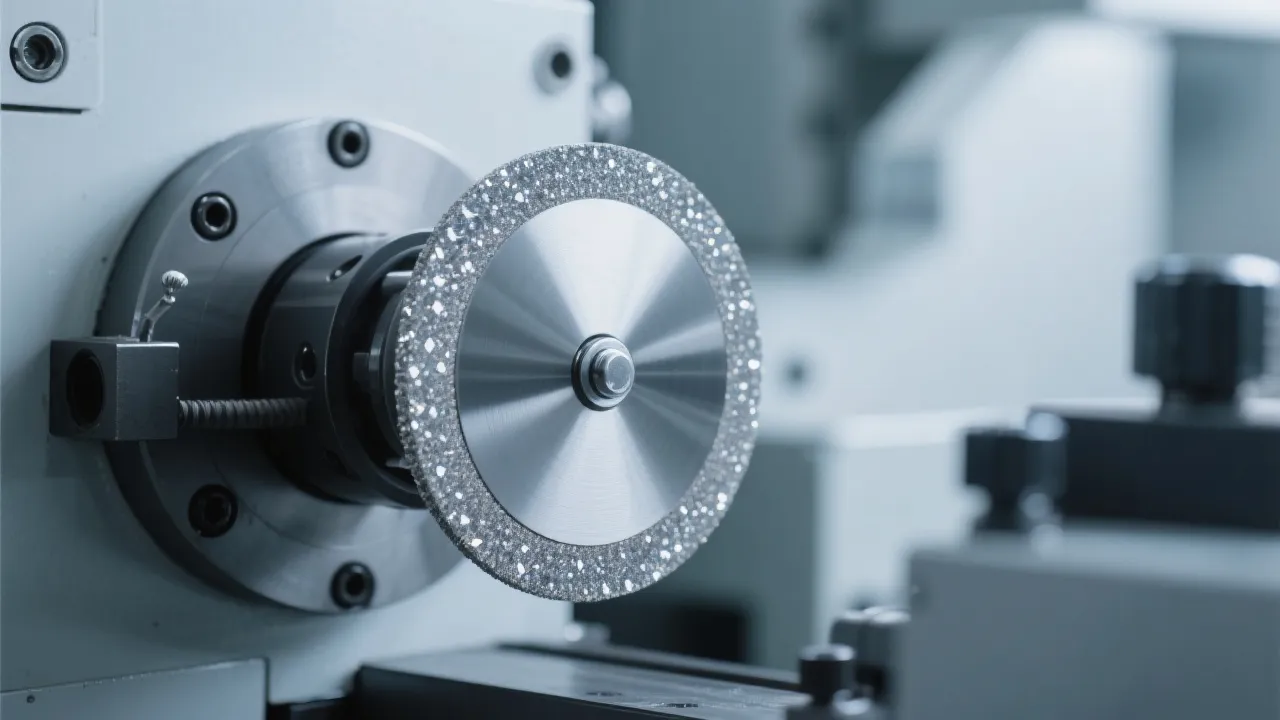
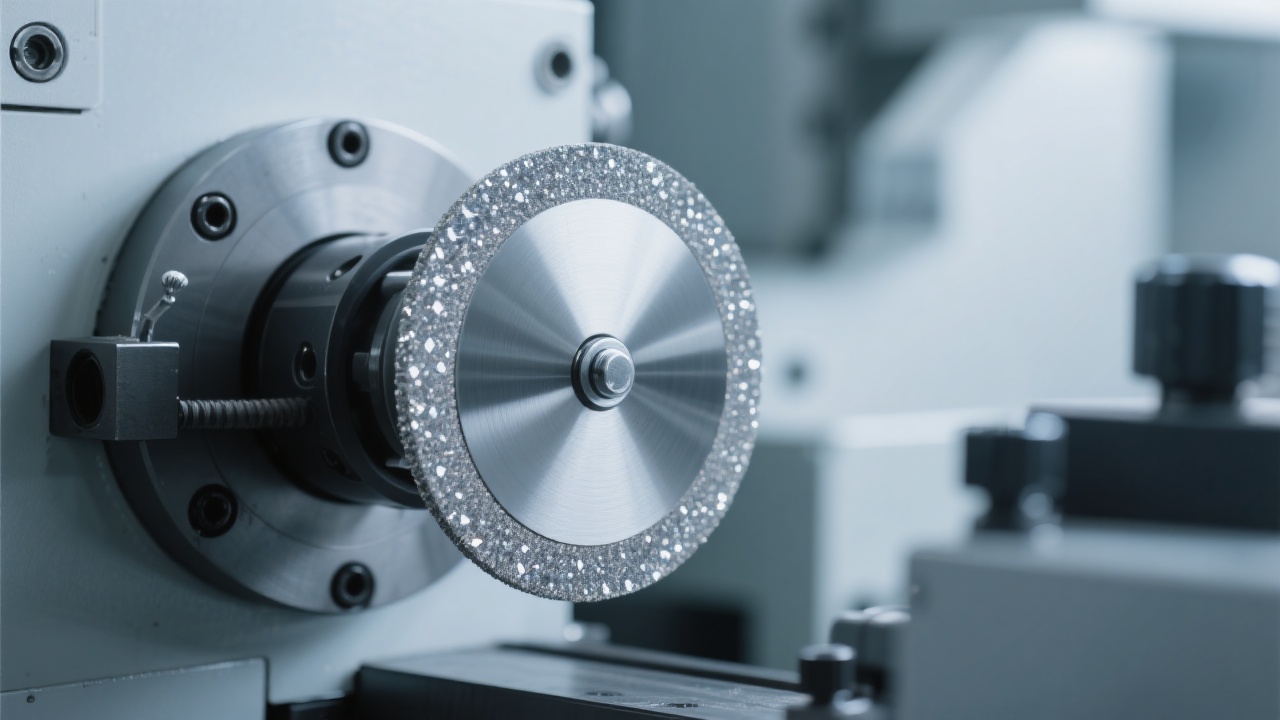
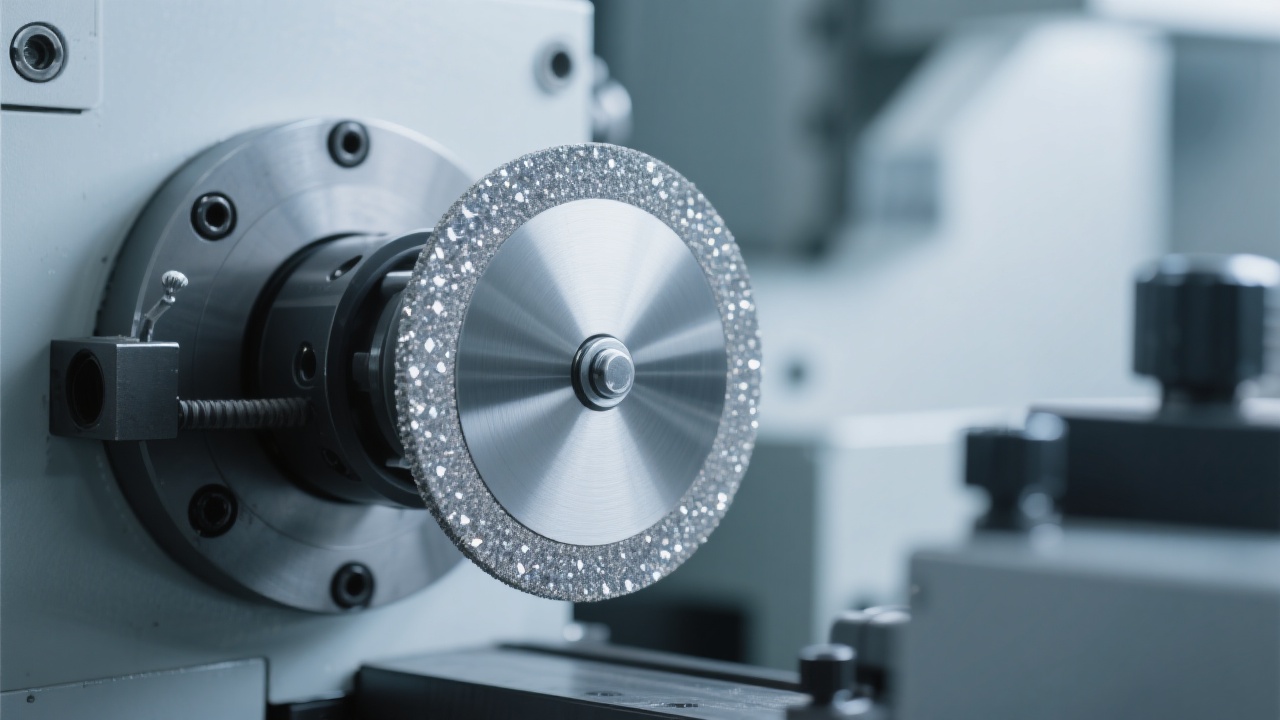
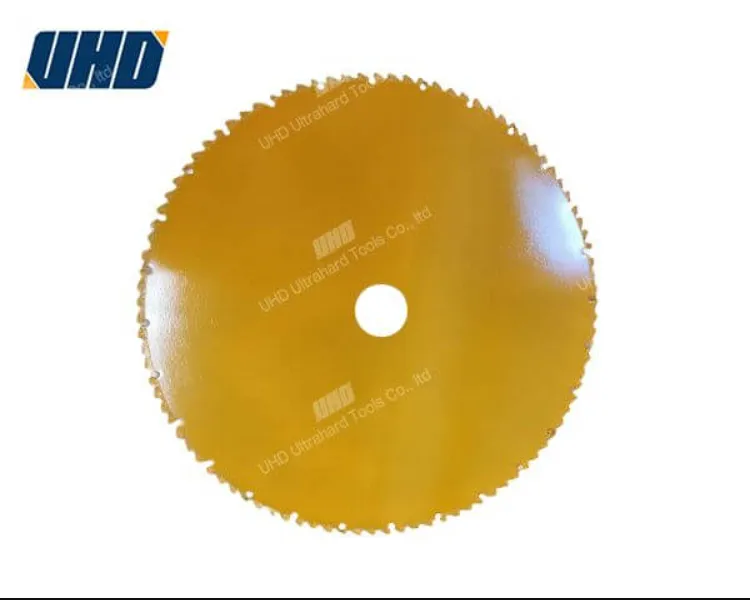
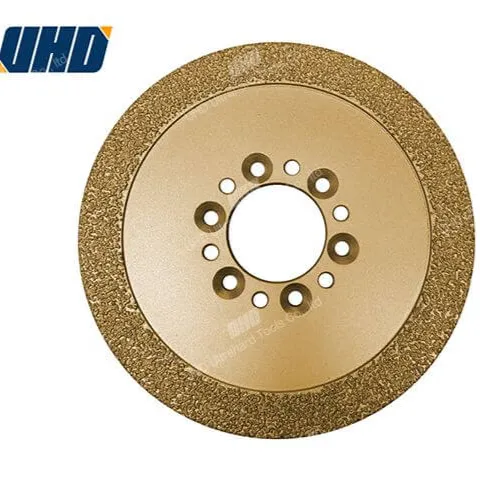
As smart manufacturing and green production accelerate across the automotive supply chain, automated grinding solutions are becoming critical to improving throughput while maintaining tight tolerances. Henan YOUDE Superhard Tools Co., Ltd. has developed vacuum brazed diamond grinding wheels for automated grinding, designed to support intelligent production upgrades in automotive parts manufacturing. By leveraging strong grain retention from vacuum brazing and a stable cutting profile, these wheels help increase material removal efficiency, reduce cycle time, and extend tool life under continuous, automated operation. In parallel, the product concept aligns with greener production goals by improving processing efficiency and reducing consumable waste, supporting manufacturers seeking both productivity gains and sustainability improvements. The full report highlights practical production-line applications and measurable outcomes—such as shorter processing time and longer wheel service life—while also emphasizing YOUDE’s engineering support, customization capability, and quality compliance for high-volume automotive manufacturing.
Why Automotive Parts Grinding Is Being Rewritten by Smart & Green Manufacturing
In automotive component manufacturing, the grinding station is often where “smart factory” ambitions meet real-world constraints: cycle-time pressure, tool wear, inconsistent surface quality, and increasingly strict environmental targets. Against this backdrop, vacuum brazed diamond grinding wheels for automatic grinding—developed and supplied by Henan Yode Superhard Tools Co., Ltd.—are emerging as a practical upgrade path for manufacturers looking to improve throughput, stabilize precision, and reduce consumables.
Best fit for:
Automated grinding lines, robotic cells, and high-volume automotive parts where repeatability matters.
Primary value:
Higher grinding efficiency, longer wheel life, and greener production with fewer wheel changes and less waste.
The Industry Shift: Automation, Traceability, and Low-Impact Production
Automotive suppliers are under dual pressure: deliver more parts per hour while proving process capability and environmental responsibility. In real plants, that translates into measurable requirements—stable surface roughness, repeatable dimensional accuracy, predictable tool life, and reduced downtime.
Traditional abrasive wheels can struggle in automated contexts because their performance tends to drift as the wheel wears, dressing intervals vary, and the process becomes sensitive to operator intervention. A vacuum brazed diamond wheel, by contrast, is designed to hold cutting points more consistently under demanding grinding conditions—especially when the goal is stable output on an automated line.
Key takeaway (for manufacturing managers)
In automated grinding, the wheel is not a “consumable detail”—it is a process stability component. The right wheel choice can reduce the frequency of parameter re-tuning, lower scrap risk, and protect takt time.
What Makes a Vacuum Brazed Diamond Grinding Wheel Different?
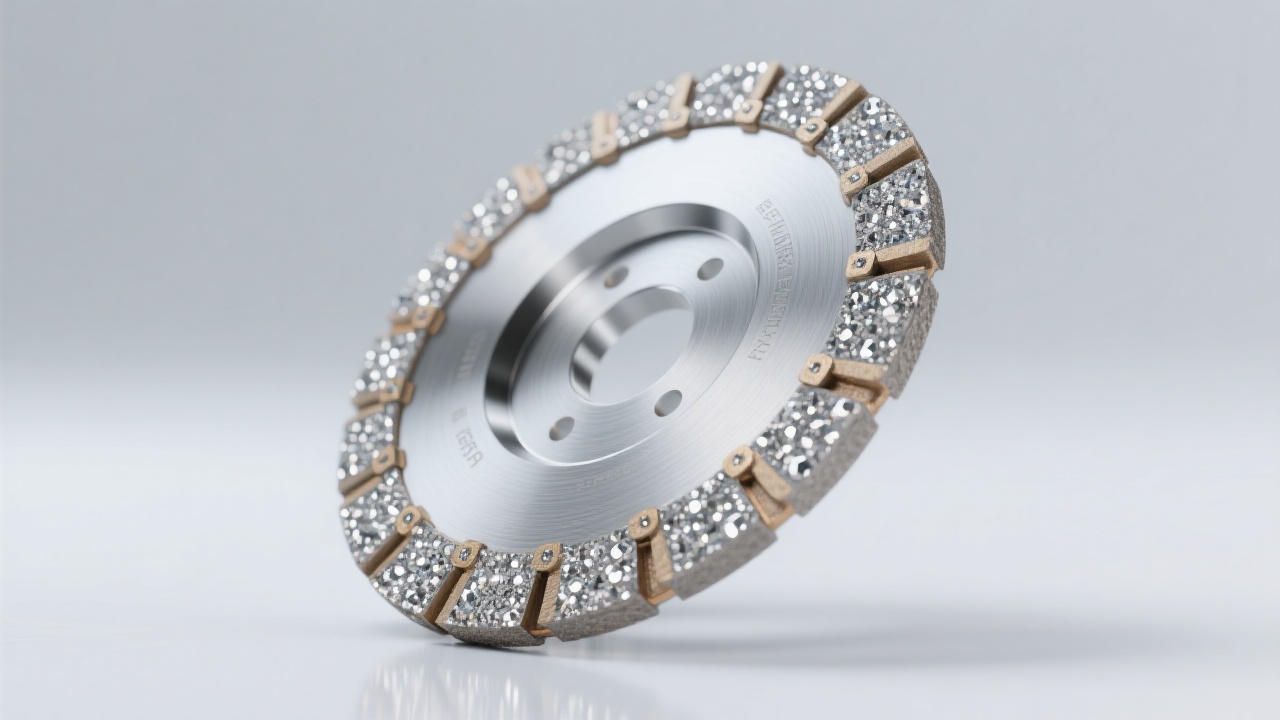
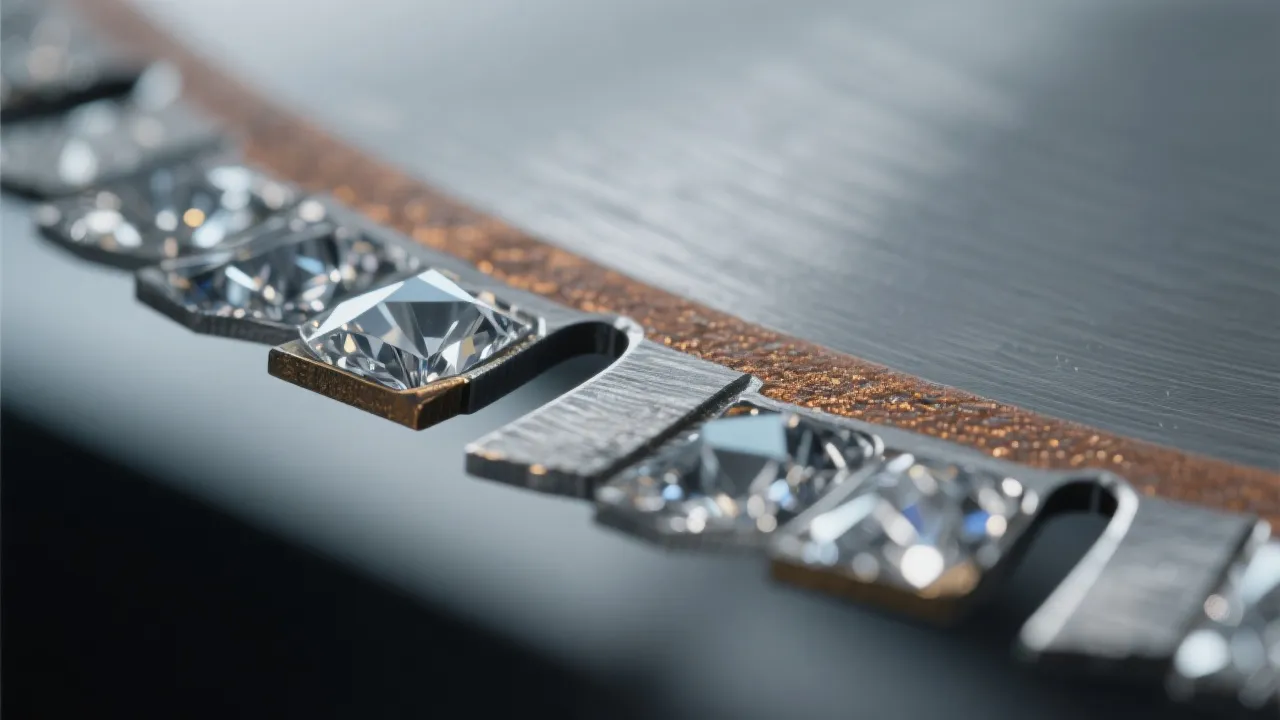
Vacuum brazing is a bonding method that securely attaches diamond abrasive grains to the wheel body via a brazed metal layer formed under vacuum conditions. In practical production terms, this structure can deliver more open chip space, effective heat dissipation, and a cutting action that stays “sharp” longer than many conventional grinding solutions.
1) Higher grinding efficiency
With more effective exposure of diamond cutting edges, manufacturers typically see faster stock removal and more stable cycle times. In automotive parts grinding, it is common to target a 15–35% reduction in grinding time per part after parameter tuning.
2) Longer service life, fewer changeovers
A longer-lasting wheel directly reduces line interruptions. In high-volume lines, users often report 2–5× wheel life versus conventional solutions in comparable conditions, especially where dressing and frequent wheel replacement previously consumed maintenance time.
3) Precision support for automated cells
Stable cutting behavior helps automated systems maintain consistent surface finish and geometry. Typical targets in automotive applications include Ra 0.4–1.6 μm depending on part function and material, with reduced variability over longer runs.
4) Greener operations by design
Less frequent wheel replacement and fewer process upsets mean lower consumable waste. Many plants also see 10–20% lower total energy per part when cycle time drops and rework/scrap decreases—supporting internal ESG goals.
Application Snapshot: Upgrading an Automotive Grinding Station Without Rebuilding the Line
Consider a typical automotive supplier grinding operation producing high-volume precision components. The plant objective is straightforward: reduce cycle time while keeping the same tolerance window, and avoid adding complexity for operators.
After switching to an automatic grinding vacuum brazed diamond wheel, the line can be optimized for a steadier cutting condition—often with fewer dressing interruptions and less need for mid-shift adjustment. The biggest visible change is not only faster throughput, but also the consistency that automation depends on.
Green Production: Less Waste, Fewer Disruptions, Cleaner Output
“Green” in machining is not just about materials—it’s about a production system that wastes less time, consumes fewer consumables, and generates fewer defective parts. In grinding, even small instability can silently create scrap or rework that inflates the environmental footprint.
By extending wheel life and improving process stability, vacuum brazed diamond wheels can help reduce the hidden waste of frequent shutdowns, requalification checks, and repeated setup. For plants pursuing internal sustainability targets, that operational consistency is often the fastest route to measurable improvement.
What Buyers Usually Ask Before Switching (and What Matters Most)
Will it fit our machine and automation setup?
The wheel specification should match spindle capability, flange/arbore size, grinding method, and robotic toolpath strategy. This is where customization (dimensions, grit, bond design) prevents “trial-and-error” costs.
Can it hold tolerance across long production runs?
The decision should be based on how stable the process remains after hours of continuous grinding—especially on parts tied to NVH, sealing, or fatigue performance.
Do we get technical support during ramp-up?
Successful conversion typically includes parameter suggestions, trial planning, and process validation support. Henan Yode Superhard Tools positions its service around application guidance, custom design, and quality control documentation aligned with industrial procurement expectations.
CTA: Upgrade Your Automated Grinding with a Vacuum Brazed Diamond Wheel Built for Automotive Production
If your goals include faster cycle time, fewer wheel changes, and a cleaner, more stable grinding process, it’s time to evaluate a purpose-built solution for automation.
Recommended for RFQ: workpiece material, target Ra, current cycle time, machine model, coolant type, and monthly volume—so the wheel can be matched accurately.





.png?x-oss-process=image/resize,h_1000,m_lfit/format,webp)




