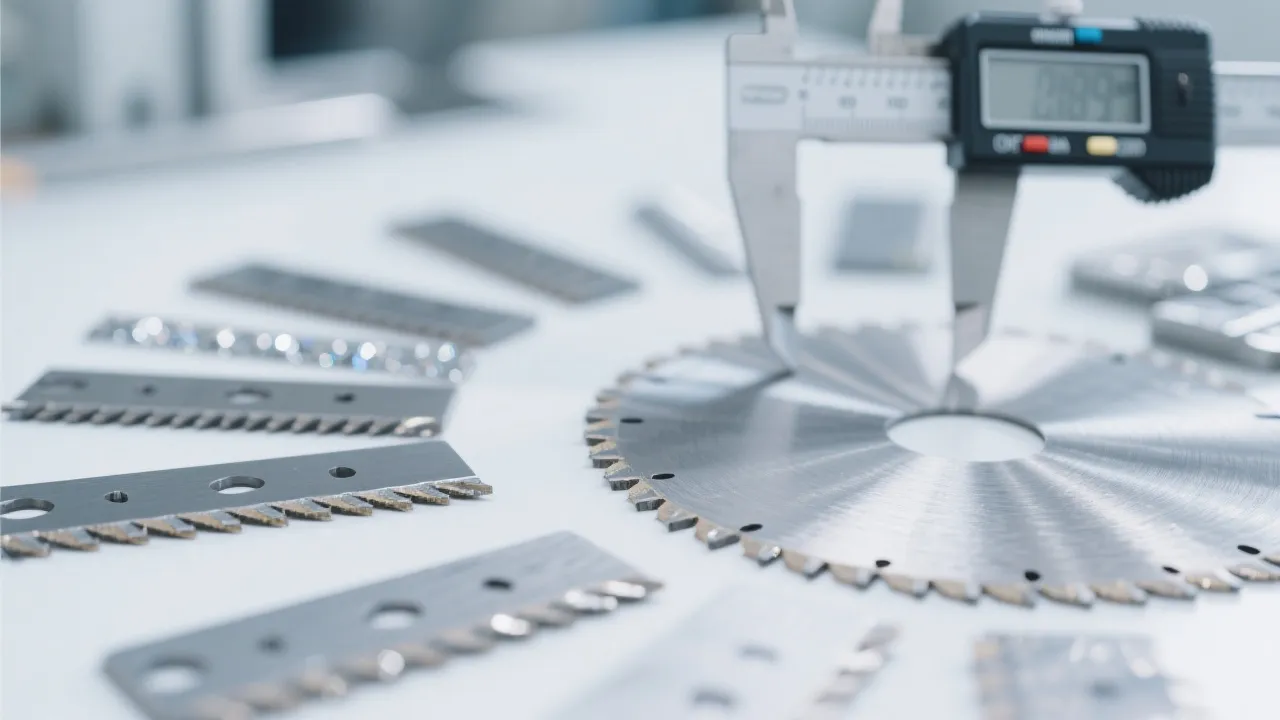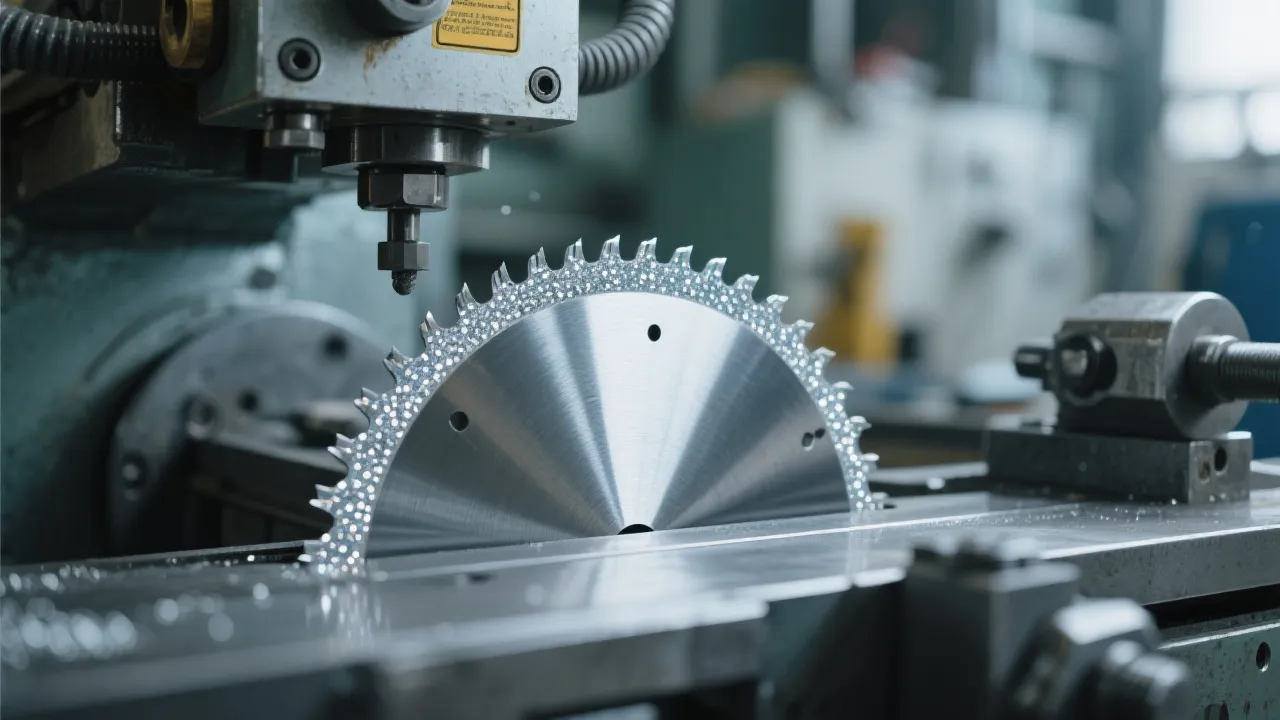
In the competitive world of metal processing, precision and efficiency are paramount. The advent of vacuum brazed diamond grinding wheels has transformed deburring technologies, particularly in challenging applications such as cast iron and ductile iron surface finishing. This article delves into the technical superiority and practical benefits of these tools, demonstrating how their high sharpness and extraordinary durability drive productivity gains, reduce downtime, and ensure safer, cleaner operations.
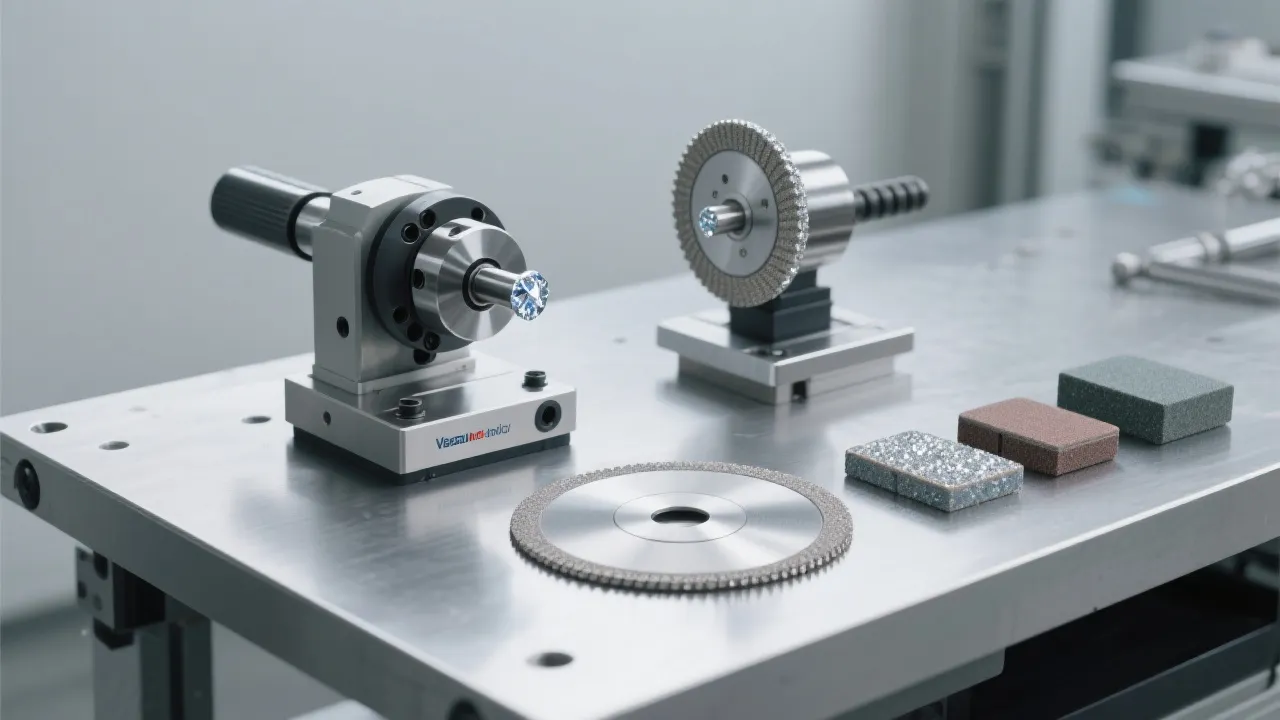
Vacuum brazing technology tightly bonds industrial-grade diamond grains directly onto a metal wheel core without intermediary adhesives, creating a grinding surface with unmatched sharpness and longevity. This process imparts precise geometric control over grain distribution, enhancing cutting efficiency while minimizing heat generation during deburring. With up to three times sharper cutting edges and a lifespan exceeding traditional resin-bonded wheels by 100x, these wheels excel at removing burrs and polishing cast iron surfaces with minimal abrasive wear.
Conventional resin-bonded grinding wheels often suffer from rapid wear, reduced sharpness, and increased heat generation — factors that contribute to frequent wheel changes and unplanned production halts. These issues escalate operational costs and compromise product quality consistency. In contrast, vacuum brazed diamond grinding wheels deliver steady cutting performance over extended cycles. Independent industry testing confirms:
By integrating these wheels, manufacturing facilities routinely enhance throughput by 20-30% while maintaining stringent surface finish standards.
Due to the robust bonding and precise metal surface grinding, vacuum brazed wheels operate with minimal dust generation compared to resin wheels. This "dust-free" performance substantially improves shop floor air quality, safeguarding workers’ respiratory health. Moreover, stable grit retention lowers wheel fragmentation risks, augmenting operator safety and reducing workplace incidents.
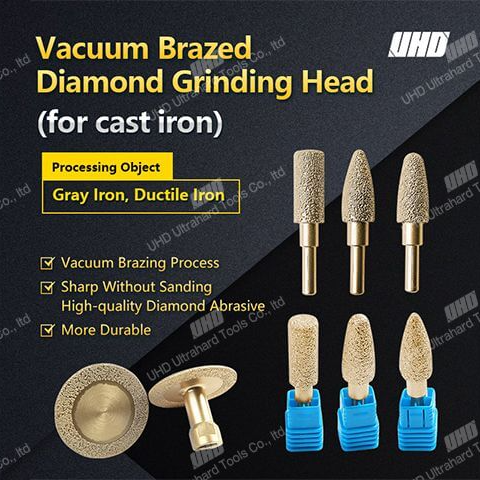
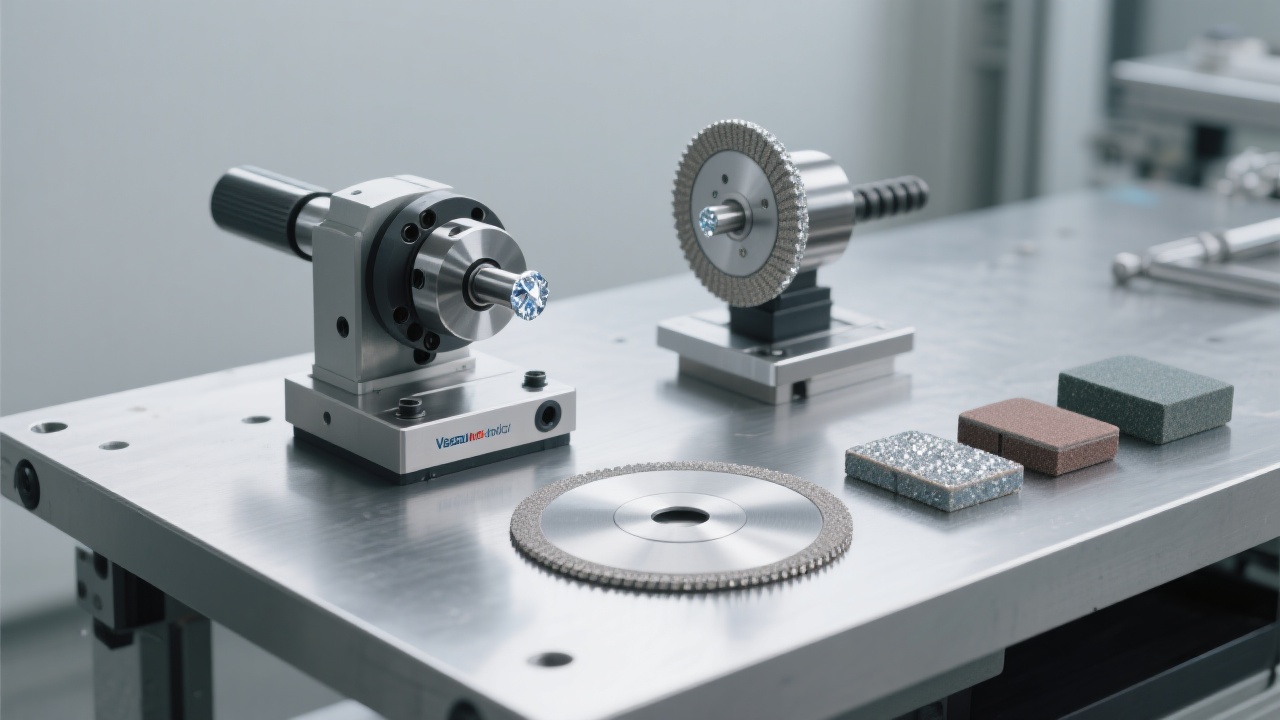
A significant advantage of these grinding wheels lies in their customizable geometric designs tailored to specific processing requirements. From varied grit sizes to special wheel contours, these adjustments allow manufacturers to optimize burr removal on complex cast iron or ductile iron geometries. This flexibility enhances machining precision and reduces rework rates, ensuring tighter tolerances and superior part quality.
Company technical support teams engage in detailed process consultation and on-site testing, helping clients select and tune wheel parameters for maximal ROI. Comprehensive quality certifications and rugged durability further build end-user confidence in integrating these wheels into critical production lines.
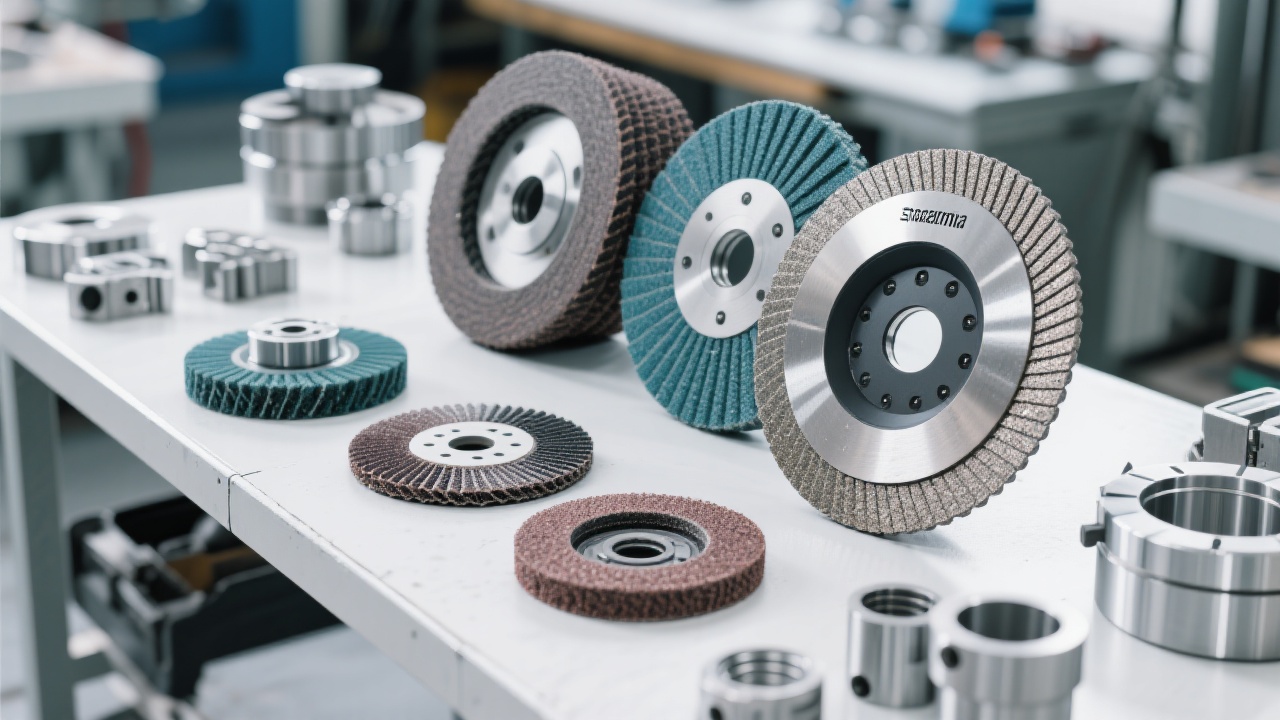
Beyond boosting operational efficiency, vacuum brazed diamond grinding wheels contribute significantly to lowering total cost of ownership. Their ultra-long service life slashes consumable procurement frequency, while improved cutting effectiveness reduces cycle times and equipment wear. Additionally, decreased downtime for maintenance translates into higher overall line availability and throughput.
Manufacturers leveraging this technology have reported up to 35% reduction in maintenance costs and a 25% gain in throughput, culminating in improved profit margins and stronger market competitiveness.
.png?x-oss-process=image/resize,h_1000,m_lfit/format,webp)


.png?x-oss-process=image/resize,h_1000,m_lfit/format,webp)