

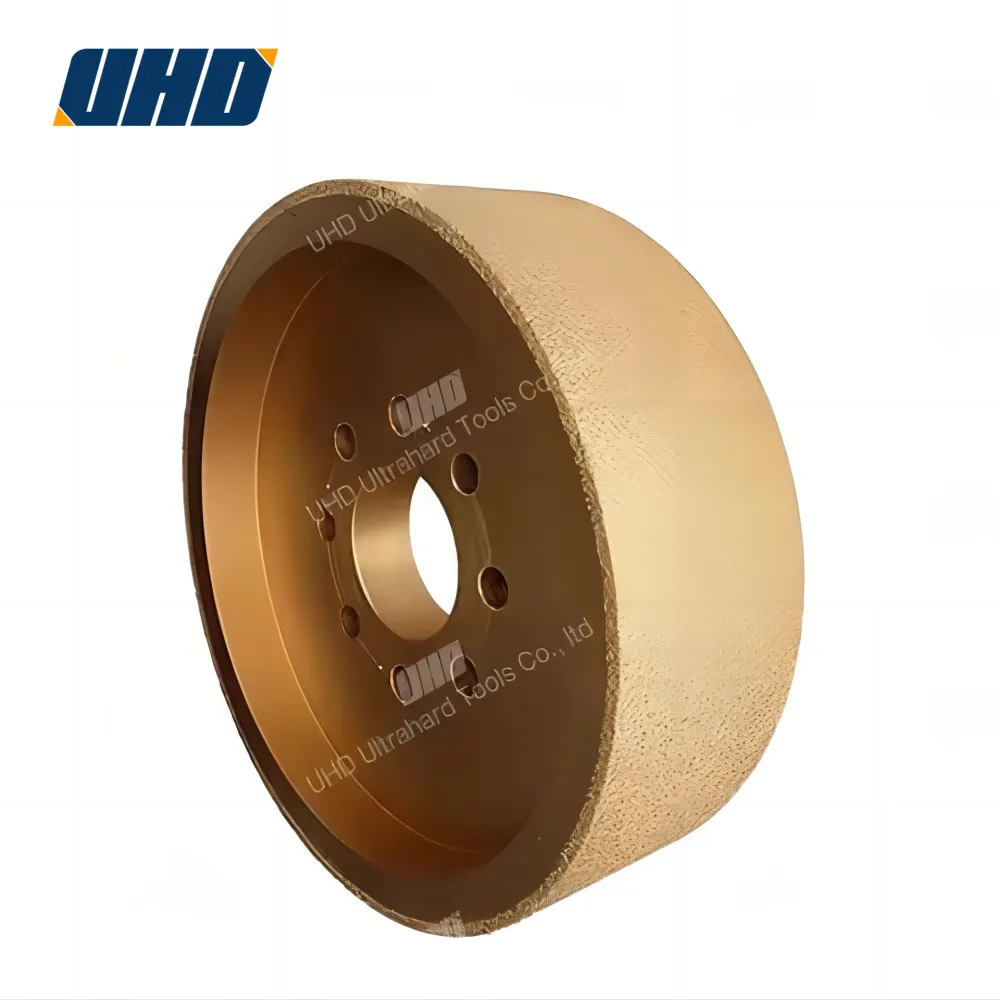
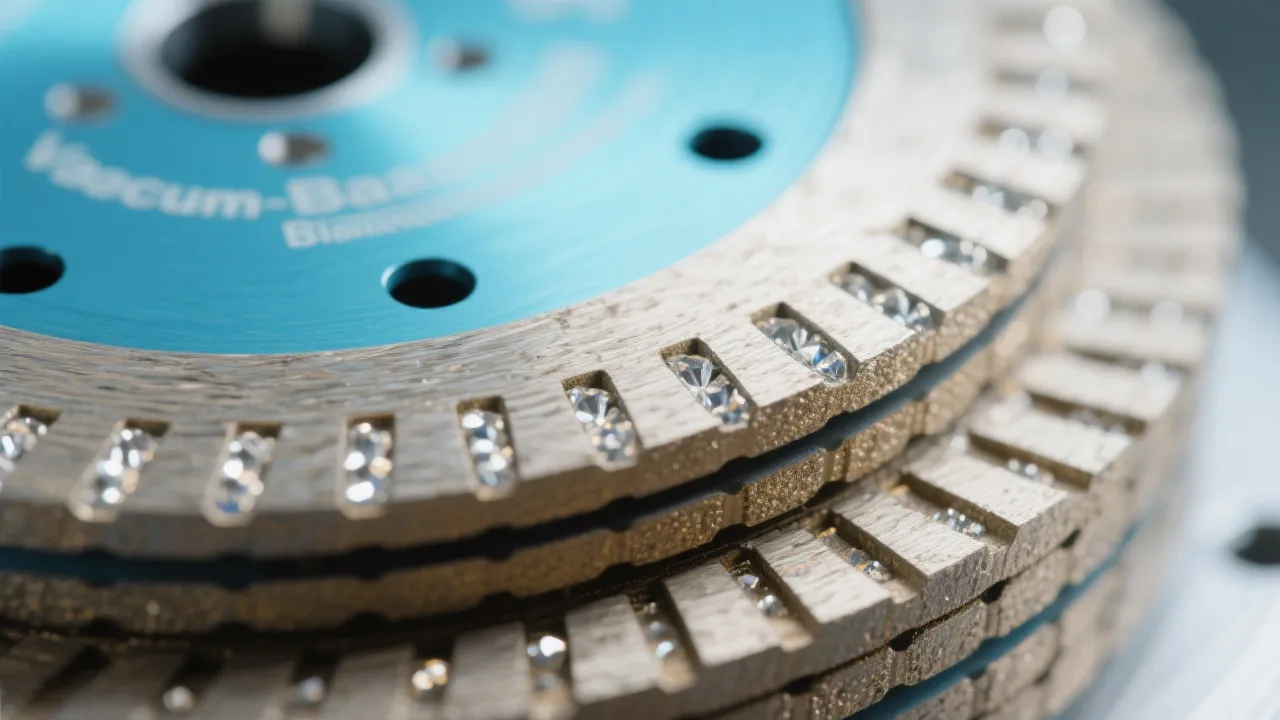
The evolution of cutting tools in metal processing has reached a notable milestone with the introduction of high-performance vacuum brazed diamond cutting grinding wheels. Unlike traditional resin-bonded tools, which rely on adhesives that tend to degrade quickly under high temperatures and mechanical stress, vacuum brazing technology fuses diamond particles directly to the metal substrate at atomic levels. This results in a dramatic leap in mechanical strength and thermal conductivity, guaranteeing superior performance in demanding industrial applications.
Empirical tests demonstrate that vacuum brazed diamond wheels enhance sharpness by a factor of 3 compared to resin-bonded alternatives—translating into cleaner, faster cuts with less force exerted. Moreover, the robust bond ensures longevity, extending tool life by approximately 100 times, significantly reducing downtime and tooling expenses for foundries.
The precise atomic fusion inherent in vacuum brazing conserves the natural hardness and geometric integrity of industrial-grade diamond edges. This preservation results in grinding wheels maintaining their peak sharpness throughout extended usage cycles, boosting metal cutting throughput by up to 35%. Users report markedly reduced cycle times, increasing operational productivity.
Traditional grinding tools suffer from abrasive wear and frequent chipping, leading to inconsistent finishes and the need for replacement. Vacuum brazed diamond wheels boast enhanced wear resistance due to superior bonding and diamond purity. Data from in-field testing corroborates a wear rate reduction of over 90%, which directly decreases tooling costs and frequency of changeovers.
The manufacturing process eliminates the use of resin binders, which often generate unpleasant odors and harmful dust particles during operation. The vacuum brazed technology thus provides a virtually dust-free, odorless grinding environment, aligning perfectly with modern occupational health and environmental standards mandated in foundries worldwide.
Specialized design logic drives the geometry and segmentation of vacuum brazed diamond wheels to meet the unique demands of cast iron and ductile iron burr removal. These materials feature heterogeneous microstructures and often present complex burr profiles requiring delicate but decisive machining.
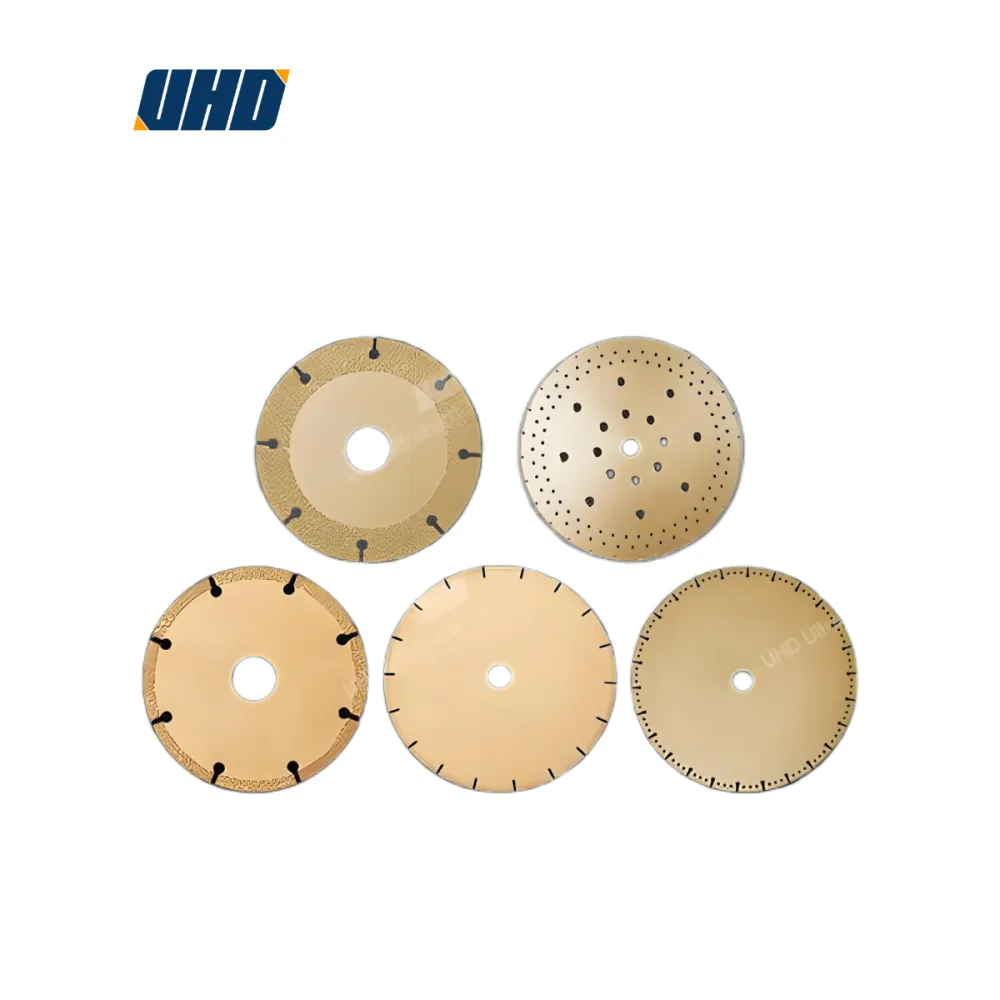
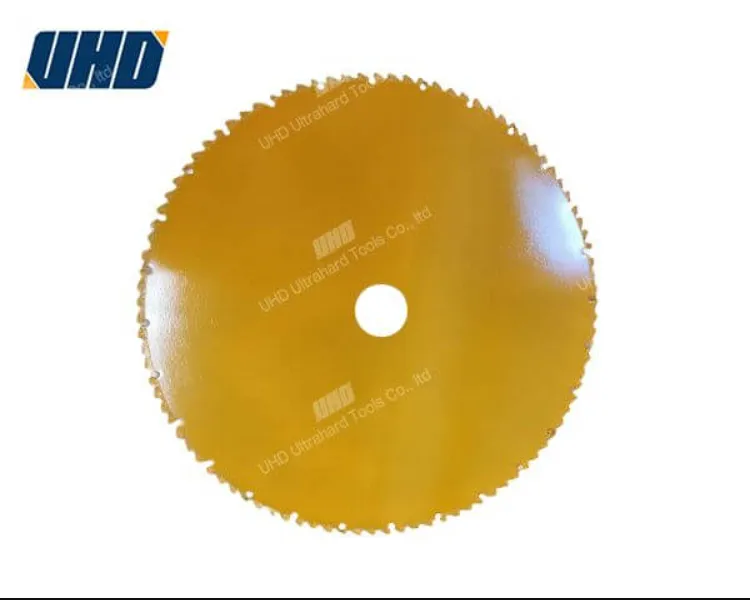
Modern diamond cutting wheels deploy segmented blades arranged with calculated pitch and angles tailored to accelerate burr shearing while minimizing surface damage to workpieces. This geometry supports enhanced chip evacuation and improved heat dissipation, both critical parameters for maintaining part integrity and minimizing post-grind finishing.
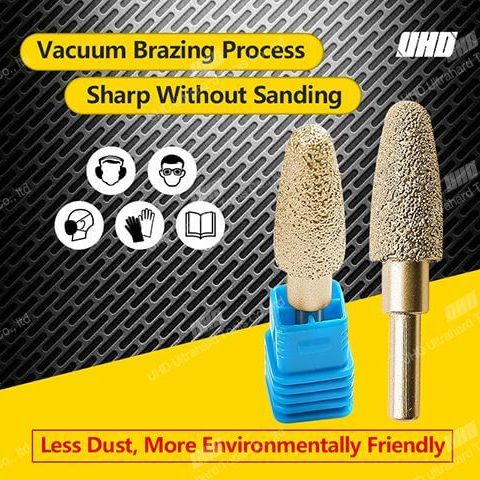
The green credentials of vacuum brazed diamond cutting wheels set new benchmarks for sustainable manufacturing. By removing organic resins, the grinding process emits no harmful volatile organic compounds (VOCs) or strong odors. Dust levels are minimized due to the durable, non-degrading bond between diamonds and the metallic base.
This reduction in airborne contaminants not only protects worker health over long shifts but also decreases the burden of air filtration systems and maintenance measures in foundry environments, leading to indirect operational savings.
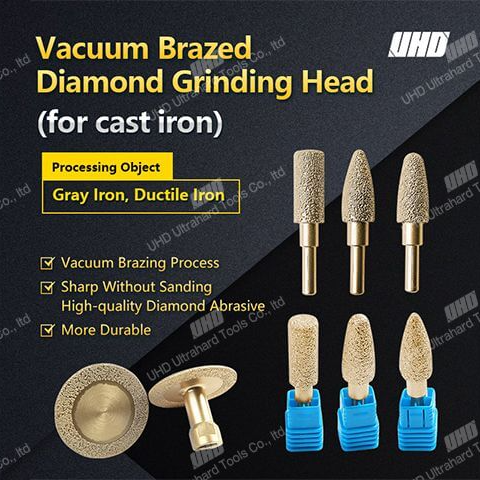
Recognizing the diversity in foundry operations, vacuum brazed diamond wheel manufacturers offer tailored engineering consultations to optimize grinding parameters and wheel specifications. This bespoke approach ensures compatibility with specific metal grades, burr complexities, and machine tool configurations, maximizing output efficiency.
Case studies from leading industrial clients indicate reductions in cutting cycle times by 30% and tooling expenditure by up to 60%, facilitated by comprehensive on-site assessments and iterative product refinement.


.png?x-oss-process=image/resize,h_1000,m_lfit/format,webp)


.png?x-oss-process=image/resize,h_1000,m_lfit/format,webp)





