Optimizing Vacuum Brazed Diamond Saw Blades for High-Speed Cutting: Selection and Performance Guide
28 03,2026
Application Tips
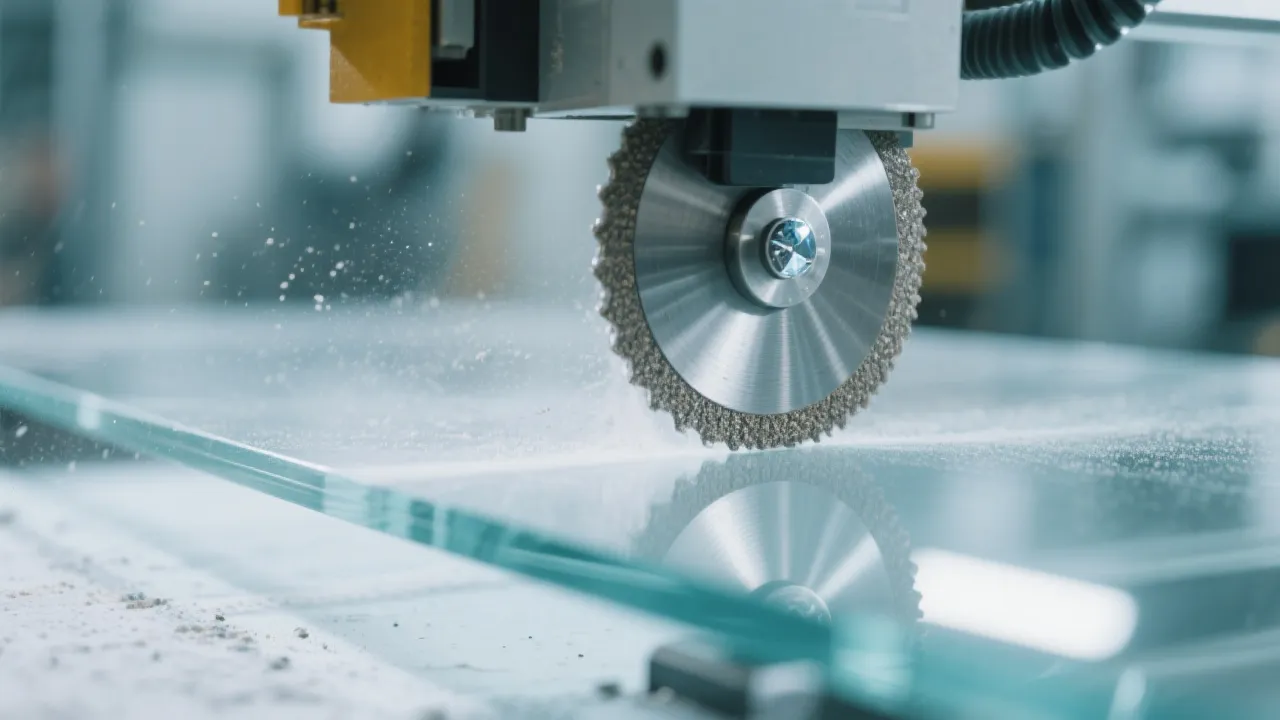
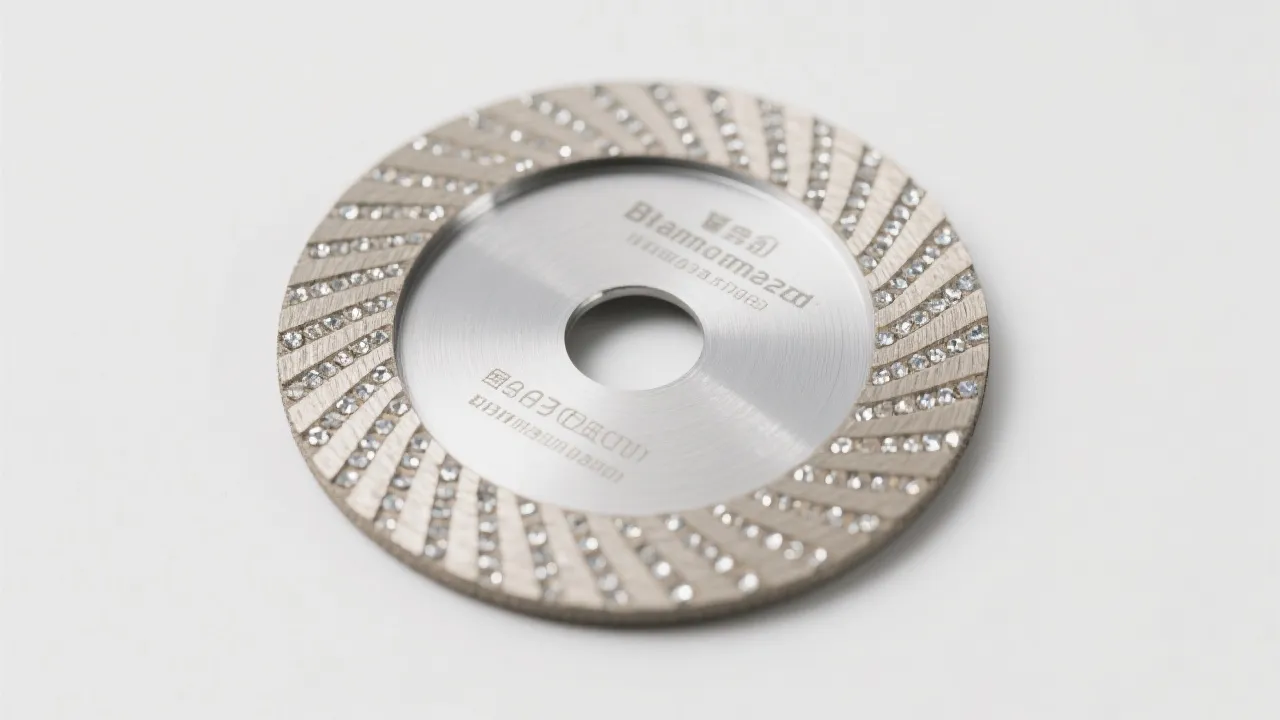
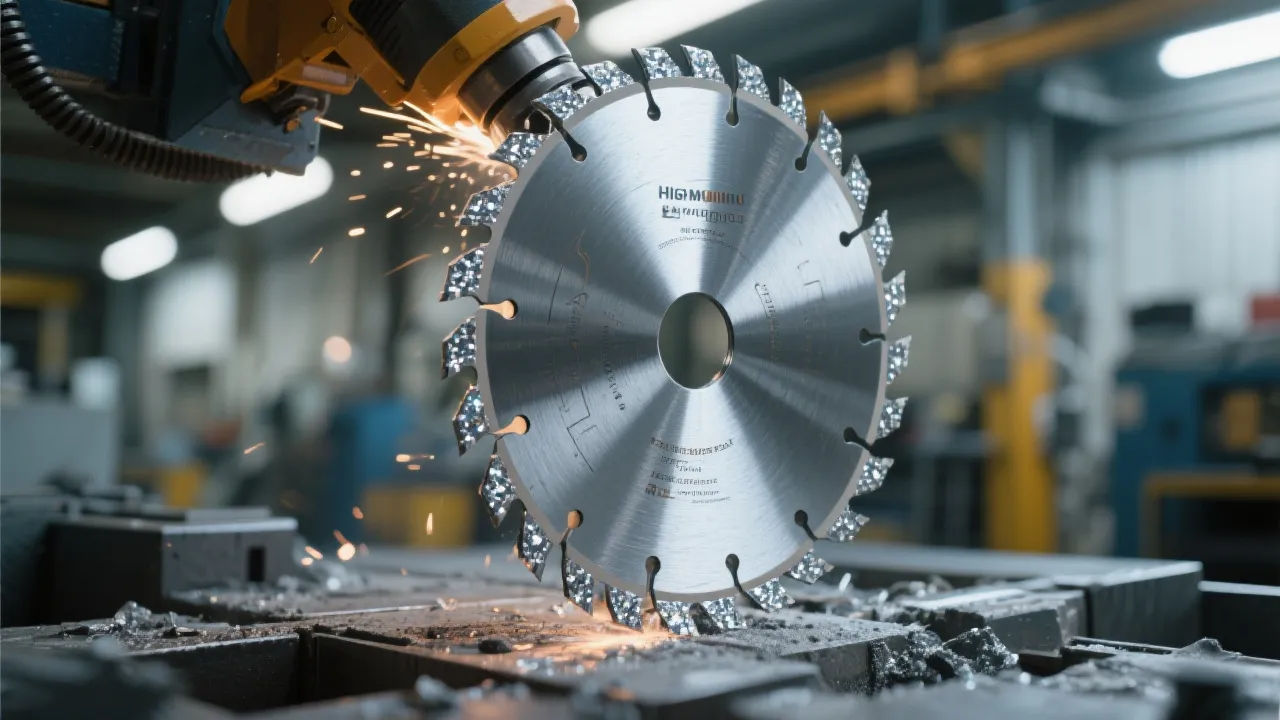
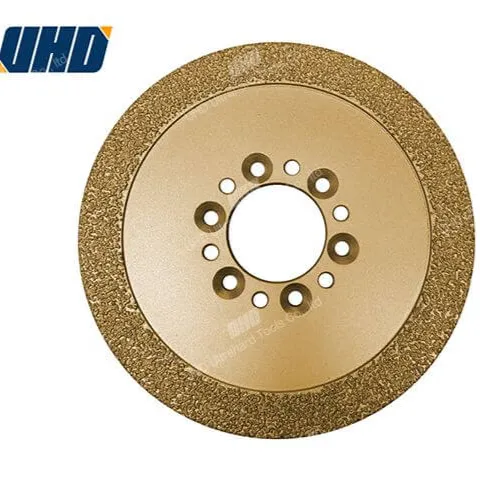
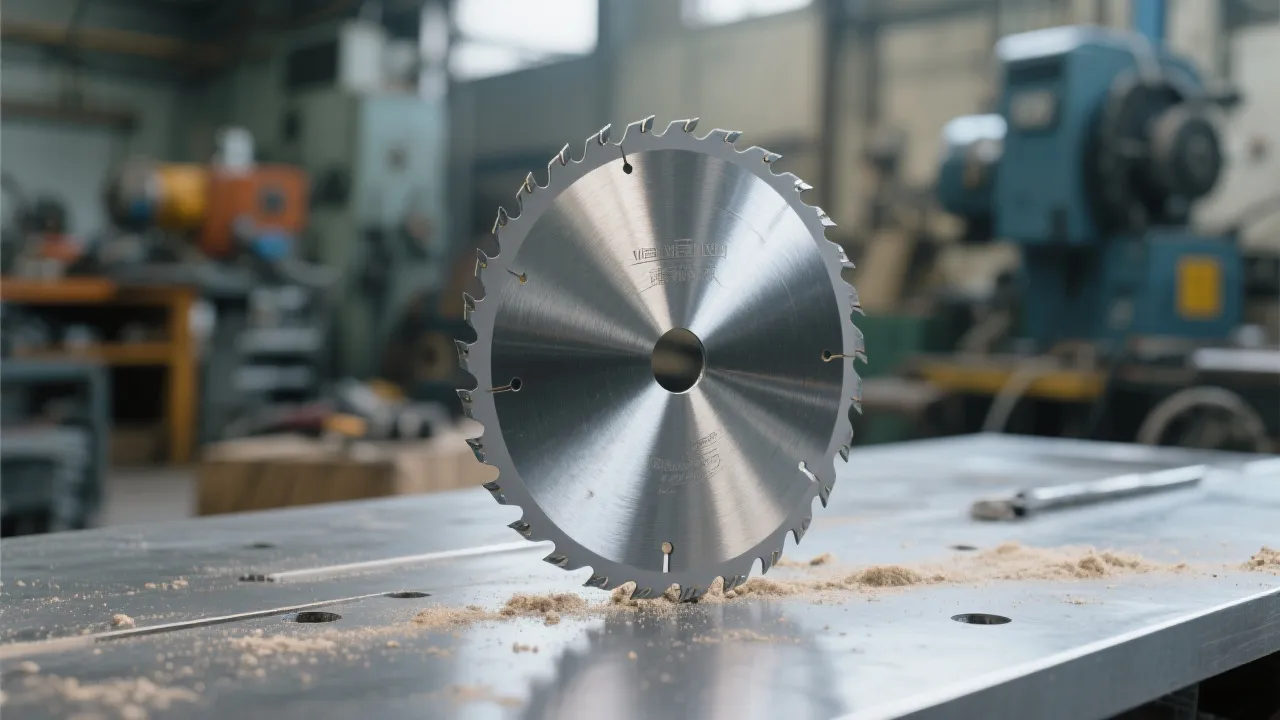
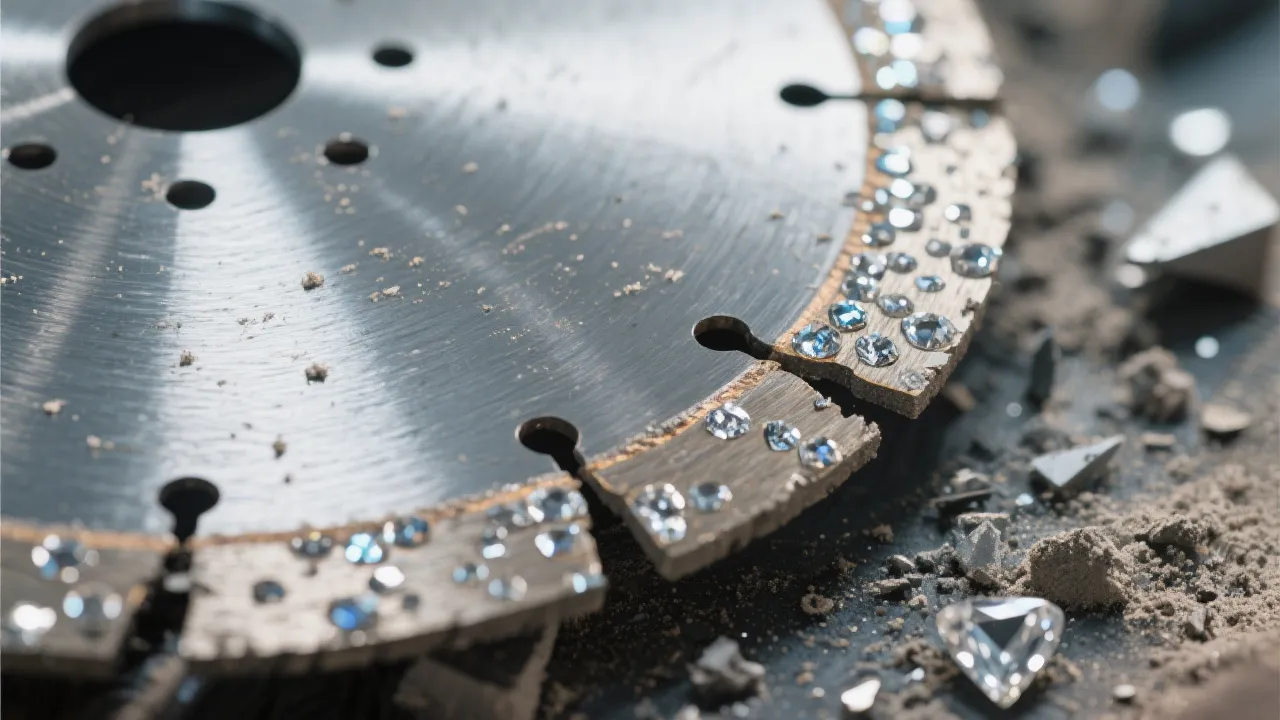
In high-power, high-speed industrial cutting applications, selecting the right vacuum brazed diamond saw blade is critical for operational efficiency and safety. This article provides an in-depth analysis of blade performance across different rotational speed ranges, comparing models such as UDS 600M16 and UDS 400amp 80. It offers practical guidance on blade installation, cooling strategies, vibration detection, and routine maintenance to enhance blade lifespan and cutting stability. By mastering these key parameters, you can avoid up to 90% of blade failures, ensuring consistent production and optimized costs.
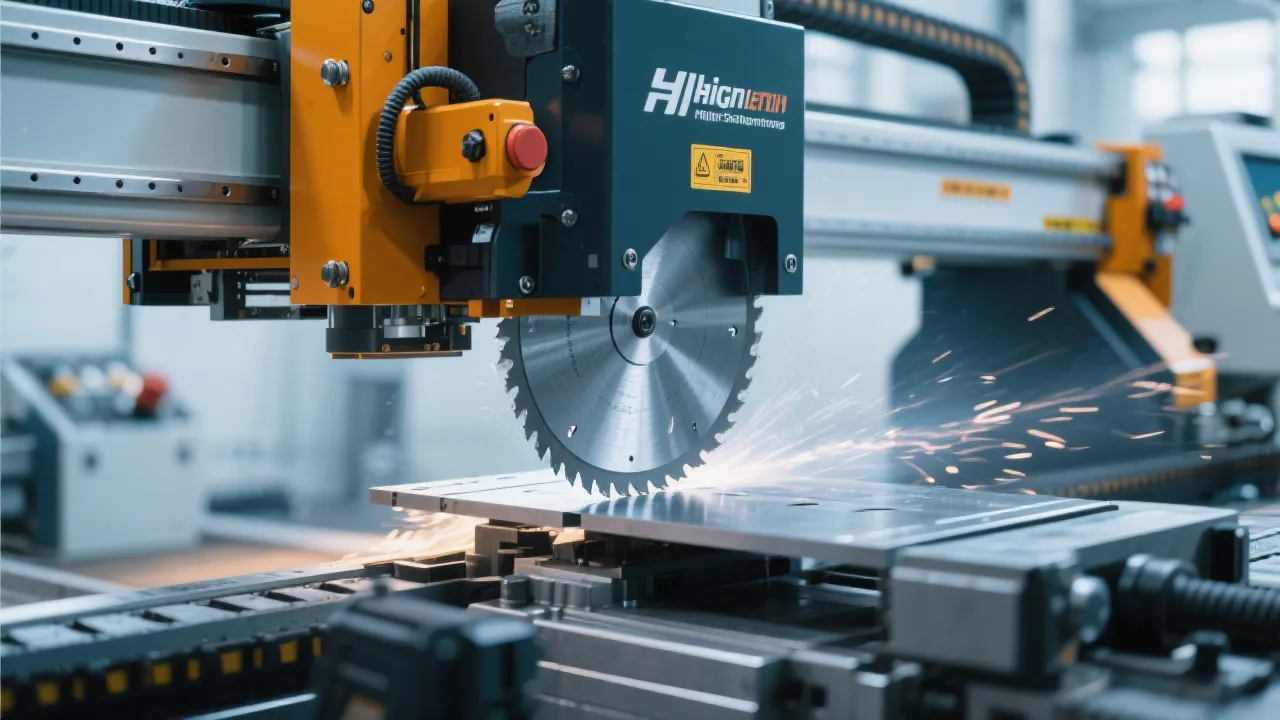
Precision Selection of Vacuum Brazed Diamond Saw Blades for High-Speed Cutting Environments
When your cutting operations demand high-speed, high-power performance, the stakes for choosing the right saw blade are incredibly high. Improper selection not only compromises cutting efficiency but also raises serious safety concerns and costly downtime. How do you ensure your vacuum brazed diamond saw blades meet the rigorous demands of your industrial environment?
Understanding Wear Mechanisms and Thermal Stability Across Speed Ranges
Cutting speeds can be broadly categorized into low (< 1000 RPM), medium (1000–3000 RPM), and high (> 3000 RPM) zones. Each presents unique challenges in blade wear and thermal management:
- Low-Speed: Dominated by mechanical abrasion; wear is gradual but uneven, often resulting in blade chipping.
- Medium-Speed: A balance between abrasive wear and local heat buildup; thermal softening may accelerate matrix degradation.
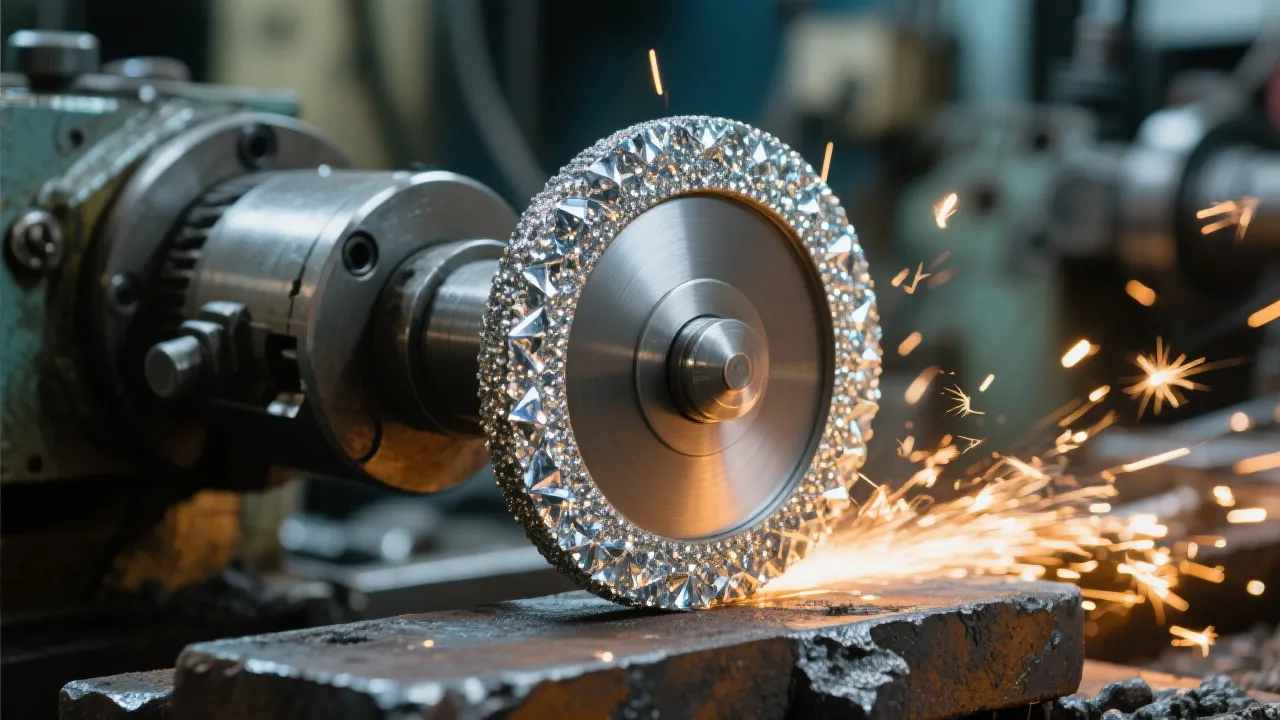
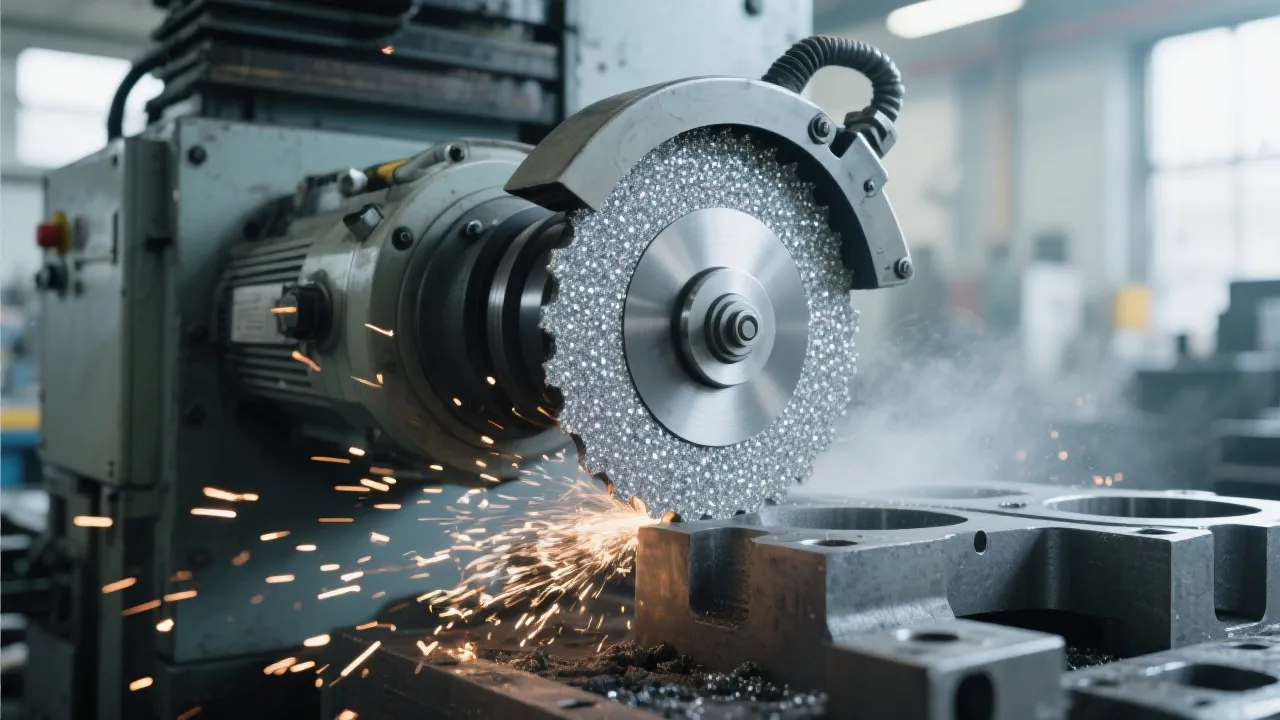
- High-Speed: Intense friction causes significant heat generation; thermal stability becomes the critical factor influencing blade longevity.
Our internal tests demonstrate that at speeds above 3500 RPM, traditional brazed blades experience up to 40% faster wear without optimized heat dissipation features. Selecting blades designed with enhanced thermal conductivity materials and vacuum brazing precision can reduce this wear rate by nearly 30%, directly extending operational life.
Comparative Performance: UDS 600M16 vs UDS 400amp 80
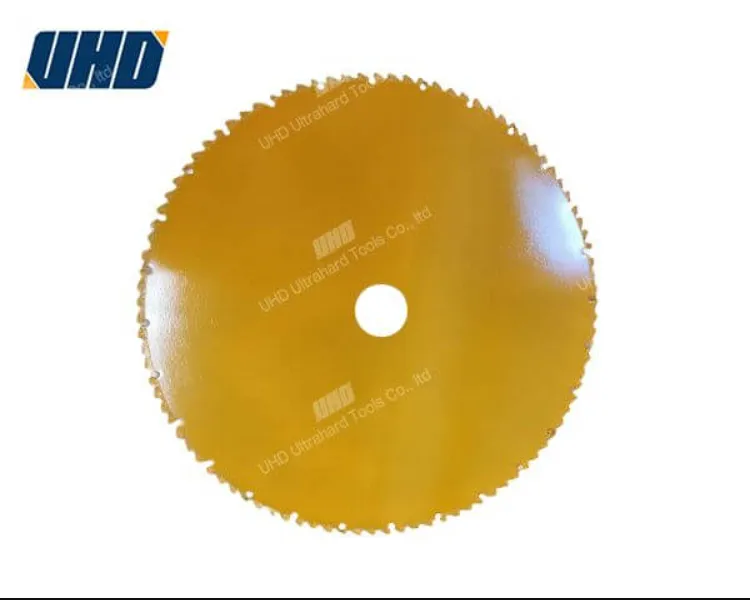
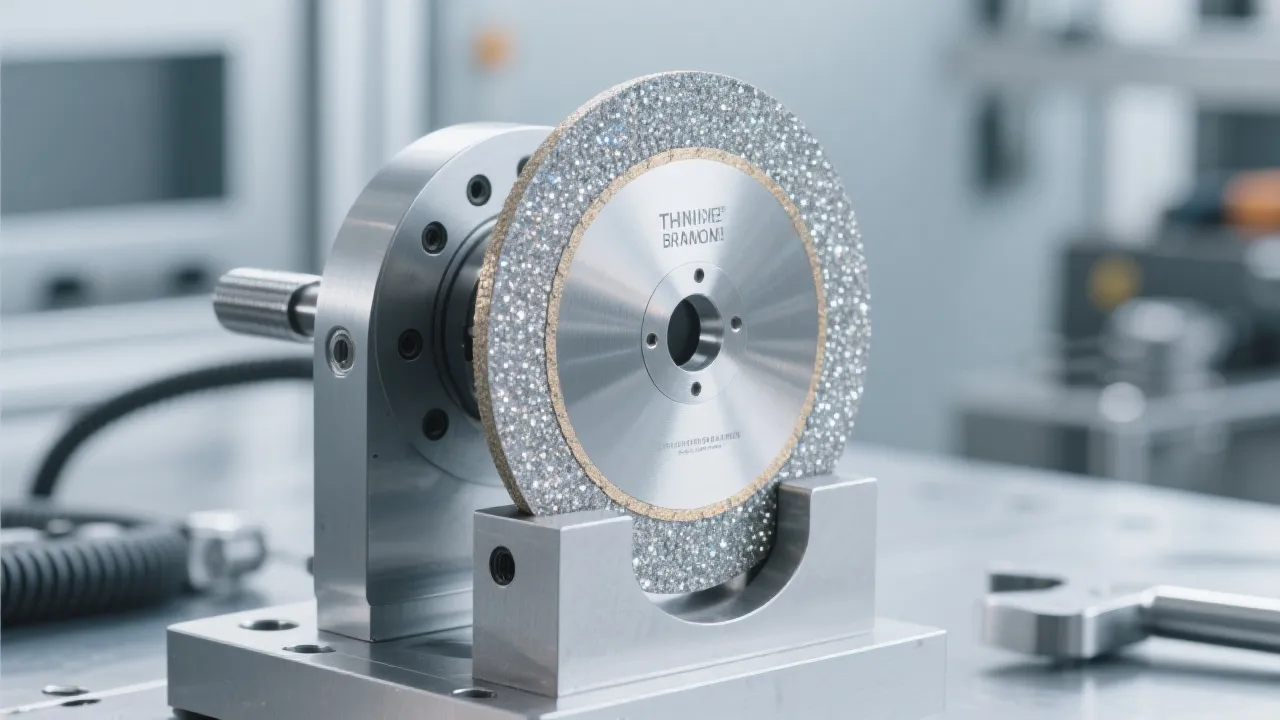
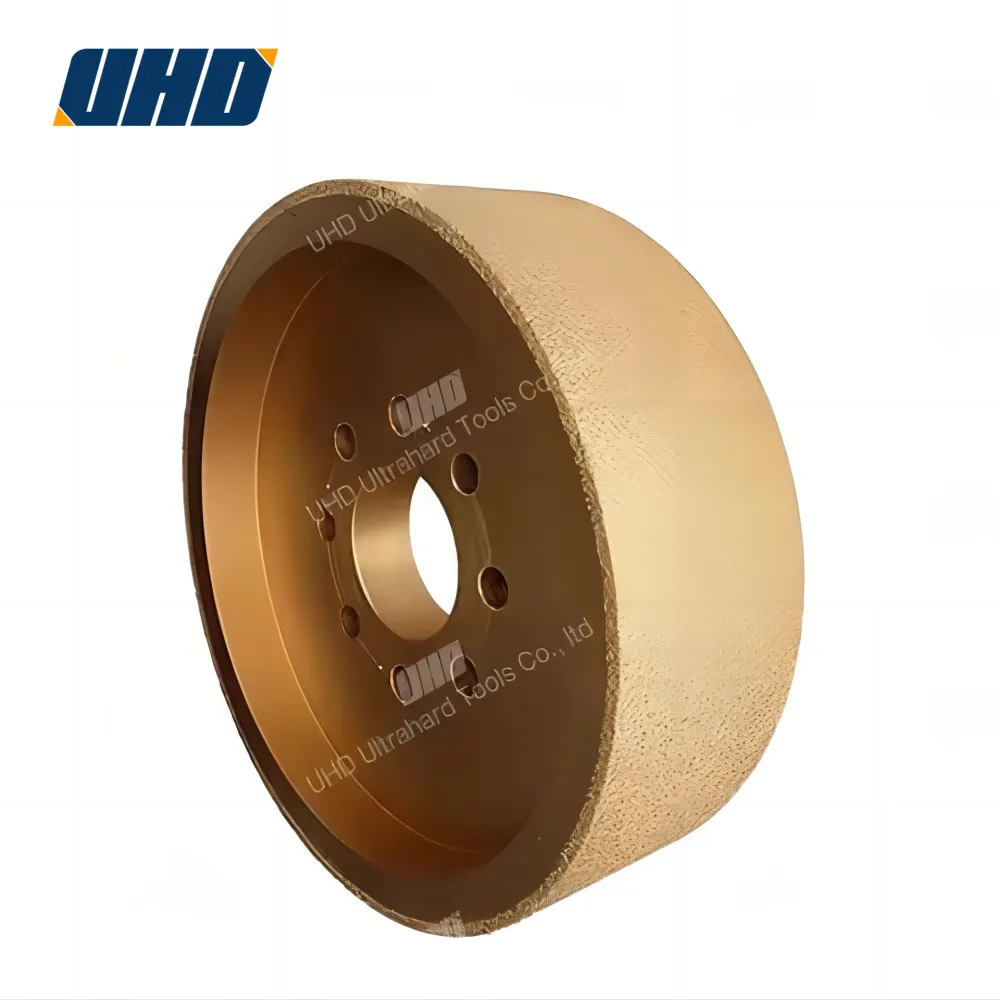
Let us compare two widely used vacuum brazed diamond blade models from UHD:
| Model |
Optimal Speed Range (RPM) |
Typical Applications |
Average Lifespan (hours) |
| UDS 600M16 |
3000–4500 |
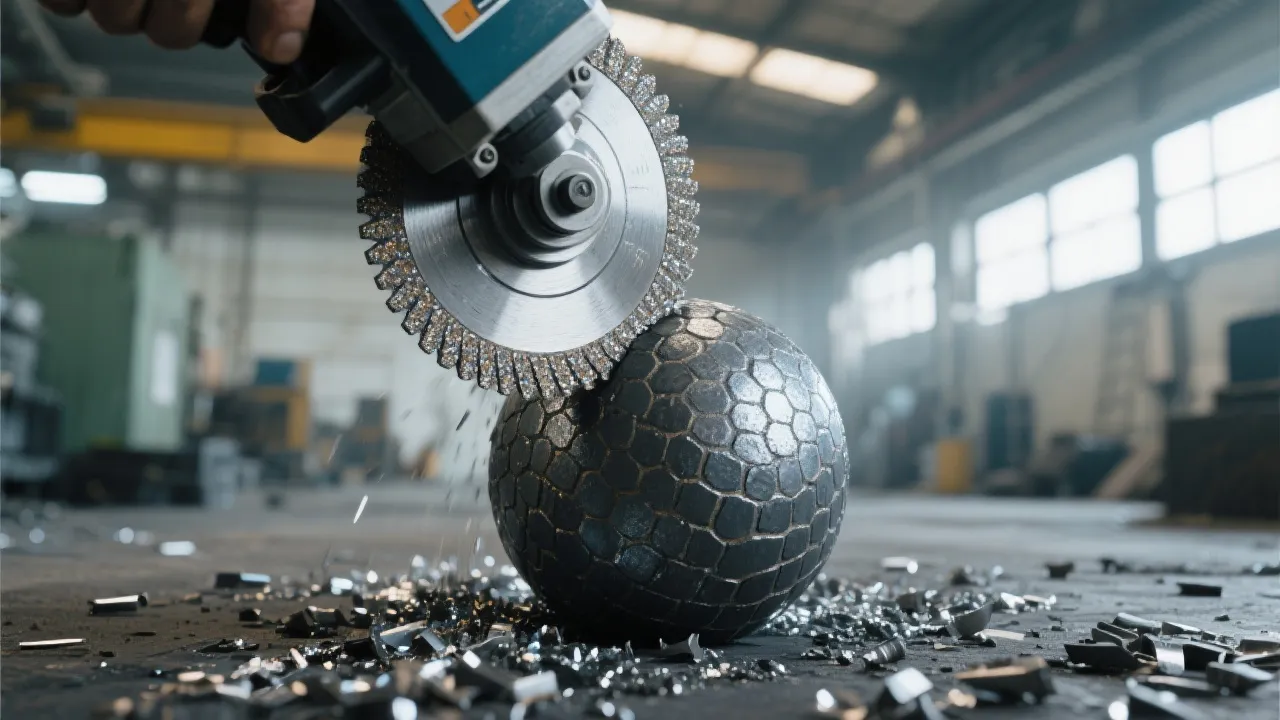
High-power automated cutting systems, hard granite, engineered stone |
Up to 280 |
| UDS 400amp 80 |
1500–3000 |
Medium-speed manual or semi-automated cutting, reinforced concrete |
Up to 180 |
Knowing your machine’s typical operating speed range will save you excessive blade replacements and optimize your cutting sessions.
Crucial Installation and Maintenance Tips to Maximize Blade Performance
You might ask, “How can correct installation enhance the blade’s lifespan beyond just the model choice?” Here are three proven strategies:
- Blade Mounting Precision: Use torque-controlled tightening to prevent uneven stress, which accelerates mechanical failure.
- Cooling Fluid Optimization: Selecting the right coolant and flow rate based on speed range can reduce thermal deformation by 20–25%.
- Vibration Monitoring: Incorporate sensors or regular inspection routines to detect abnormal vibration early, preventing catastrophic blade damage.
“Your ability to anticipate performance variables through these parameters translates directly into cost savings and safer operations.” –
Industry Expert, Dr. Laura Mitchell
Preventive Maintenance & Scheduled Replacement: Key to Consistent Productivity
A frequent pitfall is neglecting routine maintenance cycles. Based on UHD’s field data from over 200 factories:
- Blades maintained on a 100-hour operational interval with scheduled sharpening and inspection increase lifespan by up to 35%.
- Ignoring early signs like unusual noise or blade wobble can reduce lifespan by 50% and increase safety risks considerably.
Implement a documented maintenance checklist customized to your cutting schedule to avoid unexpected downtime and optimize cost-efficiency.
Looking Ahead: Future Trends in Ultra-Hard Material Blades
The evolution of vacuum brazed diamond blades continues with advances in:
- Nanostructured diamond segments improving wear resistance
- Adaptive cooling technologies integrated into blade design
- Smart condition-monitoring systems powered by IoT
Staying current with these innovations aligns your cutting tools with the next generation of industrial automation, reducing manual oversight and maximizing throughput.
Have you ever encountered unexpected downtime due to incorrect blade choice? Share your insights or reach out for tailored advice to master your cutting challenges.