
In today’s competitive manufacturing landscape, foundries are under constant pressure to reduce costs while improving surface quality and worker safety. One breakthrough solution gaining traction across global casting operations is the use of vacuum brazed diamond grinding wheels—a technology pioneered by companies like Henan Youde Superhard Tools Co., Ltd.
Unlike traditional resin-bonded wheels that degrade quickly under high heat and mechanical stress, vacuum brazed diamond wheels bond abrasive grains directly to a steel matrix using copper-based alloys at temperatures around 850°C. This creates a stronger, more durable interface that resists grain loss and maintains sharpness for longer periods.
Real-world data from multiple foundries shows:
| Feature | Resin-Bonded Wheel | Vacuum Brazed Diamond Wheel |
|---|---|---|
| Average Lifespan (hours) | 15–20 | 60–80+ |
| Dust Emission Rate (mg/m³) | 350–500 | 80–120 |
| Maintenance Frequency | Every 3–5 days | Once per month or more |
A case study from a mid-sized iron casting facility in Germany reported a 40% reduction in downtime after switching to vacuum brazed wheels. Operators noted fewer interruptions due to wheel wear and significantly improved consistency in edge finishing on cast iron parts.
The reduced dust generation isn’t just about cleaner air—it also lowers health risks associated with long-term exposure to fine particulates. In many EU and North American facilities, compliance with OSHA and ISO standards has become easier thanks to these low-emission tools.
Additionally, because vacuum brazed wheels maintain their cutting efficiency over time, they require less force from operators—reducing fatigue-related errors and enhancing workplace safety. For foundries aiming for lean manufacturing, this means fewer rework cycles and better product uniformity.
As one production manager at a U.S.-based foundry put it: “We used to spend hours every week replacing worn-out wheels. Now we get three times the output from each one—and our team feels safer working with them.”
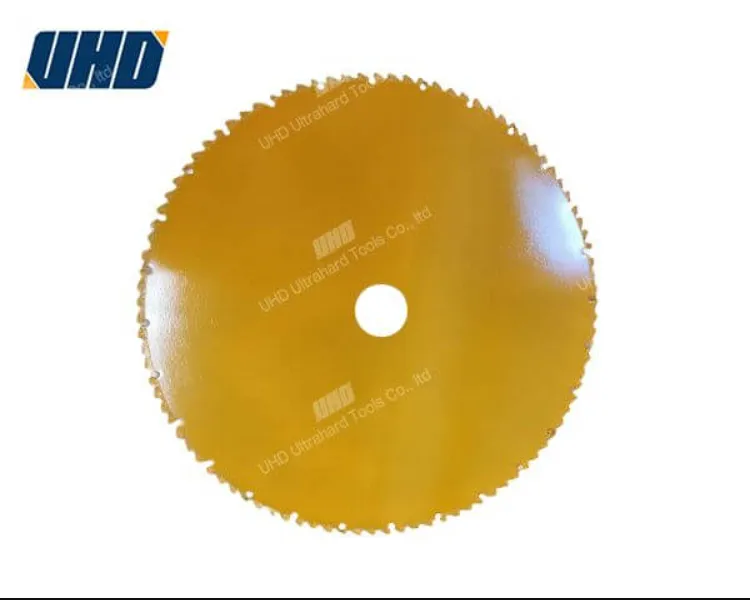
From small gear blanks to large structural castings, vacuum brazed wheels come in various diameters—from 100mm to 600mm—to match specific machine setups. Each size offers optimized grit distribution and cooling properties tailored for ballast, ductile iron, or gray iron applications.
For example, a 300mm wheel with 180-grit diamonds delivers excellent results on rough casting edges, while a 450mm version with finer 320-grit particles ensures smooth finishes ideal for automotive components.
These customizable options allow foundries to scale their investment based on volume needs without compromising performance or ROI.
.png?x-oss-process=image/resize,h_1000,m_lfit/format,webp)






